

Why Winter is the Perfect Time to Discover India’s Hidden Gems
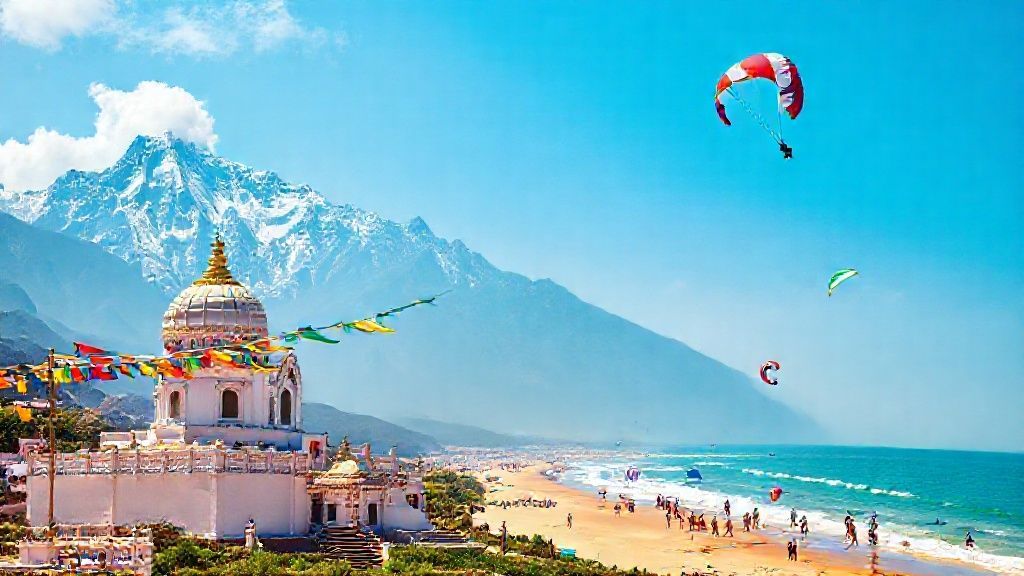
As the mercury drops and the northern plains brace for chilly winds, a magical transformation sweeps across the Indian subcontinent. Winter in India isn’t just about bundling up—it’s about discovering destinations that truly come alive when the temperature falls. From sun-drenched beaches that offer respite from the cold to snow-capped mountains that beckon adventure seekers, India’s winter landscape is as diverse as its culture.
Imagine sipping hot chai while watching the sunrise over the Himalayas, or walking barefoot on warm sands while the rest of the country reaches for their woolens. This is the unique charm of Indian winter getaways—they offer something for every type of traveler. Whether you’re seeking spiritual solace, adrenaline-pumping adventures, or simply a peaceful retreat, the winter months from November to February present the perfect window to explore India at its most comfortable and captivating.
The beauty of planning winter travel in India lies in the sheer variety available. You can experience multiple climates and landscapes within a single trip, making it possible to go from snowboarding to sunbathing in just a matter of days. This seasonal shift also brings clearer skies, better visibility, and more comfortable temperatures for sightseeing, making it the ideal time for both domestic and international travelers to explore the country’s rich heritage and natural wonders.
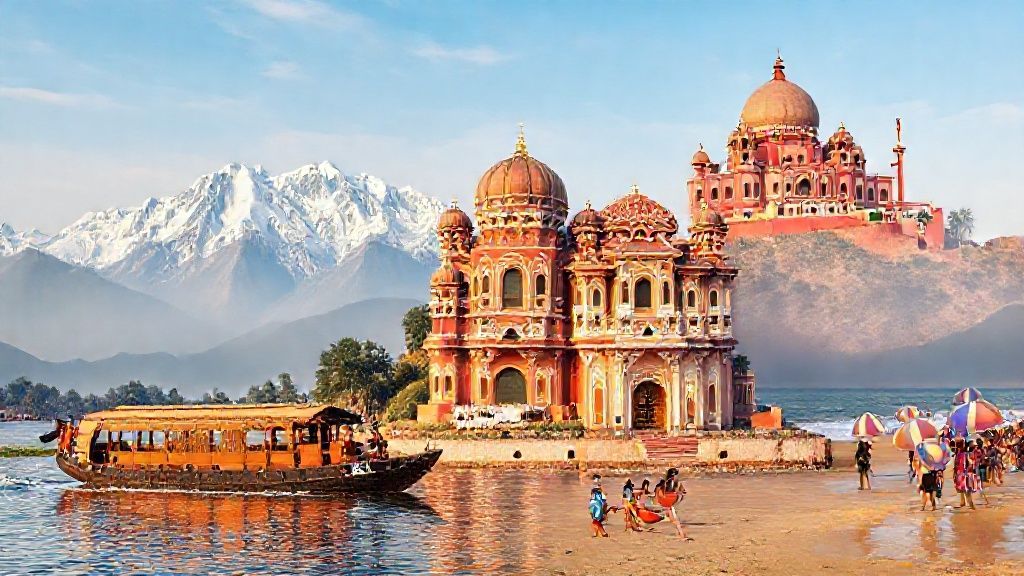
1. Goa: Where Winter Means Sun, Sand, and Celebration
When most of India is reaching for sweaters, Goa welcomes visitors with open arms and sunny beaches. The winter months transform this coastal state into a vibrant playground where temperatures hover between 20°C to 30°C—perfect for beach hopping, water sports, and exploring Portuguese heritage. Unlike the monsoon season when many establishments close, winter sees Goa in full swing, with beach shacks operating, markets bustling, and nightlife thriving.
The magic of Goa in winter extends beyond its famous beaches. This is when the state hosts its legendary Christmas and New Year celebrations, turning the entire coastline into one massive party. From candlelit dinners on the sand to firework displays that light up the Arabian Sea, the festive atmosphere is infectious. But there’s more to Goa than parties—winter is also the best time to explore its UNESCO World Heritage churches, spice plantations, and wildlife sanctuaries without the oppressive heat of summer.

The Coastal Paradise That Never Sleeps
When most of India is reaching for sweaters, Goa welcomes visitors with open arms and sunny beaches. The winter months transform this coastal state into a vibrant playground where temperatures hover between 20°C to 30°C—perfect for beach hopping, water sports, and exploring Portuguese heritage. Unlike the monsoon season when many establishments close, winter sees Goa in full swing, with beach shacks operating, markets bustling, and nightlife thriving.
The magic of Goa in winter extends beyond its famous beaches. This is when the state hosts its legendary Christmas and New Year celebrations, turning the entire coastline into one massive party. From candlelit dinners on the sand to firework displays that light up the Arabian Sea, the festive atmosphere is infectious. But there’s more to Goa than parties—winter is also the best time to explore its UNESCO World Heritage churches, spice plantations, and wildlife sanctuaries without the oppressive heat of summer.
Must-Experience Winter Activities in Goa
- Beach Hopping Extravaganza: From the popular Baga and Calangute to the serene Agonda and Palolem, each beach has its unique winter charm
- Dolphin Watching Tours: Clear winter waters offer better visibility for spotting dolphins in their natural habitat
- Spice Plantation Visits: Cooler temperatures make exploring Goa’s lush interior plantations more enjoyable
- Heritage Walks in Fontainhas: Discover Latin Quarter’s colorful Portuguese houses and art galleries
- Christmas Eve Midnight Mass: Experience traditional Goan Catholic celebrations in historic churches

According to the Goa Tourism Department, winter months see a 40% increase in tourist arrivals compared to other seasons, with December and January being peak months for both domestic and international visitors.
2. Kerala: God’s Own Country in Winter Perfection
Kerala transforms into a paradise of pleasant weather during winter, with temperatures ranging from 18°C to 30°C—ideal for exploring everything from tranquil backwaters to misty hill stations. The monsoon rains have subsided, leaving behind lush green landscapes, flowing waterfalls, and comfortable conditions for houseboat cruises through the famous backwaters of Alleppey and Kumarakom.

The Backwaters Beckon
Kerala transforms into a paradise of pleasant weather during winter, with temperatures ranging from 18°C to 30°C—ideal for exploring everything from tranquil backwaters to misty hill stations. The monsoon rains have subsided, leaving behind lush green landscapes, flowing waterfalls, and comfortable conditions for houseboat cruises through the famous backwaters of Alleppey and Kumarakom.
Winter in Kerala is particularly special for Ayurvedic treatments. The cool, dry weather is considered the best time for traditional healing therapies, as the body responds better to treatments without excessive sweating. Many renowned Ayurvedic centers offer special winter wellness packages that combine therapeutic massages, yoga, and detox programs—perfect for rejuvenation after a year of stress.
Kerala’s Winter Wonders
- Houseboat Stays: Glide through palm-fringed canals while enjoying fresh Kerala cuisine prepared onboard
- Tea Estate Tours in Munnar: Witness the misty beauty of rolling tea plantations at their scenic best
- Wildlife Spotting in Periyar: Increased animal activity during cooler months makes for better safari experiences
- Theyyam Rituals: Winter marks the beginning of Theyyam season in North Kerala—a vibrant ritual art form
- Beach Relaxation in Kovalam: Enjoy the famous lighthouse beach without the summer crowds
The winter months also bring several cultural festivals to Kerala, including the famous Christmas celebrations in Kochi and the vibrant New Year festivities across the state. Food lovers will appreciate the winter harvest of fresh spices, coconuts, and seafood that make Kerala cuisine particularly delightful during this season.
3. Manali: The Snow Queen of the Himalayas
A Winter Wonderland Awaits
For those who associate winter with snow and adventure, Manali stands as India’s premier winter destination. Nestled in the Kullu Valley of Himachal Pradesh, this hill station transforms into a magical snow kingdom from December through February. Temperatures can drop to sub-zero levels, but the stunning vistas of snow-covered peaks, frozen waterfalls, and pine forests dusted with white make it worth braving the cold.
Manali’s winter appeal goes beyond its picturesque beauty. It’s the adventure capital of North India during these months, offering everything from skiing and snowboarding to snow trekking and ice climbing. The nearby Solang Valley becomes a hub for winter sports enthusiasts, with professional instructors and equipment rentals available for beginners and experts alike. For those seeking less adrenaline-pumping activities, there are still plenty of options—from visiting ancient temples to enjoying hot springs.
Winter Adventures in Manali
- Skiing in Solang Valley: Professional slopes for all skill levels with breathtaking mountain views
- Snow Trekking to Hampta Pass: Guided treks through pristine snow landscapes
- Visit to Rohtang Pass: Experience driving through snow tunnels and playing in fresh powder (subject to road conditions)
- Hot Water Springs at Vashisht: Natural sulfur springs perfect for warming up after a day in the snow
- Old Manali Exploration: Discover charming cafes, hippie culture, and traditional architecture
Winter in Manali also means experiencing local Himachali culture at its most authentic. The colder months bring traditional festivals, warm woolen handicrafts in local markets, and the opportunity to taste seasonal specialties like siddu (steamed bread) and trout fresh from mountain streams. Accommodation ranges from luxury resorts with fireplaces to cozy homestays where you can experience local hospitality firsthand.
4. Jaipur: The Pink City’s Royal Winter Charm
Historical Splendor in Perfect Weather
Rajasthan’s capital city, Jaipur, sheds its scorching summer heat to reveal its most visitor-friendly face during winter. With daytime temperatures ranging from 10°C to 22°C, exploring the city’s magnificent forts, palaces, and bazaars becomes an absolute pleasure. The clear blue skies and gentle sunlight create perfect conditions for photography, making the Pink City’s architecture appear even more majestic.
Winter in Jaipur isn’t just about comfortable sightseeing—it’s also when the city comes alive with cultural events and festivals. From the Jaipur Literature Festival (usually in January) to various music and dance performances in heritage venues, there’s always something happening. The cooler weather also makes camel safaris in the surrounding desert areas more enjoyable, allowing visitors to experience Rajasthan’s rural landscapes without the extreme heat.
Royal Winter Experiences in Jaipur
- Amber Fort Exploration: Discover the hilltop fort’s intricate architecture without summer crowds
- Hawa Mahal Photography: Capture the Palace of Winds in perfect morning light
- City Palace Museum Visits: Explore royal artifacts and costumes in climate-controlled comfort
- Evening Sound and Light Shows: Outdoor cultural performances become more enjoyable in cooler temperatures
- Traditional Rajasthani Cuisine: Savor rich winter specialties like gatte ki sabzi and ker sangri
Winter shopping in Jaipur is particularly rewarding, with local markets offering beautiful woolen shawls, quilts, and traditional handicrafts perfect for the season. The Johari Bazaar and Bapu Bazaar become vibrant hubs of activity, where you can find everything from precious gemstones to hand-block printed textiles. For a unique winter experience, consider staying in one of Jaipur’s heritage hotels, many of which were once royal palaces and offer special winter packages with bonfires and traditional entertainment.
5. Varanasi: Spiritual Solace Along the Winter Ganges
Ancient Wisdom in Cooler Climes
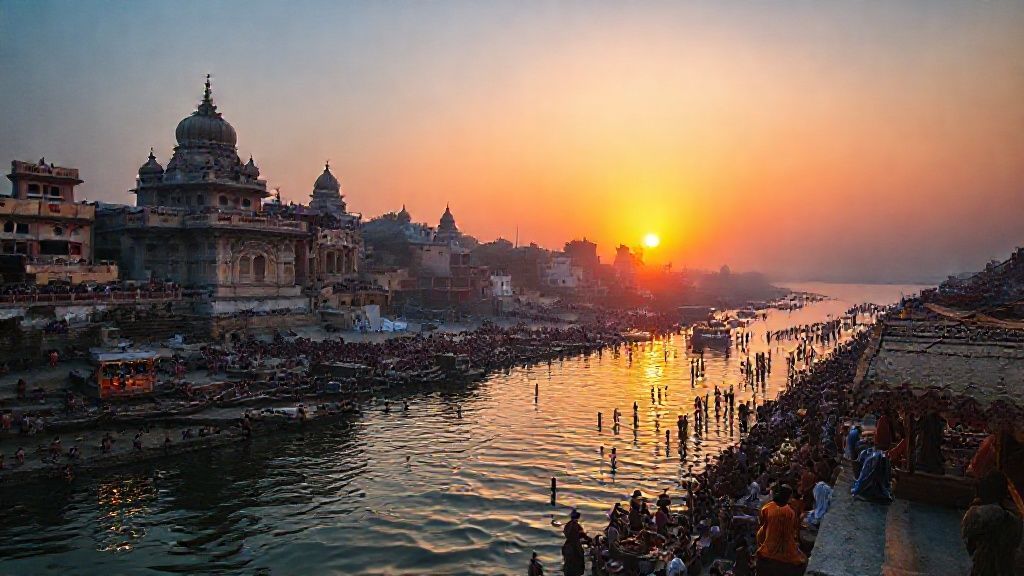
Varanasi, one of the world’s oldest continuously inhabited cities, takes on a particularly mystical quality during winter. The early morning fog rising from the Ganges, combined with the soft winter light, creates an ethereal atmosphere that enhances the spiritual experience. Temperatures range from 8°C to 20°C, making predawn boat rides along the ghats and long walks through ancient alleyways much more comfortable than during the sweltering summer months.
Winter is considered an auspicious time for spiritual activities in Varanasi, with many pilgrims choosing this season for their visits. The cooler weather allows for longer meditation sessions, more comfortable temple visits, and the ability to participate in extended rituals without discomfort. This is also when several important festivals occur, including Dev Deepawali (usually in November), when the ghats are illuminated with thousands of earthen lamps in a breathtaking display.
Winter Spiritual Journey in Varanasi
- Morning Boat Rides: Witness sunrise aartis from the river in comfortable temperatures
- Ghat Walks at Leisure: Explore the 84 ghats without summer heat exhaustion
- Winter Yoga and Meditation: Join early morning sessions in ashrams along the river
- Temple Exploration: Visit Kashi Vishwanath, Sankat Mochan, and other important temples
- Evening Ganga Aarti: Experience the mesmerizing fire ceremony at Dashashwamedh Ghat
The winter months also bring cultural performances and music festivals to Varanasi, celebrating the city’s rich artistic heritage. The famous Benarasi silk weavers are particularly active during this season, producing beautiful shawls and sarees perfect for cooler weather. Food enthusiasts will appreciate the winter-specific street foods and sweets available in the narrow lanes around the ghats, offering warmth and flavor in equal measure.
Planning Your Perfect Indian Winter Getaway
Timing Your Visit for Maximum Enjoyment
Understanding the nuances of India’s winter season can make a significant difference in your travel experience. The winter period typically spans from late October to early March, but peak conditions vary by region:
- November to February: Ideal for most destinations including Goa, Kerala, and Rajasthan
- December to January: Peak snow season in Himalayan regions like Manali
- January to February: Best for desert regions and cultural festivals
- Early Winter (Oct-Nov): Perfect for avoiding crowds while enjoying pleasant weather
Essential Packing Tips for Diverse Climates
India’s winter destinations require thoughtful packing since you might experience multiple climates:
- Layering is Key: Pack light sweaters, thermal wear, and a good jacket
- Footwear Variety: Include walking shoes, sandals for beaches, and waterproof boots for snow
- Sun Protection: Even in winter, Indian sun can be strong—pack sunscreen and hats
- Cultural Appropriateness: Modest clothing for temple visits and conservative areas
- Health Essentials: Basic medications, hand sanitizer, and reusable water bottle
Budget Considerations Across Destinations
Winter travel costs vary significantly across India’s diverse destinations:
- Peak Season Premium: December and January see highest prices, especially around holidays
- Early/Late Winter Savings: November and February often offer better deals
- Destination Variance: Himalayan regions generally cost more than southern beaches
- Advance Booking Advantage: Reserve flights and hotels 2-3 months early for best rates
- Local Transportation: Consider trains for medium distances—they’re scenic and economical
Beyond the Top 5: Honorable Winter Mentions
Hill Stations with Winter Magic
While Manali tops our list, India boasts several other hill stations that shine in winter:
- Shimla: The former summer capital of British India offers colonial charm and snow activities
- Darjeeling: Famous for tea gardens and stunning views of Kanchenjunga peak
- Ooty: South India’s premier hill station with botanical gardens and toy train rides
- Gulmarg: Kashmir’s skiing paradise with some of India’s best powder snow
- Mount Abu: Rajasthan’s only hill station, perfect for winter sun with cool nights
Beach Alternatives to Goa
For those seeking coastal warmth with different vibes:
- Andaman Islands: Pristine beaches, water sports, and historical sites
- Pondicherry: French colonial charm combined with spiritual communities
- Gokarna: Quieter alternative to Goa with beautiful beaches and temples
- Lakshadweep: Remote island paradise with coral reefs and marine life
- Konkan Coast: Scenic coastline with forts, waterfalls, and local cuisine
Making Memories That Last Beyond the Season
India’s winter getaways offer more than just temporary escape from the cold—they provide experiences that linger in memory long after you’ve returned home. Whether it’s the taste of fresh seafood on a Goan beach, the spiritual awakening along the Ganges, the thrill of skiing down Himalayan slopes, or the royal treatment in Rajasthan’s palaces, each destination offers unique winter magic.
The key to a successful Indian winter getaway lies in matching your interests with the right destination and timing. Adventure seekers will find their paradise in the mountains, culture enthusiasts in historical cities, relaxation seekers on southern beaches, and spiritual travelers in ancient holy sites. What unites all these experiences is the perfect weather conditions that make exploration comfortable and enjoyable.
As you plan your winter escape, remember that India’s diversity means you can craft an itinerary that combines multiple experiences. Consider starting with mountain adventures, moving to cultural exploration, and ending with beach relaxation—or create your own perfect sequence. The winter months provide the flexibility to experience India’s varied landscapes without weather extremes limiting your options.

Ultimately, the best Indian winter getaway is one that speaks to your soul while offering comfort and joy. Whether you choose one destination or combine several, you’ll discover that winter reveals India in a special light—softer, clearer, and more inviting than any other season. So pack your bags, embrace the diversity, and get ready to create winter memories that will warm your heart for years to come.