

Discover India’s Unforgettable Travel Gems for 2025
As we approach 2025, India continues to captivate travelers with its extraordinary diversity, from snow-capped Himalayan peaks to sun-kissed tropical beaches, ancient spiritual centers to vibrant modern cities. This comprehensive guide showcases the country’s most remarkable destinations that have earned recognition from travel experts and award committees worldwide. Whether you’re seeking adventure, relaxation, cultural immersion, or spiritual awakening, India offers experiences that will transform your perspective and create memories to last a lifetime.
The beauty of traveling through India lies in its ability to surprise even the most seasoned explorers. Each region presents a unique tapestry of landscapes, traditions, and flavors that reflect the country’s rich heritage and dynamic present. From the backwaters of Kerala to the deserts of Rajasthan, from the tea plantations of Darjeeling to the beaches of Goa, India’s geographical and cultural diversity is unparalleled.
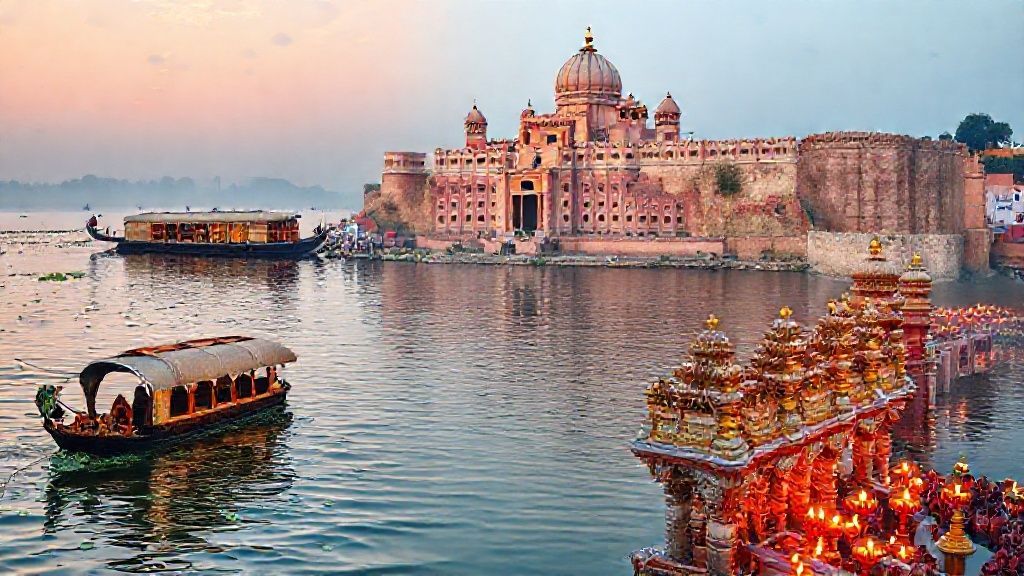
Kerala: God’s Own Country Beckons
Kerala consistently ranks among India’s most sought-after destinations, and for good reason. This tropical paradise on India’s southwestern coast offers a perfect blend of natural beauty, cultural richness, and wellness experiences that have earned it numerous international travel awards.
The Enchanting Backwaters Experience
No visit to Kerala is complete without experiencing its famous backwaters. These interconnected canals, rivers, lakes, and inlets create a unique ecosystem that supports both wildlife and traditional communities. The best way to explore this magical landscape is aboard a traditional houseboat, locally known as a “kettuvallam.” These floating homes provide an intimate glimpse into rural Kerala life while offering modern comforts.
As you glide through the tranquil waters, you’ll witness fishermen casting their nets, women washing clothes by the water’s edge, and children playing along the banks. The backwaters are particularly breathtaking during sunrise and sunset, when the sky reflects in the still waters creating a painterly scene. For those seeking a more active experience, kayaking through narrower canals provides access to areas inaccessible to larger boats.

Ayurvedic Wellness Retreats
Kerala is renowned as the birthplace of Ayurveda, the ancient Indian system of medicine and wellness. Numerous award-winning Ayurvedic centers and resorts offer authentic treatments and programs designed to restore balance and promote holistic health. From rejuvenating massages with medicated oils to specialized detoxification therapies, these wellness experiences combine traditional wisdom with modern comfort.
Many visitors combine their backwater exploration with a stay at an Ayurvedic resort, creating a perfect balance of relaxation and cultural immersion. The monsoon season, from June to August, is considered particularly beneficial for Ayurvedic treatments, as the moist atmosphere helps the body absorb therapeutic oils more effectively.
Goa: Where Sun, Sand, and Culture Meet
Goa’s reputation as India’s premier beach destination is well-deserved, but this former Portuguese colony offers much more than just beautiful coastline. Its unique blend of Indian and European influences creates a cultural experience unlike anywhere else in the country.
Diverse Beach Experiences
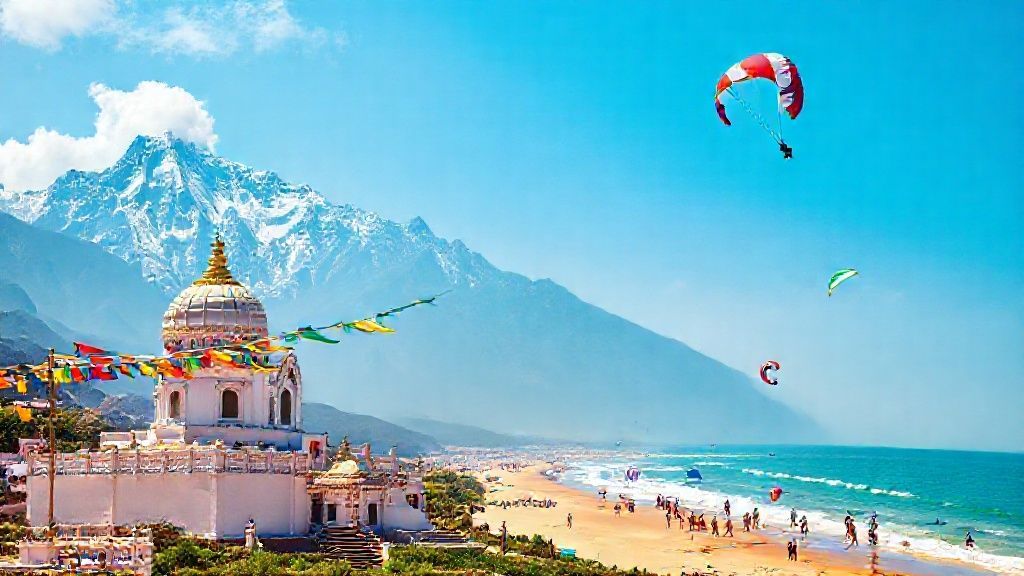
Goa’s coastline stretches for over 100 kilometers, offering beaches to suit every preference. The northern beaches like Calangute and Baga buzz with activity, featuring water sports, beach shacks, and vibrant nightlife. For a more tranquil experience, head to the southern beaches like Palolem and Agonda, where golden sands meet swaying palms in a more relaxed atmosphere.
What makes Goa’s beaches particularly special is their accessibility and infrastructure. Well-maintained beach roads, clean facilities, and numerous dining options make beach-hopping a pleasure. Many beaches have received Blue Flag certification, recognizing their environmental standards and safety measures.

Heritage and Architecture
Beyond the beaches, Goa’s Portuguese heritage is evident in its architecture, particularly in Old Goa and Fontainhas, the Latin Quarter of Panaji. The Basilica of Bom Jesus, a UNESCO World Heritage Site, houses the remains of St. Francis Xavier and showcases exquisite Baroque architecture. The Se Cathedral, one of Asia’s largest churches, stands as a testament to Goa’s colonial past.
Exploring Goa’s heritage sites provides a fascinating contrast to its beach culture. The best time to visit is between November and February, when the weather is pleasant and numerous festivals, including the famous Christmas and Carnival celebrations, bring the state to life.
Rajasthan: The Land of Kings and Forts
Rajasthan embodies the romantic image of India that captures many travelers’ imaginations. With its majestic forts, opulent palaces, and vibrant culture, this northwestern state offers an experience steeped in royal heritage and desert beauty.

Jaipur: The Pink City’s Royal Splendor
As the capital of Rajasthan and part of the Golden Triangle tourist circuit, Jaipur deserves special attention. The city’s nickname comes from the distinctive pink color of its buildings, originally painted to welcome the Prince of Wales in 1876. Jaipur’s architectural marvels include the Hawa Mahal (Palace of Winds), Amber Fort, and City Palace, each showcasing different aspects of Rajput and Mughal architecture.
What sets Jaipur apart is its living heritage. The city isn’t just a museum of past glories but a vibrant urban center where traditional crafts, cuisine, and customs thrive alongside modern development. The local markets, particularly Johari Bazaar for jewelry and Bapu Bazaar for textiles, offer authentic shopping experiences that reflect Rajasthan’s artistic traditions.
Desert Experiences in Jaisalmer
For a truly magical experience, venture to Jaisalmer in the heart of the Thar Desert. The golden sandstone fort seems to rise from the desert sands, creating an unforgettable silhouette against the sky. Camel safaris into the dunes provide opportunities to witness spectacular sunsets and experience traditional desert culture.
The desert camps around Jaisalmer have evolved significantly, now offering comfortable accommodations while maintaining the authentic atmosphere of desert living. Cultural performances featuring local music and dance add to the enchantment of the desert experience.
Himalayan Hill Stations: Escape to the Mountains
India’s Himalayan region offers some of the world’s most spectacular mountain scenery and refreshing hill stations that provide respite from the plains’ heat. These destinations combine natural beauty with colonial charm and adventure opportunities.
Manali: Adventure and Serenity Combined
Nestled in the Kullu Valley of Himachal Pradesh, Manali has evolved from a quiet hill station to a hub for adventure tourism while retaining its natural beauty. The town serves as a gateway to numerous trekking routes, including those leading to high-altitude lakes and passes. River rafting on the Beas River, paragliding over the valley, and skiing in nearby Solang Valley attract adventure enthusiasts year-round.
Beyond adventure sports, Manali offers spiritual experiences at ancient temples like Hadimba Devi Temple and opportunities to explore traditional Himalayan villages. The nearby Rohtang Pass provides access to Lahaul and Spiti valleys, regions with stark landscapes and unique Buddhist cultures.
Darjeeling: Tea Gardens and Mountain Views
Famous for its tea plantations and stunning views of Kanchenjunga, the world’s third-highest peak, Darjeeling offers a different Himalayan experience. The Darjeeling Himalayan Railway, a UNESCO World Heritage Site, provides a charming way to explore the region’s tea gardens and mountain scenery.
Visiting a tea estate to learn about tea processing and tasting some of the world’s finest teas is a highlight for many visitors. The town’s colonial architecture, including the Windamere Hotel and numerous churches, adds to its nostalgic charm. Sunrise views from Tiger Hill, when the first rays illuminate the Himalayan peaks, create memories that last a lifetime.
Varanasi: Spiritual Heart of India
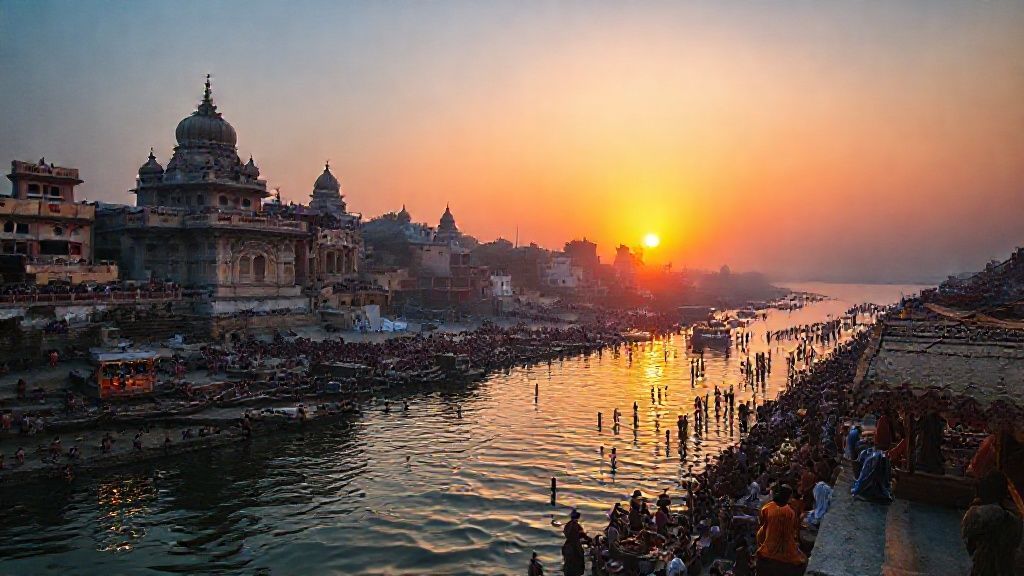
Varanasi, one of the world’s oldest continuously inhabited cities, represents India’s spiritual essence. Situated on the banks of the sacred Ganges River, this city offers experiences that transcend ordinary tourism and touch the soul.
The Ganga Aarti Ceremony
Witnessing the Ganga Aarti at Dashashwamedh Ghat is perhaps Varanasi’s most iconic experience. This elaborate ritual of fire, music, and chanting takes place every evening as priests perform synchronized movements with large brass lamps. The ceremony creates a powerful atmosphere of devotion that affects visitors regardless of their religious background.
For a different perspective, many visitors take boat rides on the Ganges during the early morning hours. Watching the city wake up, with bathers performing their rituals and the sun rising over the river, provides a profound sense of peace and continuity with ancient traditions.
Exploring the Lanes and Temples
Varanasi’s labyrinthine lanes, too narrow for vehicles, invite exploration on foot. These winding passages reveal hidden temples, small shops selling religious items, and glimpses of daily life that have changed little over centuries. The Kashi Vishwanath Temple, dedicated to Shiva, is one of Hinduism’s most important pilgrimage sites.
Beyond the main tourist areas, Varanasi offers opportunities to learn about silk weaving, classical music, and yoga. The city’s cultural richness extends beyond its religious significance, making it a destination that rewards extended stays and deeper exploration.
Emerging Destinations for 2025
While established destinations continue to delight visitors, several emerging locations are gaining recognition for their unique offerings and sustainable tourism practices.
Ziro Valley: Arunachal Pradesh’s Hidden Gem
Located in Arunachal Pradesh, Ziro Valley is gaining attention for its stunning landscapes and unique Apatani tribal culture. The valley’s rice fields, surrounded by pine-covered hills, create a picturesque setting that changes with the seasons. The Apatani people, known for their sustainable agricultural practices and facial tattoos, offer cultural experiences far from mainstream tourism.
The Ziro Music Festival, held annually, has put this remote valley on the map for music lovers. This outdoor festival features independent artists from across India against the backdrop of Ziro’s natural beauty, creating an unforgettable experience that combines music, nature, and culture.
Chettinad: Tamil Nadu’s Architectural Treasure
The Chettinad region in Tamil Nadu is emerging as a destination for those interested in architecture, cuisine, and traditional crafts. The area is famous for its magnificent mansions built by the Chettiar community, wealthy traders who incorporated elements from their travels across Southeast Asia into their homes.
Many of these mansions have been converted into heritage hotels, allowing visitors to experience their grandeur firsthand. Chettinad cuisine, known for its sophisticated use of spices and unique preparation methods, offers culinary adventures that complement the architectural exploration.
Planning Your 2025 India Adventure
Successful travel in India requires thoughtful planning to make the most of your experience while navigating the country’s diversity and scale.
Best Times to Visit Different Regions
India’s size means that optimal travel times vary significantly by region. The winter months (October to March) are generally pleasant across most of the country, making this the peak tourist season. However, this period sees higher prices and larger crowds at popular destinations.
For Himalayan regions, summer (April to June) offers the best weather for trekking and mountain views, while winter provides opportunities for snow sports in certain areas. The monsoon season (June to September) transforms the landscape with lush greenery and can be an excellent time to visit desert regions or hill stations, though beach destinations are less ideal during this period.
Sustainable Travel Practices
As tourism grows in India, responsible travel practices become increasingly important. Choosing eco-friendly accommodations, supporting local businesses, and respecting cultural norms contribute to sustainable tourism. Many destinations now offer homestays and community-based tourism initiatives that provide authentic experiences while benefiting local communities.
When visiting religious sites or rural areas, dressing modestly and following local customs shows respect for the culture. Being mindful of environmental impact, particularly in fragile ecosystems like the Himalayas or coastal areas, ensures that these destinations remain beautiful for future visitors.
Transformative Travel Experiences Await
India’s travel landscape for 2025 offers something for every type of traveler, from luxury seekers to backpackers, spiritual pilgrims to adventure enthusiasts. The country’s ability to simultaneously preserve ancient traditions while embracing modernity creates travel experiences that are both timeless and contemporary.
The destinations highlighted in this guide represent the best of India’s offerings, each with its unique character and appeal. Whether you’re drawn to Kerala’s tranquil backwaters, Rajasthan’s royal heritage, or the spiritual intensity of Varanasi, India promises journeys that will expand your horizons and create lasting memories. As travel continues to evolve, India remains a destination that rewards curiosity, openness, and a willingness to be transformed by the experience.
For the most current travel information and safety guidelines, always check official sources like the Incredible India official tourism website before planning your trip. The country’s diversity means that there’s always something new to discover, making each visit unique and each return trip eagerly anticipated.