

India’s Travel Renaissance: Why 2025 is Your Year to Explore
There’s something magical happening across India’s diverse landscapes, and 2025 promises to be the year when domestic travel reaches new heights of discovery and delight. As Indian travellers increasingly turn inward to explore their own backyard, they’re uncovering hidden gems and reimagining familiar destinations in ways that would make even the most seasoned globetrotter envious.
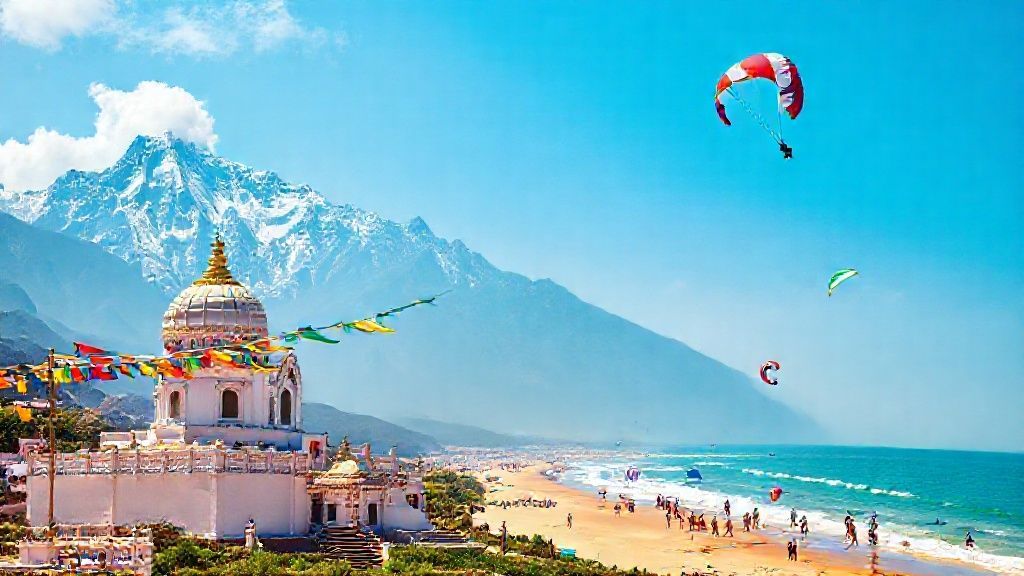
From the snow-capped peaks of the Himalayas to the sun-kissed beaches of the south, India offers an incredible tapestry of experiences that rival any international destination. The beauty lies not just in the destinations themselves, but in the journey of rediscovery – seeing familiar places through fresh eyes and finding new meaning in ancient traditions.
What makes 2025 particularly special is the perfect storm of improved infrastructure, renewed focus on sustainable tourism, and a growing appreciation for India’s cultural richness. Whether you’re planning a family vacation, a solo adventure, or a romantic getaway, this comprehensive guide will help you navigate the best places to visit in India 2025 and create memories that will last a lifetime.
Himalayan Havens: Beyond the Usual Hill Stations
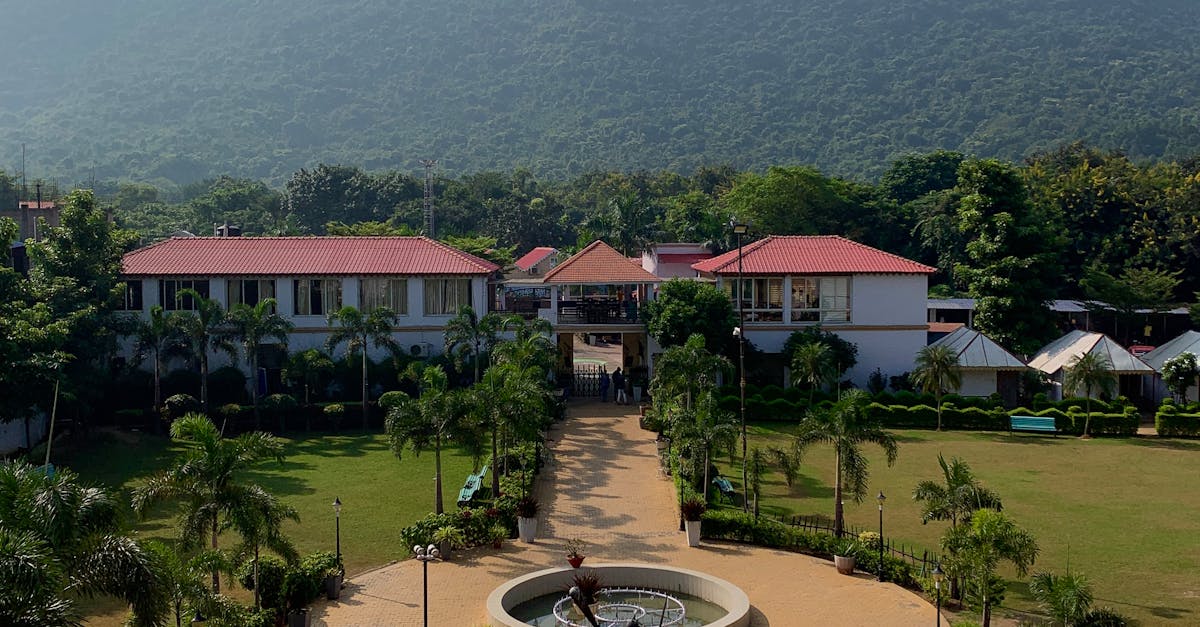
When most Indians think of hill stations, names like Shimla, Manali, and Darjeeling immediately come to mind. While these classics remain wonderful, 2025 invites you to explore the lesser-known treasures of the Himalayas that offer equally stunning scenery with fewer crowds and more authentic experiences.

Spiti Valley: The Cold Desert Mountain Wonder
Spiti Valley, often called “Little Tibet,” represents one of the most unique destinations India 2025 has to offer. This high-altitude desert valley in Himachal Pradesh provides an otherworldly experience that feels like stepping onto another planet. The journey itself is part of the adventure, with winding roads that reveal breathtaking vistas at every turn.
Key experiences include visiting the 1,000-year-old Key Monastery, witnessing the stunning Chandratal Lake (Moon Lake), and exploring the fossil-rich villages that tell stories of ancient sea beds. The best time to visit is from May to October, with the summer months offering pleasant weather for trekking and exploration.
Tawang: Where Spirituality Meets Scenic Splendor
Nestled in Arunachal Pradesh, Tawang offers a perfect blend of spiritual significance and natural beauty. Home to India’s largest monastery and the second largest in the world, Tawang Monastery, this destination provides a deeply cultural experience amidst stunning Himalayan landscapes.
The journey to Tawang through Sela Pass, which remains snow-covered for much of the year, is an experience in itself. The local Monpa culture, traditional handicrafts, and warm hospitality make Tawang one of the top India experiences 2025 for those seeking both adventure and cultural immersion.
Coastal Charms: India’s Beach Paradises Reimagined
India’s coastline stretches over 7,500 kilometers, offering an incredible diversity of beach experiences. While Goa remains the perennial favorite, 2025 presents opportunities to explore coastal destinations that combine natural beauty with sustainable tourism practices.
Andaman Islands: Beyond Port Blair and Havelock
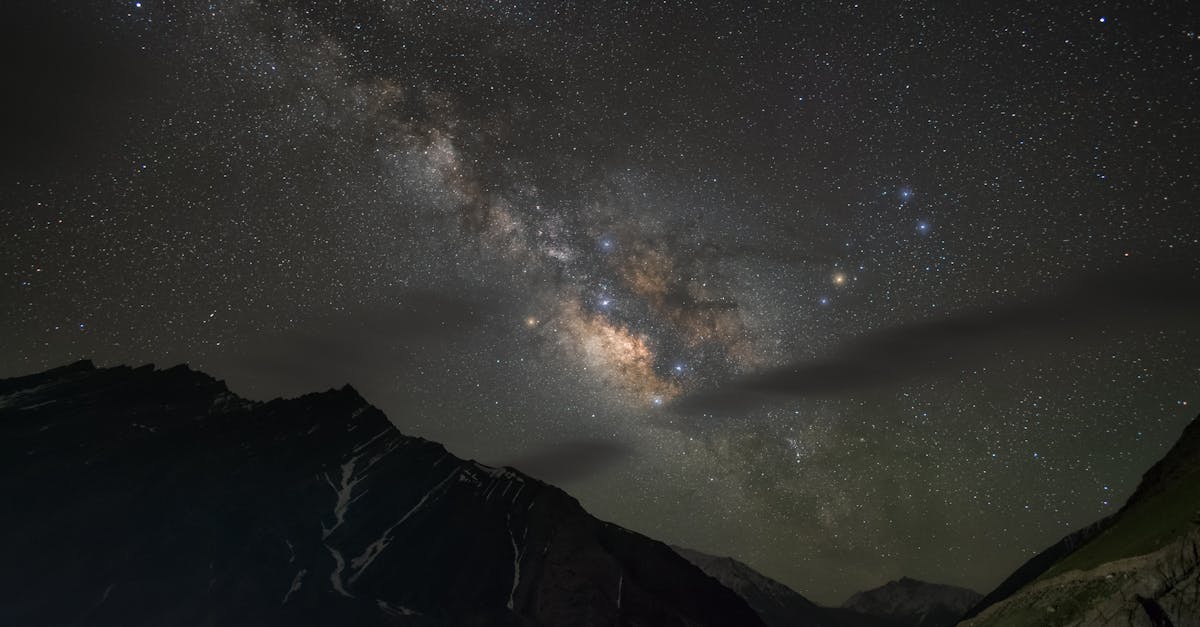
The Andaman Islands continue to evolve as a premier beach destination, with 2025 bringing new focus to lesser-explored islands like Neil Island and Long Island. These islands offer pristine beaches, incredible marine life, and opportunities for sustainable tourism that benefit local communities.
Neil Island’s natural bridge formation and Bharatpur Beach provide stunning natural attractions, while Long Island offers complete seclusion and opportunities for kayaking through mangrove forests. The improved connectivity and accommodation options make these islands more accessible than ever for Indian travellers seeking unique beach experiences.
Gokarna: The Spiritual Beach Alternative
For those who find Goa too commercialized, Gokarna in Karnataka offers a perfect blend of spiritual significance and beach relaxation. The town is famous for its ancient Mahabaleshwar Temple, while the surrounding beaches like Om Beach, Kudle Beach, and Half Moon Beach provide tranquil settings for relaxation.
Gokarna represents one of the best places to visit in India 2025 for travellers seeking a more authentic, less crowded beach experience. The town maintains its traditional charm while offering modern amenities, making it ideal for both spiritual seekers and beach lovers.
Cultural Capitals: Ancient Cities with Modern Appeal
India’s historical cities are undergoing remarkable transformations, blending ancient heritage with contemporary experiences that appeal to modern Indian travellers. These destinations offer deep cultural immersion while providing the comforts and conveniences that today’s travellers expect.

Varanasi: The Eternal City’s New Renaissance
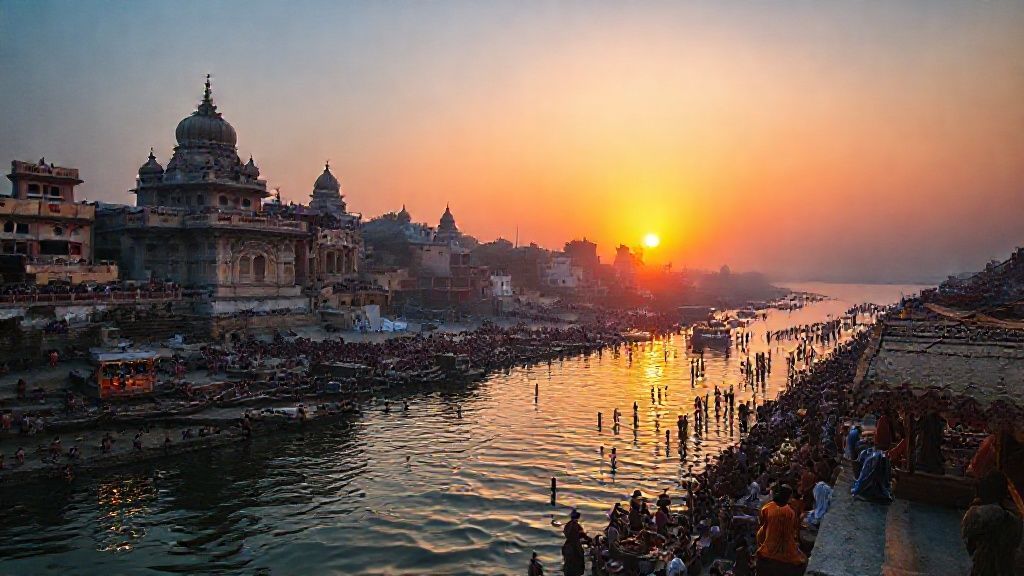
Varanasi, one of the world’s oldest continuously inhabited cities, is experiencing a cultural renaissance that makes it more relevant than ever for modern Indian travellers. Beyond the traditional ghat experiences, the city now offers curated cultural walks, classical music performances in heritage havelis, and culinary tours that explore Banarasi cuisine.
The recently developed cultural corridor along the ghats has enhanced the visitor experience while preserving the city’s spiritual essence. For Indian travellers seeking spiritual connection and cultural depth, Varanasi remains an essential destination that continues to evolve while honoring its ancient traditions.
Jaipur: The Pink City’s Contemporary Makeover
Jaipur has successfully transformed from a historical destination to a vibrant cultural hub that blends Rajasthan’s royal heritage with contemporary art, design, and cuisine. The city’s inclusion in UNESCO’s World Heritage list has spurred conservation efforts while encouraging innovative cultural experiences.
New attractions include the recently restored Amer Fort light and sound show, the burgeoning contemporary art scene in the old city, and innovative dining experiences in heritage properties. Jaipur represents how historical cities can reinvent themselves while preserving their cultural identity, making it one of the top India experiences 2025 for culturally curious travellers.
Kerala’s Backwaters: Sustainable Tourism at Its Best
Kerala continues to lead India’s sustainable tourism movement, with 2025 bringing new initiatives that enhance the visitor experience while protecting the region’s delicate ecosystem. The backwaters, in particular, offer unique experiences that combine natural beauty with cultural authenticity.
Responsible Houseboat Experiences
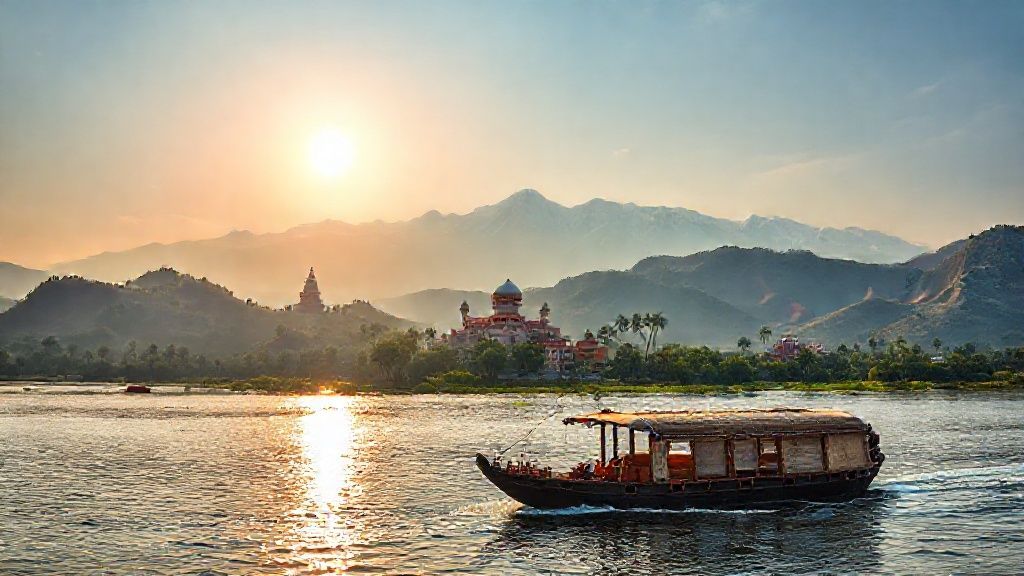
The traditional kettuvallams (houseboats) of Kerala are evolving to meet modern sustainability standards while preserving their cultural authenticity. New regulations ensure that houseboat operations minimize environmental impact, with many operators adopting solar power, waste management systems, and locally sourced materials.
Beyond the popular Alleppey backwaters, travellers can explore less-crowded alternatives like Kumarakom and Kuttanad, which offer equally stunning scenery with more intimate experiences. These destinations provide opportunities to witness traditional village life, participate in local activities, and enjoy authentic Keralan cuisine prepared with locally sourced ingredients.
Ayurvedic Wellness Retreats
Kerala’s reputation as India’s wellness capital continues to grow, with 2025 seeing the emergence of more authentic Ayurvedic retreats that combine traditional healing with modern comfort. These retreats offer personalized wellness programs, meditation sessions, yoga practices, and therapeutic treatments administered by certified practitioners.
The focus has shifted from luxury spa experiences to genuine wellness journeys that address specific health concerns while promoting overall well-being. This makes Kerala an ideal destination for Indian travellers seeking meaningful wellness experiences that combine ancient wisdom with modern understanding.
Desert Dreams: Rajasthan Beyond the Palaces
While Rajasthan’s palaces and forts rightfully draw millions of visitors, 2025 invites travellers to explore the state’s desert regions that offer unique cultural experiences and stunning natural landscapes.
Jaisalmer: The Golden City’s Evolving Narrative
Jaisalmer continues to captivate visitors with its golden fort and intricate havelis, but the surrounding Thar Desert offers experiences that go beyond the typical tourist trail. Camel safaris now include opportunities to visit remote villages, participate in traditional crafts workshops, and enjoy authentic desert cuisine under the stars.
The annual Desert Festival has evolved to include more community participation and sustainable practices, making it a more authentic cultural experience. For Indian travellers interested in photography, cultural documentation, or simply experiencing the magic of the desert, Jaisalmer remains one of the unique destinations India 2025 has to offer.
Bikaner: The Undiscovered Desert Gem
Often overshadowed by its more famous neighbors, Bikaner offers a more intimate desert experience with equally impressive architecture and rich cultural heritage. The Junagarh Fort, with its exquisite palaces and temples, represents some of Rajasthan’s finest architecture without the crowds of Jaipur or Udaipur.
The nearby Karni Mata Temple (famous for its rat population) and the Camel Breeding Farm provide unique experiences that can’t be found elsewhere. Bikaner’s emerging food scene, particularly its traditional sweets and snacks, adds another layer to the visitor experience.
Northeast Explorations: India’s Final Frontier
The northeastern states represent some of India’s most biodiverse and culturally rich regions, yet they remain relatively unexplored by domestic tourists. Improved infrastructure and growing awareness make 2025 the perfect time to discover these hidden gems.
Meghalaya: The Abode of Clouds
Meghalaya’s living root bridges, pristine waterfalls, and unique matrilineal society make it one of the most fascinating destinations in India. The state’s focus on community-based tourism ensures that visitors have authentic experiences while supporting local economies.
Key attractions include the double-decker living root bridge in Nongriat, the crystal-clear waters of Dawki River, and the ancient forests of Mawphlang. The state’s capital, Shillong, offers a vibrant cultural scene with live music, local cuisine, and a unique blend of tribal and colonial influences.
Nagaland: Cultural Immersion at Its Purest
For travellers seeking deep cultural experiences, Nagaland offers opportunities to engage with indigenous tribes and witness traditions that have remained largely unchanged for centuries. The Hornbill Festival, while popular, represents just one aspect of Naga culture.
Beyond the festivals, visitors can explore remote villages, learn about traditional crafts and agriculture, and experience the warm hospitality of Naga communities. The state’s dramatic landscapes, from rolling hills to dense forests, provide a stunning backdrop for cultural exploration.
Practical Travel Wisdom for 2025
Navigating India’s diverse destinations requires careful planning and consideration of practical factors that can enhance your travel experience. Here are key insights for making the most of your Indian travels in 2025.
Seasonal Considerations
Understanding India’s diverse climate patterns is crucial for planning successful trips. The winter months (October to March) remain ideal for most destinations, particularly Rajasthan, Kerala, and southern India. However, summer months (April to June) offer unique opportunities in hill stations and the northeastern states.
The monsoon season (July to September), while challenging for some regions, provides spectacular experiences in destinations like Kerala, where the rains enhance the beauty of the backwaters and waterfalls. Similarly, the northeastern states are at their lushest during the monsoon, though travel may require more flexibility.
Sustainable Travel Practices
As responsible tourism gains importance, Indian travellers are increasingly seeking ways to minimize their environmental impact while maximizing their positive contribution to local communities. Simple practices like carrying reusable water bottles, supporting local businesses, and respecting cultural norms can significantly enhance the sustainability of your travels.
Many destinations now offer opportunities for voluntourism, where travellers can contribute to conservation efforts or community development projects. These experiences not only benefit local communities but also provide deeper, more meaningful travel experiences.
Technology and Connectivity
India’s digital infrastructure continues to improve, making travel more convenient than ever. Digital payment systems are widely accepted, even in remote areas, reducing the need to carry large amounts of cash. Travel apps provide real-time information about transportation, accommodation, and local attractions.
However, it’s still wise to have backup plans for connectivity in remote areas and to carry essential documents in physical form. The balance between digital convenience and traditional preparedness remains key to smooth travel experiences across India’s diverse landscapes.
Embracing India’s Travel Transformation
As we look toward 2025, India’s travel landscape presents unprecedented opportunities for discovery, connection, and personal growth. The combination of improved infrastructure, growing environmental awareness, and renewed appreciation for cultural heritage creates the perfect conditions for meaningful travel experiences.
Whether you’re drawn to the spiritual depth of Varanasi, the natural beauty of Kerala’s backwaters, the cultural richness of Rajasthan, or the adventurous spirit of the Himalayas, India offers experiences that cater to every type of traveller. The key lies in approaching travel with curiosity, respect, and openness to new experiences.
As Indian travellers continue to explore their own country, they’re not just discovering new destinations—they’re rediscovering their own heritage, connecting with diverse cultures, and contributing to the sustainable development of local communities. This represents the true essence of travel in modern India: a journey of discovery that enriches both the traveller and the destinations they visit.
The best places to visit in India 2025 aren’t just about geographical locations—they’re about experiences that transform perspectives, create lasting memories, and deepen our connection to this incredible country. As you plan your travels for the coming year, remember that the most rewarding journeys often lie not in distant lands, but in the unexplored corners of our own backyard.