

Why Winter is India’s Best-Kept Travel Secret
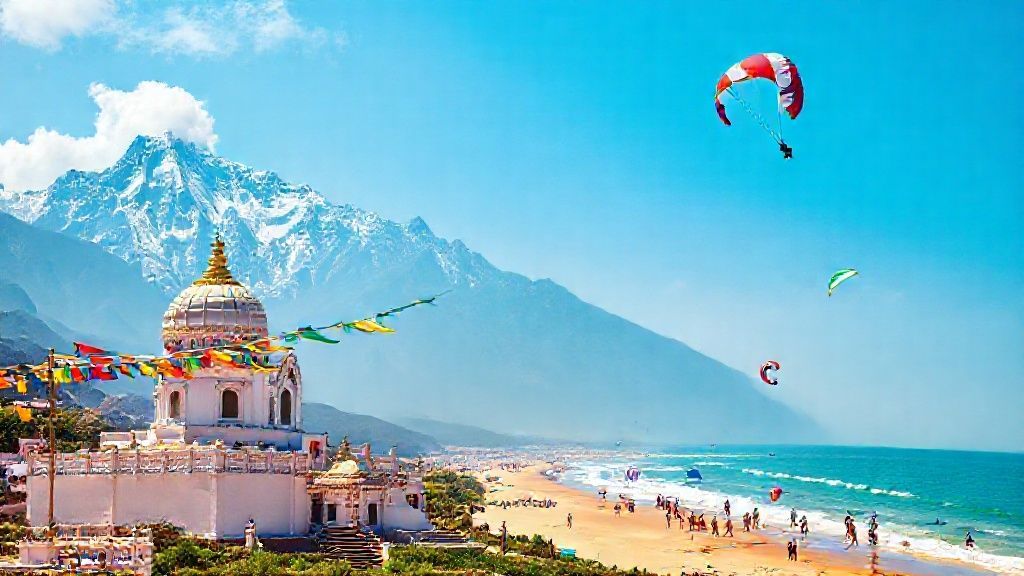
As the chill sets in across much of the Northern Hemisphere, India transforms into a winter wonderland of diverse experiences. From snow-capped Himalayan peaks to sun-drenched southern beaches, winter unveils India’s most comfortable and picturesque side. The crisp, cool air makes exploration a pleasure, while the clear skies offer breathtaking views that summer’s haze often obscures. Whether you’re seeking adventure in the mountains, cultural immersion in historic cities, or relaxation on pristine beaches, India’s winter season provides the perfect backdrop for unforgettable memories.
Winter in India typically spans from November to February, with December and January being the peak months for tourism. During this period, temperatures become pleasantly moderate across most regions, making outdoor activities enjoyable and sightseeing comfortable. The monsoon season has passed, leaving landscapes lush and green, while the reduced humidity creates ideal conditions for exploring everything from ancient temples to bustling markets. This seasonal sweet spot makes winter the optimal time to discover India’s incredible diversity without battling extreme heat or heavy rainfall.
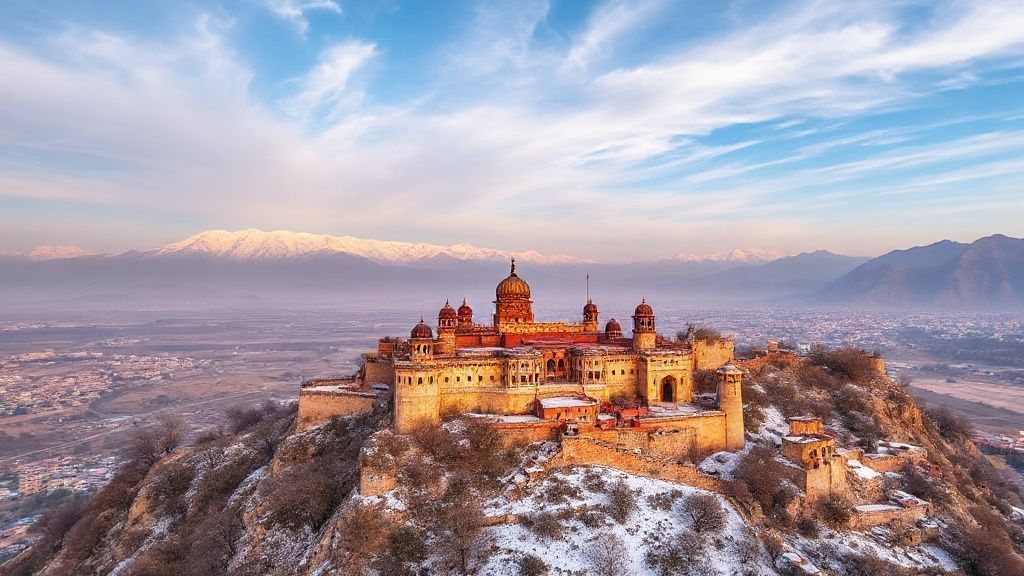
Himalayan Winter Wonderlands
The Indian Himalayas transform into magical winter destinations that rival any European alpine resort. These regions offer more than just snow—they provide authentic cultural experiences, adventure opportunities, and breathtaking natural beauty that’s particularly stunning during the colder months.

Manali: The Queen of Hill Stations
Nestled in the Kullu Valley of Himachal Pradesh, Manali emerges as one of India’s premier winter destinations. The town comes alive with snow-covered landscapes, cozy cafes, and adventure activities that cater to every type of traveler. The Rohtang Pass, though sometimes closed due to heavy snowfall, offers spectacular views when accessible. For those seeking winter sports, Solang Valley provides excellent opportunities for skiing, snowboarding, and snowmobiling. Beyond the adventure, Manali’s Old Town reveals traditional Himachali architecture and local markets selling woolens and handicrafts perfect for the season.

What makes Manali particularly special during winter is its accessibility combined with authentic mountain culture. Unlike some remote Himalayan destinations, Manali offers comfortable accommodations ranging from budget homestays to luxury resorts, all while maintaining its rustic charm. The Beas River flowing through the valley adds to the scenic beauty, with snow-dusted pine forests creating picture-perfect vistas at every turn.
Gulmarg: India’s Skiing Capital
Located in Jammu and Kashmir, Gulmarg stands as India’s premier skiing destination, attracting both domestic and international winter sports enthusiasts. The Gulmarg Gondola, one of the highest cable cars in the world, transports visitors to breathtaking heights where pristine powder snow awaits. Beyond skiing and snowboarding, Gulmarg offers snowshoeing, sledding, and winter trekking opportunities for those wanting to explore the surrounding landscapes.

The beauty of Gulmarg extends beyond its slopes. The frozen Alpather Lake, snow-covered golf course (the world’s highest), and traditional Kashmiri wooden houses create a fairy-tale setting. Local cuisine, particularly the warming Kashmiri kahwa tea and hearty wazwan meals, provides the perfect culinary complement to the chilly weather. For a truly unique experience, consider staying in a houseboat on nearby Dal Lake in Srinagar and taking day trips to Gulmarg—combining cultural immersion with winter adventure.

Cultural Capitals in Their Winter Glory
India’s historic cities become particularly inviting during winter, with comfortable temperatures making exploration of ancient monuments, bustling markets, and cultural sites thoroughly enjoyable.
Jaipur: The Pink City’s Winter Charm
Rajasthan’s capital transforms during winter months, with daytime temperatures becoming perfect for exploring its magnificent forts, palaces, and bazaars. The Amber Fort, City Palace, and Hawa Mahal take on a special glow in the soft winter light, while evenings become pleasantly cool rather than uncomfortably cold. Winter also brings several cultural festivals to Jaipur, including the Jaipur Literature Festival in January—one of the world’s largest literary gatherings.
What makes Jaipur particularly appealing in winter is the opportunity to experience traditional Rajasthani culture at its best. Camel rides in the surrounding desert become comfortable rather than scorching, and evening cultural performances in heritage hotels create magical memories. The local markets come alive with winter textiles, including beautiful woolen shawls and blankets that make perfect souvenirs. For food enthusiasts, winter is the season for traditional Rajasthani dishes like gatte ki sabzi and ker sangri, best enjoyed in the cool evening air.
Varanasi: Spiritual Serenity by the Ganges
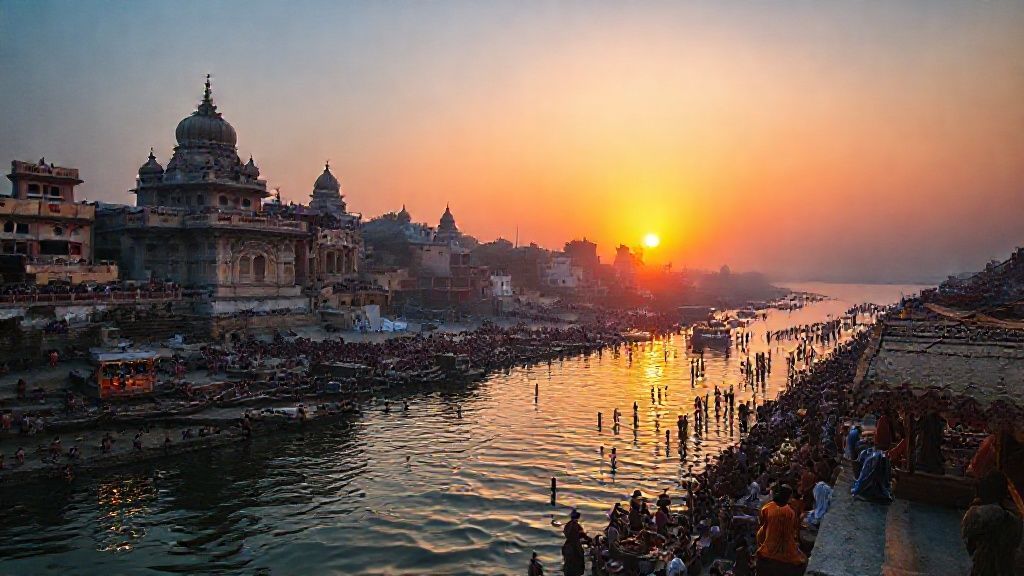
Varanasi, one of the world’s oldest continuously inhabited cities, takes on a mystical quality during winter months. The morning fog rising from the Ganges River creates ethereal scenes during sunrise boat rides, while the cooler temperatures make exploring the labyrinthine alleys and ghats much more comfortable than during summer’s intense heat. Winter is also festival season in Varanasi, with Dev Deepawali (the festival of lights of the gods) creating spectacular illuminations along the riverbanks.
The spiritual energy of Varanasi feels particularly potent during winter, as pilgrims and visitors gather for morning prayers and evening aartis without battling extreme temperatures. The city’s famous silk weaving industry produces beautiful winter shawls and scarves, perfect for both the local climate and as meaningful souvenirs. For those interested in yoga and meditation, Varanasi’s numerous ashrams offer winter retreats that combine spiritual practice with comfortable weather conditions.
Sun-Kissed Southern Escapes
While North India embraces winter chill, South India offers perfect beach weather and tropical comfort during these months. The monsoon has passed, leaving landscapes lush and green, while temperatures become ideal for coastal exploration.
Goa: Beyond the Summer Crowds
Goa transforms during winter from a monsoon-affected region to India’s premier beach destination. From November to February, Goa enjoys perfect beach weather with clear skies, comfortable temperatures, and minimal humidity. The famous Christmas and New Year celebrations bring a festive atmosphere, while the post-monsoon period leaves the countryside exceptionally green and beautiful. Beyond the beaches, winter is ideal for exploring Goa’s Portuguese heritage architecture, spice plantations, and wildlife sanctuaries.
What many visitors don’t realize is that winter offers a more authentic Goan experience than peak tourist season. The weather is perfect for cycling through rural villages, kayaking in backwaters, and exploring lesser-known beaches like Galgibaga and Agonda. The culinary scene comes alive with fresh seafood and seasonal specialties, while cultural events like the Sunburn Festival and Christmas markets create vibrant local experiences. For those seeking wellness, Goa’s numerous yoga retreats and Ayurvedic centers offer winter programs in perfect weather conditions.
Kerala: Backwaters in Blissful Weather
Kerala, known as “God’s Own Country,” reaches its peak beauty during winter months. The backwaters become particularly inviting, with comfortable temperatures making houseboat cruises through Alleppey and Kumarakom utterly delightful. The hill stations of Munnar and Wayanad offer cool, misty mornings perfect for tea plantation walks and wildlife spotting, while beaches like Kovalam and Varkala provide sunny relaxation without oppressive heat.
Winter in Kerala coincides with the harvest festival of Onam in some years and always includes perfect conditions for Ayurvedic treatments. The moderate weather enhances the effectiveness of traditional therapies, making this an ideal time for wellness retreats. Cultural performances like Kathakali and Theyyam become more frequent during tourist season, offering visitors rich insights into Kerala’s artistic heritage. For nature enthusiasts, winter is prime time for birdwatching in Kerala’s numerous sanctuaries, as migratory birds arrive from colder regions.
Offbeat Winter Discoveries
Beyond the well-known destinations, India offers numerous hidden gems that shine particularly bright during winter months. These less-crowded locations provide unique experiences for travelers seeking something different.
Ziro Valley: Arunachal Pradesh’s Hidden Treasure
Located in Arunachal Pradesh, Ziro Valley offers a winter experience unlike any other in India. The home of the Apatani tribe, this UNESCO World Heritage Site candidate features breathtaking landscapes of rice fields, pine forests, and traditional villages. Winter brings clear skies perfect for viewing the Eastern Himalayas, while temperatures remain cool but comfortable. The Ziro Music Festival, though typically held in September, has made this destination famous, but winter visitors can enjoy the valley’s natural beauty without the crowds.
The unique appeal of Ziro in winter lies in its combination of cultural immersion and natural beauty. The Apatani people’s sustainable agricultural practices create stunning landscapes, while their distinct facial tattoos and nose plugs represent one of India’s most unique cultural traditions. Trekking opportunities abound, with trails leading to nearby hills offering panoramic views of the snow-capped Himalayas. For photography enthusiasts, the winter light creates magical conditions for capturing both landscapes and portraits.
Khajuraho: Temple Marvels in Comfortable Climate
The famous temple complex of Khajuraho in Madhya Pradesh becomes particularly visitable during winter months. The intricate stone carvings are best appreciated in the soft winter light, while comfortable temperatures make exploring the extensive UNESCO World Heritage site a pleasure rather than an endurance test. The Khajuraho Dance Festival in February brings classical Indian dance performances against the stunning backdrop of these architectural marvels.
Winter also provides ideal conditions for exploring the surrounding region, including Panna National Park for wildlife viewing and the ancient city of Orchha with its magnificent palaces and temples. The reduced humidity preserves energy for thorough exploration, while cool evenings make open-air cultural performances thoroughly enjoyable. For history and architecture enthusiasts, winter offers the perfect conditions for detailed study and photography of these remarkable monuments.
Planning Your Perfect Indian Winter Getaway
Successful winter travel in India requires thoughtful preparation to make the most of the season’s opportunities while navigating its unique challenges.
Timing Your Visit
December through February represents peak winter season across most of India, with Christmas and New Year being particularly busy periods. For better deals and fewer crowds, consider visiting in November or late February. Mountain destinations like Manali and Gulmarg typically have their best snow conditions from mid-December through February, while beach destinations like Goa and Kerala enjoy perfect weather from November through March.
Packing Essentials
Winter packing for India requires a layered approach. For Himalayan destinations, include thermal wear, waterproof jackets, and proper snow gear. For cultural cities like Jaipur and Varanasi, pack light sweaters, scarves, and comfortable walking shoes. Southern beach destinations require light cotton clothing plus a light jacket for cooler evenings. Regardless of destination, include sunscreen—winter sun in India can be surprisingly strong, especially at higher altitudes.
Transportation Considerations
Winter travel in India benefits from booking transportation well in advance, particularly for popular routes and during festival periods. Domestic flights often have better availability and pricing when booked early, while train travel offers a scenic alternative for many routes. In mountain regions, be prepared for possible road closures due to snow and consider hiring experienced local drivers familiar with winter conditions.
Making Memories That Last
India’s winter season offers something for every type of traveler—from adventure seekers to culture enthusiasts, spiritual pilgrims to beach lovers. The diversity of experiences available during these months is unmatched, with each region showcasing its best features in comfortable weather conditions. Whether you’re watching sunrise over the Ganges in Varanasi, skiing down Himalayan slopes in Gulmarg, or relaxing on a Goan beach, winter in India creates perfect conditions for unforgettable experiences.
The key to a successful winter getaway lies in matching your interests with the right destination and timing. Mountain lovers should head north for snow sports and stunning vistas, while those seeking warmth and beaches will find paradise in the south. Cultural enthusiasts have their pick of historic cities at their most visitable, while adventure seekers can explore everything from winter treks to wildlife safaris. No matter which destinations you choose, India’s winter magic promises memories that will warm your heart long after you’ve returned home.
As you plan your journey, remember that India’s true beauty lies not just in its destinations but in the experiences between them—the chance conversations, unexpected discoveries, and moments of wonder that occur when comfortable weather meets incredible diversity. This winter, let India surprise you with its perfect blend of climate, culture, and natural beauty, creating a holiday that you’ll cherish for years to come.