

Why Winter in India is a Traveler’s Paradise
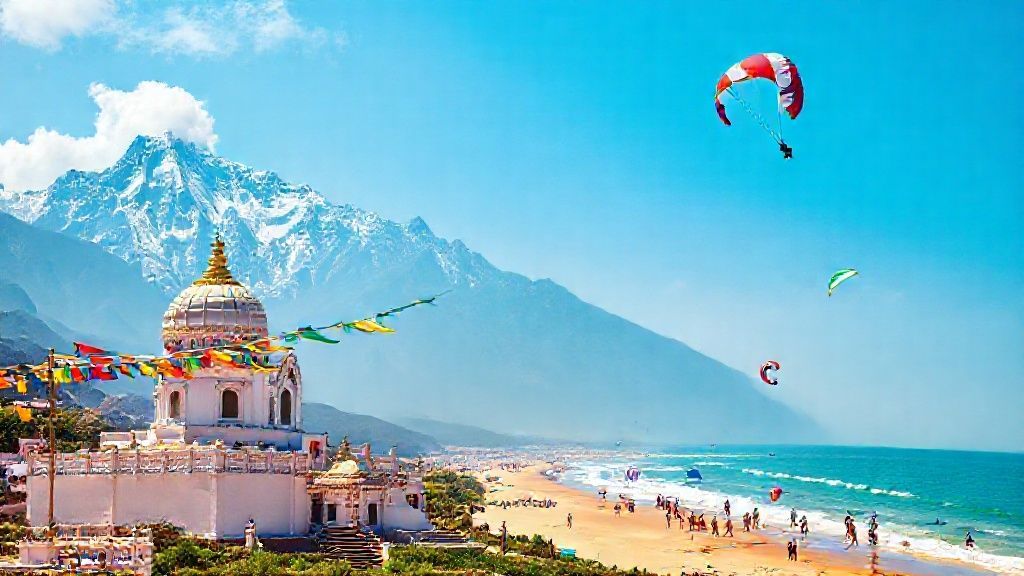
As the northern hemisphere braces for frosty winds and snow-covered landscapes, India transforms into a magical wonderland that beckons travelers from across the globe. The subcontinent’s geographical diversity creates a winter experience unlike any other—from snow-capped Himalayan peaks to sun-drenched tropical beaches, from misty hill stations to vibrant desert festivals. Winter in India isn’t just about escaping the cold; it’s about discovering a country that comes alive with cultural celebrations, perfect weather, and breathtaking natural beauty.
Between November and February, India sheds its monsoon humidity and summer heat, revealing its most comfortable and picturesque side. The crisp mountain air, clear blue skies, and pleasant daytime temperatures create ideal conditions for exploration. Whether you’re seeking adventure in the snow, cultural immersion in ancient cities, or relaxation on pristine beaches, India’s winter destinations offer something for every type of traveler. This guide will take you through the top five destinations that showcase India’s winter magic at its finest.

1. The Himalayan Wonderland: Manali and Beyond
Why Manali Tops Every Winter Travel List
Nestled in the Kullu Valley of Himachal Pradesh, Manali has earned its reputation as India’s premier winter destination for good reason. The town transforms into a snowy paradise from December through February, with temperatures ranging from -7°C to 10°C. The Rohtang Pass, though often closed due to heavy snowfall, creates a stunning backdrop for winter sports enthusiasts. Solang Valley becomes a hub for skiing, snowboarding, and paragliding, while the Beas River adds a touch of serenity to the winter landscape.
Beyond the adventure sports, Manali offers unique winter experiences that few destinations can match. The local culture comes alive with winter festivals, and the apple orchards covered in snow create picture-perfect scenes. The town’s strategic location makes it an excellent base for exploring nearby attractions like Naggar Castle, the hot springs at Vashisht, and the ancient Hadimba Temple. For those seeking luxury, the region boasts some of India’s finest mountain resorts, complete with fireplaces and panoramic views.

Beyond Manali: Other Himalayan Gems
- Shimla: The former summer capital of British India retains its colonial charm while offering modern winter comforts. The Ridge, Mall Road, and Christ Church become even more enchanting under a light dusting of snow.
- Gulmarg: Known as the “Meadow of Flowers,” this Kashmir destination transforms into Asia’s premier skiing destination with some of the world’s highest gondolas.
- Auli: Often called India’s Switzerland, Auli offers pristine skiing conditions and breathtaking views of Nanda Devi, India’s second-highest peak.
- Darjeeling: The “Queen of the Hills” provides stunning views of Kanchenjunga, the world’s third-highest mountain, along with colonial-era charm and world-famous tea estates.
2. Rajasthan: Where Winter Brings Royal Celebrations
Jaipur’s Winter Majesty
Rajasthan’s desert climate makes winter the perfect time to explore its majestic forts, palaces, and vibrant culture. Jaipur, the Pink City, shines brightest between November and February when temperatures range from a comfortable 10°C to 25°C. The Amber Fort, Hawa Mahal, and City Palace take on a special glow in the soft winter sunlight, while the evenings become perfect for cultural performances and traditional dining experiences.
Winter in Jaipur means festival season. The Jaipur Literature Festival, typically held in January, attracts literary giants from around the world. The city’s markets come alive with winter textiles, handicrafts, and traditional Rajasthani cuisine that tastes even better in the cool weather. For photography enthusiasts, the golden hour during winter creates magical lighting conditions for capturing the city’s architectural wonders.

Udaipur and Jodhpur: Lakes and Forts in Perfect Weather
Udaipur, the City of Lakes, becomes particularly romantic in winter. The cool weather makes boat rides on Lake Pichola more enjoyable, with the Lake Palace and Jag Mandir creating stunning reflections in the calm waters. The evenings are perfect for cultural shows at Bagore Ki Haveli and dining with views of the illuminated City Palace.
Jodhpur, the Blue City, offers comfortable exploration of Mehrangarh Fort—one of India’s largest forts—without the scorching summer heat. The winter sun creates dramatic shadows across the fort’s massive walls, while the blue houses of the old city appear even more vibrant against the clear sky.
3. Goa: Winter Sun and Beach Bliss
Why Goa is India’s Ultimate Winter Escape
While northern India bundles up, Goa enjoys perfect beach weather with temperatures ranging from 20°C to 32°C. The monsoon has washed everything clean, leaving lush green landscapes that contrast beautifully with the golden beaches and blue Arabian Sea. From November to February, Goa transforms into India’s party capital, but it also offers serene alternatives for those seeking peace and relaxation.
The winter season in Goa coincides with some of its most vibrant festivals. Christmas and New Year celebrations are legendary, with beach parties, live music, and fireworks lighting up the coastline. The Feast of St. Francis Xavier in December brings religious processions and cultural events to Old Goa, while the Sunburn Festival (typically in December) attracts electronic music fans from across the globe.

Beyond the Beaches: Goa’s Winter Charms
- Spice Plantation Tours: The cool weather makes exploring Goa’s interior plantations particularly enjoyable
- Wildlife Sanctuaries: Bhagwan Mahavir and Cotigao sanctuaries offer excellent wildlife viewing opportunities
- Heritage Exploration: The Fontainhas Latin Quarter and ancient churches are more comfortable to explore in winter
- River Cruises: The Mandovi River cruises become particularly pleasant in the evening breeze
4. Kerala: Backwaters and Beaches in Perfect Harmony
The Winter Magic of God’s Own Country
Kerala enjoys its best weather from November to February, with temperatures ranging from 23°C to 32°C and minimal rainfall. This makes it the perfect time to experience the state’s famous backwaters, beaches, and hill stations. The Alleppey backwaters become particularly magical in winter, with clear skies reflecting in the tranquil waters and cool breezes making houseboat stays exceptionally comfortable.
Kerala’s beaches, from Kovalam to Varkala, offer ideal sunbathing and swimming conditions. The cliff-top views at Varkala are especially breathtaking during winter sunsets. Meanwhile, the hill stations of Munnar and Wayanad provide a refreshing escape with their tea gardens, spice plantations, and wildlife sanctuaries looking their greenest after the monsoon.
Ayurveda and Cultural Experiences
Winter is considered the best season for Ayurvedic treatments in Kerala. The cool, dry weather enhances the effectiveness of therapies and rejuvenation programs. Cultural enthusiasts can time their visit with traditional festivals like the Kochi-Muziris Biennale (alternate years) or the Thrissur Pooram (typically April-May, but winter has many temple festivals).
The Periyar Wildlife Sanctuary offers excellent animal spotting opportunities as animals come to water sources more frequently. The famous Kathakali and Theyyam performances are more frequent during the tourist season, providing visitors with authentic cultural experiences.
5. Varanasi: Spiritual Winter on the Ganges
Why Winter Reveals Varanasi’s True Spirit
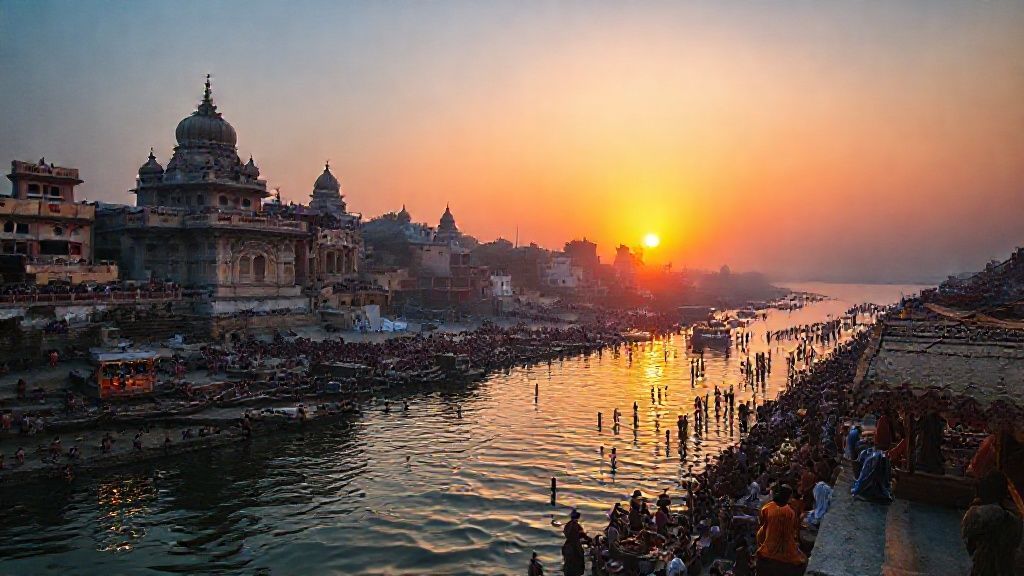
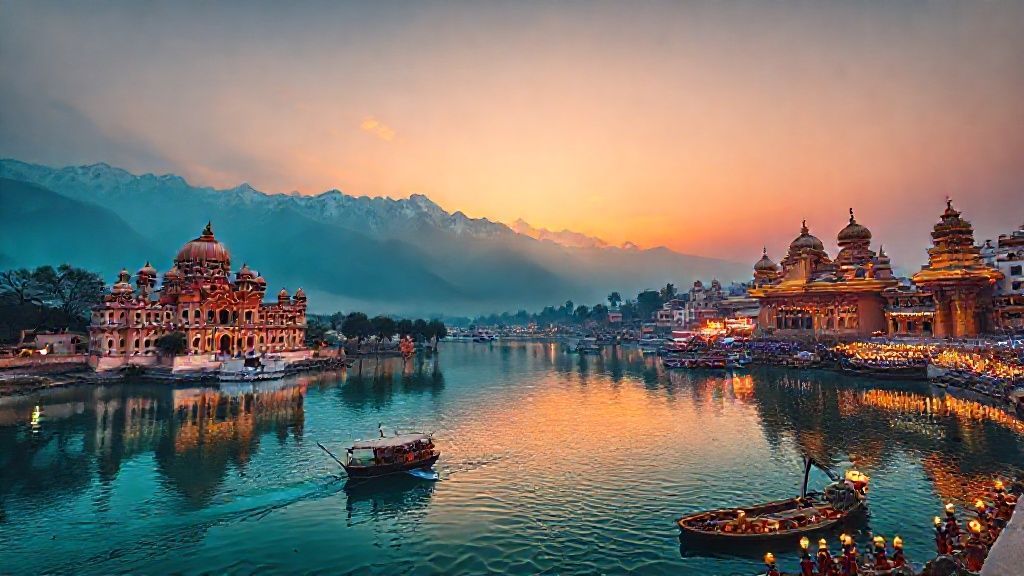
Varanasi, one of the world’s oldest continuously inhabited cities, takes on a special atmosphere during winter. The early morning fog over the Ganges, the soft winter light on ancient ghats, and the comfortable temperatures (10°C to 25°C) create perfect conditions for spiritual exploration. The winter months see fewer crowds than the peak pilgrimage seasons, allowing for more intimate experiences along the sacred river.
The Ganga Aarti at Dashashwamedh Ghat becomes even more mesmerizing in the crisp evening air. Boat rides along the Ganges during sunrise offer breathtaking views of the ghats emerging from the morning mist. Winter is also the season for several important festivals, including Dev Deepawali (15 days after Diwali), when the ghats are illuminated with thousands of earthen lamps.
Cultural and Culinary Winter Experiences
- Classical Music Concerts: Winter sees numerous music festivals featuring India’s finest classical musicians
- Textile and Craft Exploration: The cool weather makes exploring Varanasi’s famous silk weavers’ lanes more comfortable
- University Culture: Benaras Hindu University’s beautiful campus is particularly pleasant to explore in winter
- Winter Cuisine: Local eateries serve special winter dishes that warm both body and soul
Planning Your Indian Winter Adventure: Essential Tips
When to Visit Each Destination
Timing is crucial for maximizing your Indian winter travel experience. For Himalayan destinations like Manali, December to February offers the best snow conditions, though some passes may be closed. Rajasthan is ideal from November to early March, avoiding both the summer heat and the peak winter chill in January. Goa and Kerala shine from November to February, with December and January being peak season. Varanasi is pleasant from November to February, with January offering the clearest skies for photography.
Packing Essentials for Diverse Climates
India’s winter destinations require versatile packing:
- For Himalayan regions: Thermal layers, waterproof jackets, snow boots, gloves, and hats
- For Rajasthan: Light woolens for evenings, comfortable walking shoes, sunglasses, and sunscreen
- For Goa and Kerala: Beachwear, light cotton clothing, sunscreen, and a light jacket for evenings
- For Varanasi: Modest clothing covering shoulders and knees, comfortable shoes for walking ghats, and light woolens
Transportation and Accommodation Insights
Winter is peak tourist season across India, so advance booking is essential. Domestic flights between major cities are plentiful, but mountain destinations may require road travel. The Indian Railways offers comfortable overnight journeys to many destinations—book tickets well in advance through their official website. Accommodation ranges from luxury heritage properties in Rajasthan to cozy homestays in Kerala and mountain lodges in Himachal.
Beyond the Top 5: Honorable Winter Mentions
While our top five destinations capture India’s winter diversity, several other locations deserve mention for specific interests:
For Wildlife Enthusiasts: Ranthambore National Park offers excellent tiger spotting opportunities from November to April, when animals are more active during the cooler days. The park’s ancient fort creates a stunning backdrop for wildlife photography.
For Desert Experiences: Jaisalmer’s Desert Festival in February transforms the Thar Desert into a cultural extravaganza with camel races, folk music, and traditional competitions. The cool winter nights make desert camping particularly enjoyable.
For Offbeat Mountain Experiences: Spiti Valley, though challenging to reach in winter, offers unparalleled stark beauty and Buddhist culture. The frozen rivers and snow-covered monasteries create a landscape that feels otherworldly.
For Cultural Festivals: Kolkata’s winter season includes the famous Durga Puja (though timing varies) and the Kolkata Book Fair in January, making it a cultural hub for literature and arts enthusiasts.
Making the Most of Your Winter Journey
India’s winter destinations offer more than just pleasant weather—they provide windows into the country’s soul. The key to a memorable winter journey lies in embracing the seasonal specialties of each region. In the mountains, this might mean trying local winter cuisine like siddu in Himachal or participating in winter sports. In Rajasthan, it could involve attending a cultural festival or exploring palaces in the perfect light. In Goa and Kerala, it’s about balancing beach time with cultural exploration. And in Varanasi, it’s about experiencing spiritual rituals in their most atmospheric season.
Remember that winter travel in India requires flexibility—weather conditions can change rapidly, especially in mountain regions. Local festivals might adjust dates based on lunar calendars. But this flexibility often leads to unexpected delights and authentic experiences that rigid itineraries might miss.
Whether you choose one destination or combine several, India’s winter offerings promise memories that will last long after the season ends. From snow-capped peaks to sun-warmed beaches, from desert forts to river ghats, India in winter isn’t just a destination—it’s a collection of experiences waiting to be discovered.