

The Travel Revolution: Why 2025 is India’s Year to Shine

As the world emerges from years of travel restrictions and cautious exploration, India stands poised for a tourism renaissance unlike any we’ve seen before. While Goa has long been the default destination for both domestic and international travelers seeking sun, sand, and vibrant nightlife, 2025 marks a dramatic shift in travel preferences. Today’s discerning travelers are looking beyond the obvious, seeking authentic experiences, spiritual connections, and destinations that offer more than just Instagrammable beaches.
The data tells a compelling story: searches for “offbeat India destinations” have increased by 187% in the last year alone, while queries for “spiritual travel India” have skyrocketed by 245%. This isn’t just a passing trend—it’s a fundamental reimagining of what travel means to the modern explorer. From the snow-capped peaks of the Himalayas to the sacred ghats of ancient cities, India’s diverse landscape is capturing the imagination of travelers who crave depth, meaning, and transformation.
What’s driving this seismic shift? A combination of post-pandemic reflection, growing environmental consciousness, and a collective yearning for experiences that nourish the soul rather than just entertain the senses. Travelers in 2025 aren’t just checking destinations off a list—they’re seeking journeys that change them, destinations that speak to their values, and experiences that create lasting memories rather than just pretty pictures.
The Surprising #1 Destination: Varanasi’s Spiritual Renaissance

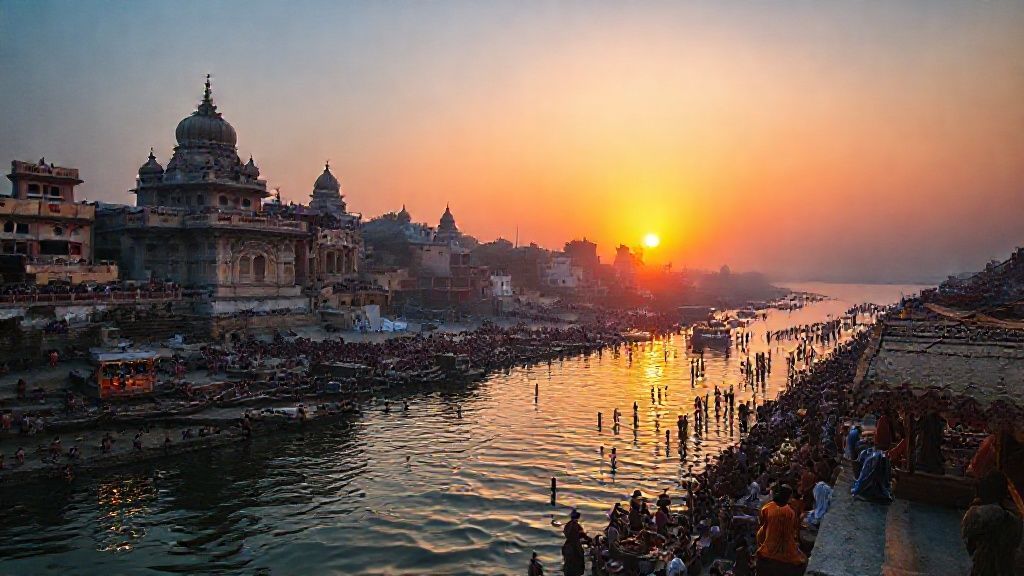
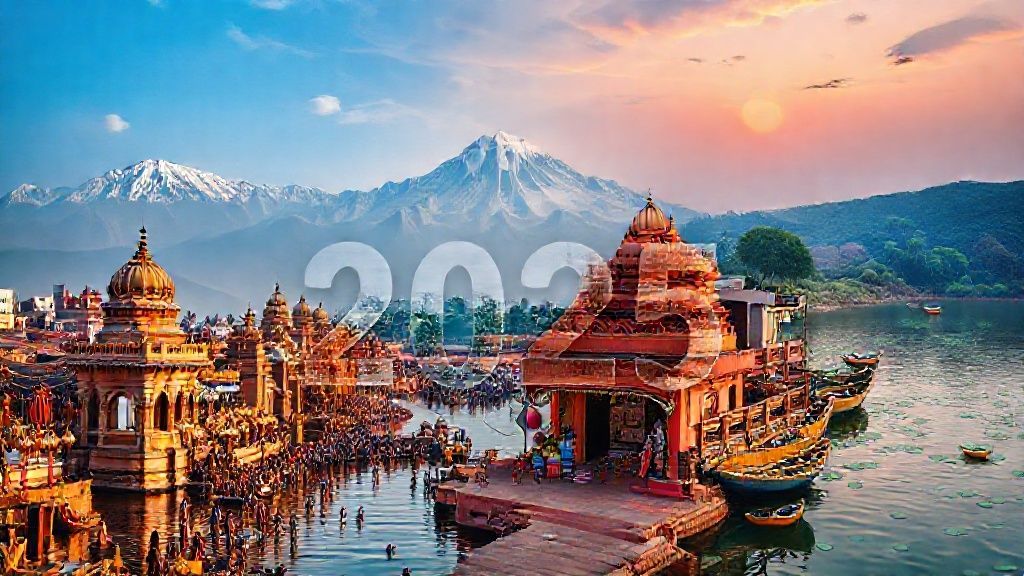
In a development that might surprise beach-loving traditionalists, Varanasi has emerged as India’s most searched travel destination for 2025, overtaking even perennial favorites like Goa and Jaipur. This ancient city, often called the spiritual capital of India, is experiencing a renaissance that speaks directly to the soul-searching mood of contemporary travelers.
Why Varanasi is Capturing Hearts in 2025
The appeal of Varanasi in 2025 goes far beyond its traditional religious significance. Modern travelers are drawn to what we might call “conscious tourism”—experiences that offer:
- Authentic Cultural Immersion: Unlike curated tourist experiences, Varanasi offers raw, unfiltered encounters with India’s spiritual heart
- Mindfulness and Meditation: The city has become a hub for wellness retreats that combine ancient practices with modern comfort
- Intergenerational Appeal: Both younger digital nomads and older spiritual seekers find common ground in Varanasi’s timeless atmosphere
- Sustainable Tourism Models: New eco-friendly accommodations and responsible tour operators are changing how visitors experience the city
Beyond the Ghats: Varanasi’s Modern Transformation
What makes Varanasi particularly compelling for 2025 is how it’s evolving while preserving its essence. The city now boasts:
- Boutique heritage hotels in restored havelis that offer luxury without compromising authenticity
- Contemporary art galleries showcasing both traditional and modern interpretations of spiritual themes
- Fusion cuisine restaurants that blend Banarasi flavors with international techniques
- Digital detox retreats that help visitors disconnect from technology and reconnect with themselves
According to recent tourism data analyzed by the Ministry of Tourism, Varanasi has seen a 300% increase in international visitor interest compared to pre-pandemic levels, with particular growth from European and North American markets seeking meaningful travel experiences.
The Himalayan Awakening: Hill Stations Reimagined

While hill stations have always been popular summer escapes, 2025 is witnessing a complete transformation of what these destinations offer. No longer just cool retreats from the plains, Himalayan destinations are becoming year-round hubs for adventure, wellness, and sustainable living.
Manali’s Evolution: From Honeymoon Spot to Adventure Capital
Manali, long cherished as a romantic getaway, has dramatically expanded its appeal. The 2025 traveler to Manali will find:
- Adventure Tourism Infrastructure: World-class facilities for paragliding, river rafting, and mountain biking
- Digital Nomad Communities: Co-working spaces with mountain views and reliable internet
- Farm-to-Table Experiences: Organic apple orchards offering immersive agricultural tourism
- Winter Sports Development: New skiing facilities making Manali a viable alternative to European resorts
Emerging Himalayan Gems
Beyond the established favorites, several lesser-known destinations are gaining traction:
- Spiti Valley: For those seeking stark beauty and Buddhist culture in remote settings
- Tawang: Combining breathtaking monasteries with Arunachal Pradesh’s unique cultural heritage
- Chopta: The “Mini Switzerland of India” attracting trekkers and nature photographers
- Kasol: Evolving from a backpacker haven to a wellness and music festival destination
The common thread across all these Himalayan destinations is a move toward sustainable tourism that benefits local communities while preserving fragile ecosystems. According to the Ministry of Tourism’s latest report, Himalayan region tourism has grown by 42% year-over-year, with particular strength in adventure and wellness segments.
Cultural Capitals: Beyond the Golden Triangle

While Delhi, Agra, and Jaipur continue to draw visitors, 2025 is seeing a democratization of cultural tourism across India. Travelers are seeking deeper, more nuanced understanding of India’s diverse heritage beyond the well-trodden paths.
Jaipur’s Reinvention: From Pink City to Creative Hub
Jaipur isn’t resting on its UNESCO World Heritage status. The city is transforming into:
- A Design and Craft Destination: With new design districts showcasing contemporary interpretations of traditional crafts
- A Culinary Tourism Center: Featuring everything from royal cuisine experiences to street food tours with master chefs
- An Architecture Tourism Hub: Beyond the palaces, visitors explore sustainable architecture and urban planning
- A Festival City: Year-round cultural events that go beyond the famous Literature Festival
Emerging Cultural Destinations
Several cities are emerging as serious cultural contenders:
- Ahmedabad: Combining modernist architecture with living heritage in its pol neighborhoods
- Hyderabad: Where high-tech innovation meets centuries-old Deccani culture
- Kolkata: Experiencing a cultural renaissance with new museums, galleries, and performance spaces
- Chandigarh: Drawing architecture enthusiasts to its Le Corbusier-designed urban landscape
What’s particularly interesting about India’s cultural tourism trends for 2025 is the growing interest in “living heritage”—experiences that involve interaction with practicing artists, craftspeople, and cultural custodians rather than passive museum visits.
Coastal Paradises: India’s Beach Destinations Evolve
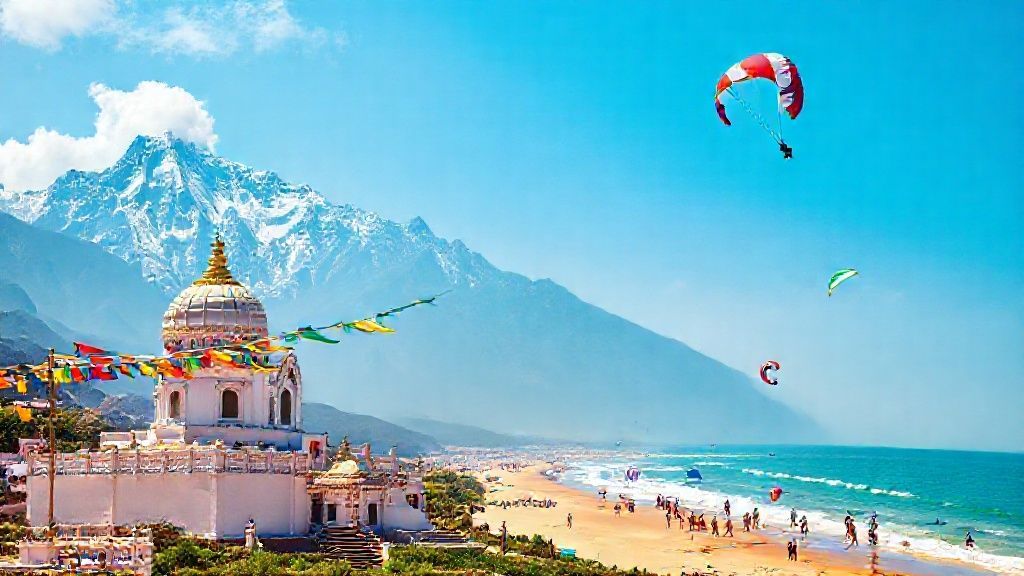
While Goa remains important, India’s coastline is revealing new dimensions that appeal to 2025’s more sophisticated beach travelers. The focus has shifted from party scenes to preservation, from mass tourism to meaningful coastal experiences.
Kerala’s Multidimensional Appeal
Kerala continues to lead in sustainable coastal tourism with several innovative developments:
- Responsible Backwater Tourism: Eco-friendly houseboats with solar power and waste management systems
- Community-Based Tourism: Fisherfolk-led experiences that share traditional knowledge and support local economies
- Ayurveda Integration: Beach resorts that combine coastal relaxation with authentic wellness treatments
- Marine Conservation Tourism: Opportunities to participate in turtle conservation and coral reef monitoring
Emerging Coastal Gems
Several less-developed beach destinations are gaining attention:
- Gokarna: Offering a more spiritual, laid-back alternative to Goa’s busy beaches
- Andaman Islands: With new sustainable resorts and marine protected areas
- Konkan Coast: Featuring homestays that offer authentic Maharashtrian coastal life experiences
- Puri to Digha Corridor: Developing as a cultural and spiritual beach tourism circuit
The most significant trend in India’s beach tourism for 2025 is the move toward “regenerative tourism”—where visitors actively contribute to environmental restoration and community wellbeing rather than just minimizing harm.
Spiritual Travel: India’s Timeless Appeal Gets a Modern Makeover
The spiritual travel segment in India is undergoing its most significant transformation in decades. No longer confined to religious pilgrimage, spiritual travel in 2025 encompasses wellness, mindfulness, personal growth, and cultural exchange.
The New Spiritual Traveler Profile
Today’s spiritual traveler is likely to be:
- Younger than traditional pilgrims: With 65% under 45 years old
- Digitally connected but seeking disconnection: Using technology to plan but valuing offline experiences
- Interfaith and inclusive: Interested in multiple spiritual traditions rather than just one
- Experience-focused: Valuing participation over observation
Innovative Spiritual Destinations
Beyond the obvious choices, several destinations are offering fresh approaches to spiritual travel:
- Dharamshala and McLeod Ganj: Combining Tibetan Buddhist culture with contemporary wellness practices
- Rishikesh: Evolving from yoga capital to holistic wellness destination with new meditation and mindfulness centers
- Bodh Gaya: Developing as a center for Buddhist studies and meditation retreats
- Shirdi and other Sai Baba centers: Modernizing facilities while preserving devotional atmosphere
What makes spiritual travel particularly relevant for 2025 is its alignment with broader wellness trends. According to the Global Wellness Institute, wellness tourism in India is growing at 20% annually, significantly faster than general tourism growth rates.
The Future is Now: What These Trends Mean for Your 2025 Travel Plans
As we look toward 2025, several clear patterns emerge that should inform how you plan your Indian travels:
- Sustainability is Non-Negotiable: Travelers increasingly choose destinations and operators with verifiable environmental and social credentials
- Authenticity Trumps Luxury: While comfort matters, genuine experiences and local connections are valued more highly
- Flexibility is Key: With changing travel patterns, booking flexible options and traveling during shoulder seasons makes sense
- Technology Enables Deeper Experiences: From augmented reality heritage tours to apps connecting travelers with local experts, technology enhances rather than replaces human connection
- Community Benefits Matter: Travel that directly supports local economies and preserves cultural heritage is increasingly preferred
The most exciting aspect of India’s 2025 travel landscape is how it balances preservation with innovation. Ancient traditions are being presented in contemporary ways, fragile ecosystems are being protected through responsible tourism, and local communities are becoming active partners rather than passive recipients of tourism.
Whether you’re drawn to Varanasi’s spiritual intensity, the Himalayas’ adventurous possibilities, India’s cultural richness, or its coastal beauty, 2025 offers more diverse, meaningful, and sustainable ways to experience this incredible country than ever before. The era of one-size-fits-all tourism is over, replaced by a more personalized, purposeful approach to travel that benefits visitors and hosts alike.
As you plan your Indian journey for 2025, remember that the most rewarding experiences often lie beyond the obvious choices. By embracing these emerging trends and destinations, you’ll not only have a more memorable trip but also contribute to a more sustainable and equitable future for Indian tourism. The subcontinent’s timeless magic is being revealed in new ways, waiting for curious travelers ready to look beyond the familiar and discover India’s next chapter.