

Why Winter in India Is Pure Magic
As the last monsoon clouds drift away and the air turns crisp, India transforms into a winter wonderland that beckons travelers from every corner of the country. From November to February, the subcontinent sheds its tropical intensity and dons a gentle, inviting cloak perfect for exploration. This isn’t just about escaping the cold—it’s about discovering India’s most beautiful face, when the weather is perfect for everything from mountain treks to beach strolls.
For Indian travelers, winter offers something truly special: our own backyard becomes a collection of postcard-perfect destinations. The Himalayas wear their snowy crowns with pride, Rajasthan’s desert nights turn comfortably cool, Goa’s beaches become sun-kissed paradises, and Kerala’s backwaters shimmer under gentle sunshine. Whether you’re seeking adventure, romance, spiritual renewal, or family fun, India’s winter landscape delivers experiences that rival any international destination.
What makes 2024 particularly exciting for winter travel in India? After years of pandemic restrictions, destinations have upgraded their infrastructure while maintaining their authentic charm. New boutique hotels have opened in heritage properties, adventure operators have expanded their offerings, and sustainable tourism initiatives have taken root across the country. This year presents the perfect opportunity to rediscover familiar favorites and explore hidden gems with fresh eyes.
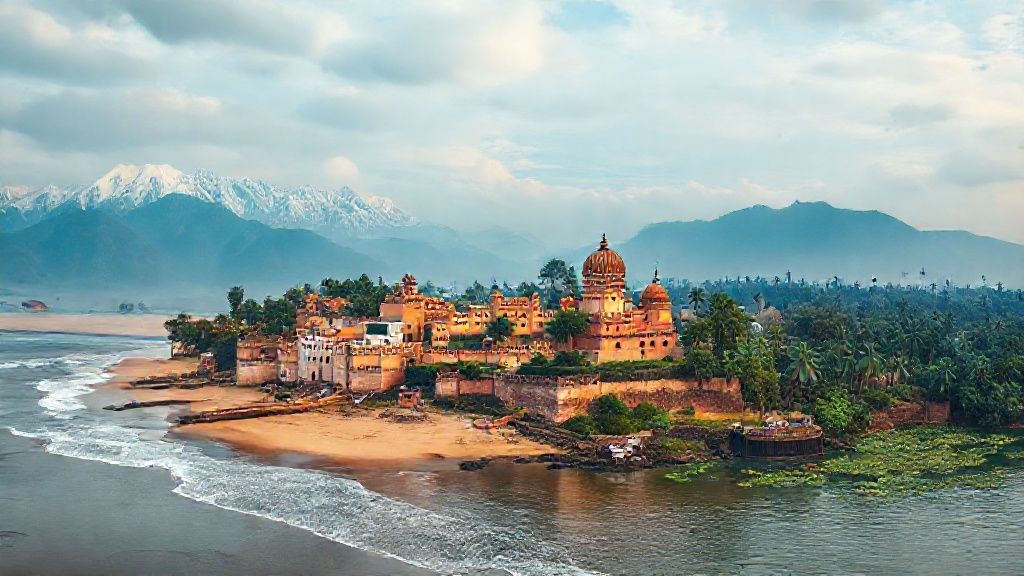
Snow-Capped Himalayan Escapes
The Himalayas during winter aren’t just a destination—they’re a transformation. When the first snow blankets these ancient mountains, they become a playground for adventure seekers and peace hunters alike. The air turns crystalline, the skies deepen to impossible blues, and the landscape transforms into something straight out of a fairy tale.

Manali: The Winter Wonderland Classic
No discussion of Indian winter destinations is complete without Manali. This Himachal Pradesh gem has been winning hearts for decades, and 2024 sees it better than ever. The Rohtang Pass might be closed, but that just means more time to explore Manali’s winter magic. The town transforms into a snow globe come to life, with pine trees wearing thick white coats and the Beas River flowing through a winter wonderland.
What makes Manali special this year? The infrastructure improvements are noticeable. Better roads, more reliable electricity, and expanded accommodation options mean you can enjoy the snow without roughing it too much. For adventure enthusiasts, Solang Valley offers skiing, snowboarding, and snowmobile rides with professional instructors. For those seeking tranquility, the apple orchards around Old Manali provide peaceful walks through snow-dusted trees.
Don’t miss the hot water springs at Vashisht Temple—there’s nothing quite like soaking in naturally heated water while snowflakes drift around you. The local cafes have also upped their game, with many now offering international cuisine alongside traditional Himachali dishes. Pro tip: Visit between mid-December and February for the heaviest snowfall, but be prepared for colder temperatures and possible road closures.

Gulmarg: India’s Skiing Capital
If you’re serious about winter sports, Gulmarg in Jammu & Kashmir is your destination. Home to one of the highest ski lifts in the world, this destination offers professional-grade slopes that attract international skiers. But you don’t need to be an expert to enjoy Gulmarg—beginners can take lessons at the ski school, while intermediate skiers can tackle the gentle slopes of Kongdori.
The Gondola ride to Apharwat Peak is an experience in itself, offering panoramic views of snow-covered peaks that stretch to Pakistan on clear days. What’s new for 2024? Improved safety measures, better equipment rentals, and more certified instructors make this the safest year yet to try skiing or snowboarding. For non-skiers, snowshoeing, sledding, and simply walking through the pine forests blanketed in snow are equally magical.
Stay in one of the charming wooden cottages or opt for the luxury of the Khyber Himalayan Resort & Spa. Either way, evenings are for warming up by the fireplace with kahwa—the traditional Kashmiri saffron tea that’s perfect for cold nights.

Sun-Kissed Beach Paradises
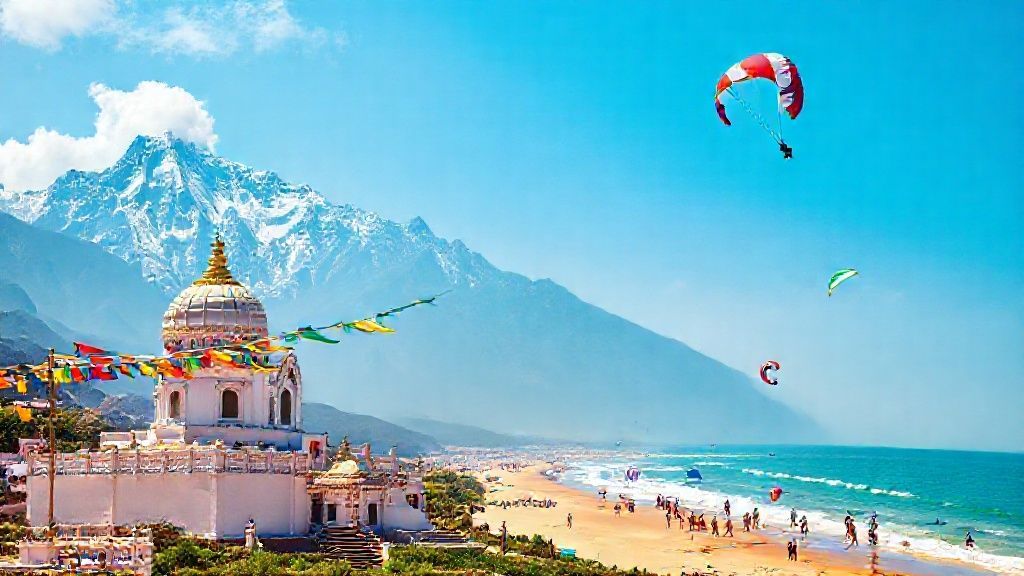
While the north freezes, India’s coastline comes into its own during winter. The monsoon has washed everything clean, the humidity has dropped, and the sun shines with gentle warmth rather than scorching intensity. This is beach season at its absolute best.

Goa: Beyond the Parties
Yes, Goa has its famous parties, but winter reveals a different side of this coastal paradise. From November to February, Goa transforms into the perfect beach destination for everyone—families, couples, solo travelers, and yes, party-goers too. The beaches are cleaner post-monsoon, the water is clearer, and the weather is consistently pleasant with temperatures ranging from 20°C to 32°C.
What’s trending in Goa for winter 2024? Sustainable tourism is taking center stage. More hotels are going plastic-free, beach clean-up initiatives are gaining momentum, and there’s a growing emphasis on authentic Goan experiences beyond the tourist trail. Try a cooking class with a local family in a Portuguese-era house, take a spice plantation tour, or explore the lesser-known beaches of South Goa like Galgibaga and Agonda.
For culture enthusiasts, the Christmas and New Year celebrations in Goa’s old Portuguese churches are magical. The Feast of St. Francis Xavier in early December draws pilgrims and tourists alike to Old Goa’s magnificent Basilica of Bom Jesus. And let’s not forget the food—winter is seafood season, with fresh catches appearing daily at beach shacks and fine dining restaurants alike.
Andaman Islands: Tropical Winter Escape
If you want to escape winter entirely, the Andaman Islands offer tropical perfection. November to February brings the best weather—minimal rain, calm seas, and perfect conditions for water activities. Havelock Island (now officially Swaraj Dweep) remains the crown jewel, with Radhanagar Beach consistently ranked among Asia’s best.
New for 2024: Improved ferry services between islands make island-hopping easier, and there are more sustainable diving operators offering PADI certifications. The government’s focus on eco-tourism means better protection for coral reefs and marine life. Don’t miss the chance to see bioluminescent plankton at Havelock—it’s like swimming through stars.
For history buffs, Cellular Jail in Port Blair tells the poignant story of India’s freedom struggle. The light and sound show here is particularly moving. And for pure relaxation, Neil Island offers a slower pace with beautiful beaches and friendly locals.
Cultural & Heritage Winter Experiences
Winter is the perfect time to explore India’s cultural treasures. The comfortable weather makes walking through ancient cities, exploring forts, and attending festivals a pleasure rather than an endurance test.
Rajasthan: The Golden Triangle in Comfort
Rajasthan in summer can be challenging, but in winter, it’s pure magic. The desert cools down, making exploration of Jaipur’s palaces, Jodhpur’s fort, and Udaipur’s lakes absolutely delightful. Jaipur, in particular, shines during winter months. The Pink City’s architectural wonders—from the Hawa Mahal to Amer Fort—are best explored when temperatures hover between 10°C and 25°C.
What’s special about Rajasthan in winter 2024? The Pushkar Camel Fair might be over, but winter brings other festivals worth experiencing. The Jaipur Literature Festival in January attracts book lovers from around the world, while the Desert Festival in Jaisalmer in February showcases Rajasthan’s vibrant culture through music, dance, and camel races.
Stay in heritage properties that were once palaces or havelis—many have been converted into luxurious hotels that offer royal treatment. The food is another highlight: winter is the season for gajar ka halwa (carrot pudding), makki ki roti with sarson ka saag (cornbread with mustard greens), and rich Rajasthani curries that taste even better in the cool weather.
Varanasi: Spiritual Winter Solace
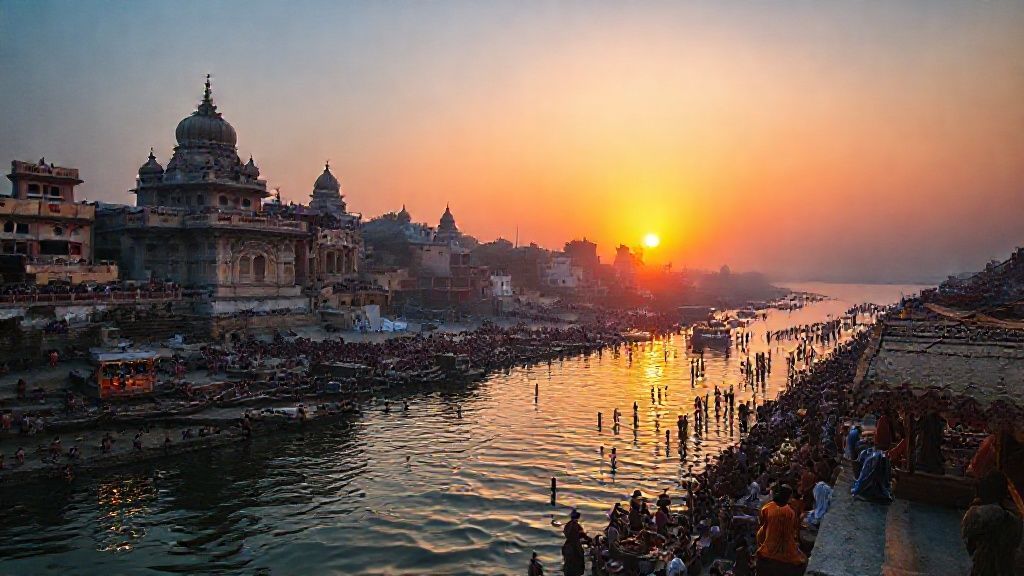
Varanasi takes on a different character in winter. The early morning fog over the Ganges, the gentle winter sun warming the ghats, and the comfortable temperatures make this spiritual capital more accessible. Winter mornings are perfect for boat rides on the Ganges to witness the sunrise and the morning rituals.
The winter months also see several important festivals. Dev Deepawali, celebrated 15 days after Diwali, sees the ghats illuminated with thousands of lamps—a sight that’s even more magical in the crisp winter air. Makar Sankranti in January brings colorful kite flying and special rituals at the ghats.
For 2024, Varanasi has seen significant infrastructure improvements while maintaining its ancient charm. Better walking paths along the ghats, cleaner accommodations, and more organized cultural experiences make this the perfect time to visit. Don’t miss the evening Ganga Aarti at Dashashwamedh Ghat—the combination of chanting, fire, and river creates an unforgettable spiritual experience.
Hill Stations with Winter Charm
Not all hill stations are about snow—some offer perfect winter weather for exploration and relaxation without the extreme cold.
Munnar: Kerala’s Tea Paradise
Kerala might be known for its monsoon beauty, but winter reveals a different side of “God’s Own Country.” Munnar, with its endless tea plantations, is particularly lovely from December to February. The weather is cool and pleasant (15°C to 25°C), perfect for trekking through tea gardens, visiting waterfalls, and exploring the Eravikulam National Park to see the endangered Nilgiri Tahr.
What’s new in Munnar for winter travelers? More homestays in tea plantation bungalows offer authentic experiences, and there’s growing emphasis on sustainable tea tourism. You can now participate in tea plucking sessions, learn about organic tea cultivation, and of course, enjoy endless cups of fresh tea with stunning valley views.
Combine your Munnar visit with a houseboat experience in Alleppey’s backwaters—winter brings clear skies and comfortable temperatures perfect for cruising through Kerala’s famous waterways.
Shillong: Scotland of the East in Winter
Meghalaya’s capital transforms into a misty wonderland during winter. While it doesn’t get extremely cold (temperatures range from 4°C to 15°C), the fog and occasional light drizzle create a magical atmosphere. The colonial architecture looks particularly charming in the winter light, and the local markets are full of winter produce and warm woolens.
Don’t miss the living root bridges in nearby Cherrapunji—they’re accessible year-round but particularly beautiful without the heavy monsoon rains. The Mawphlang Sacred Forest takes on an ethereal quality in winter mist, and the local cafes in Police Bazar serve perfect hot chocolate and momos to warm you up.
Adventure & Wildlife Winter Destinations
Winter opens up unique adventure and wildlife opportunities across India. The dry weather and good visibility make this the perfect season for outdoor activities and animal sightings.
Ranthambore: Tiger Spotting Season
For wildlife enthusiasts, winter is prime tiger-spotting season in Ranthambore National Park. The dry vegetation and animals gathering around water sources increase your chances of sightings. From November to February, the park is at its best for safaris, with comfortable temperatures in the morning and evening.
Beyond tigers, you’ll see plenty of other wildlife—leopards, sloth bears, various deer species, and over 300 species of birds. The ancient Ranthambore Fort within the park adds a historical dimension to your wildlife experience. Book your safaris well in advance, as winter is peak season and permits sell out quickly.
Ladakh: Winter Adventure Frontier
While most people visit Ladakh in summer, winter offers a completely different—and increasingly popular—experience. The region is accessible via flight year-round, and winter reveals a stark, beautiful landscape few tourists see. The Chadar Trek on the frozen Zanskar River is one of India’s most unique winter adventures, though it requires proper preparation and guides.
For less extreme experiences, winter in Leh offers clear skies perfect for stargazing, empty monasteries where you can have meaningful interactions with monks, and photography opportunities with snow-covered mountains as backdrops. The Hemis Monastery’s winter festival in January or February is a colorful celebration worth planning your trip around.
Planning Your Perfect Winter Getaway
Choosing the right winter destination depends on what you’re seeking. Here’s a quick guide to help you decide:
- For snow lovers: Manali, Gulmarg, Auli
- For beach enthusiasts: Goa, Andaman Islands, Gokarna
- For cultural exploration: Rajasthan, Varanasi, Hampi
- For pleasant hill station weather: Munnar, Coorg, Ooty
- For adventure: Ranthambore, Ladakh, Spiti Valley
- For spiritual retreats: Rishikesh, Dharamshala, Varanasi
Remember that winter is peak tourist season for most Indian destinations, so book accommodations and transportation well in advance. December and January see the highest prices and crowds, while November and February often offer better deals and slightly fewer tourists.
Pack according to your destination—layers work best for most places. Even in beach destinations, evenings can be cool, so bring a light jacket. For Himalayan destinations, proper winter gear is essential, including thermal wear, waterproof jackets, and good boots.
Making Memories That Last
India’s winter destinations offer more than just escape from the cold—they offer transformation. Whether you’re watching sunrise over the Ganges in Varanasi, skiing down Gulmarg’s slopes, walking through Goa’s colonial lanes, or sipping tea in Munnar’s misty plantations, these experiences become memories that warm you long after winter has passed.
The beauty of traveling in India during winter is the diversity within reach. Within a single trip, you could experience snow-capped mountains, sun-drenched beaches, ancient temples, and vibrant cities. Each destination tells a different story of India’s incredible cultural and geographical tapestry.
As we look toward winter 2024, there’s never been a better time to explore India’s winter wonders. With improved infrastructure, growing emphasis on sustainable tourism, and the enduring warmth of Indian hospitality, your perfect winter getaway awaits. Whether you’re planning a romantic escape, family vacation, solo adventure, or spiritual journey, India’s winter landscape has exactly what you’re looking for—and probably a few surprises you never expected.
Start planning now, book early, and get ready to discover why winter in India isn’t just a season—it’s an experience that will change how you see this incredible country. From the highest peaks to the deepest backwaters, from ancient cities to modern beach resorts, India’s winter magic is waiting to be explored.