

The Spiritual Awakening: Why 2025 Travelers Are Choosing Inner Journeys Over Beach Parties
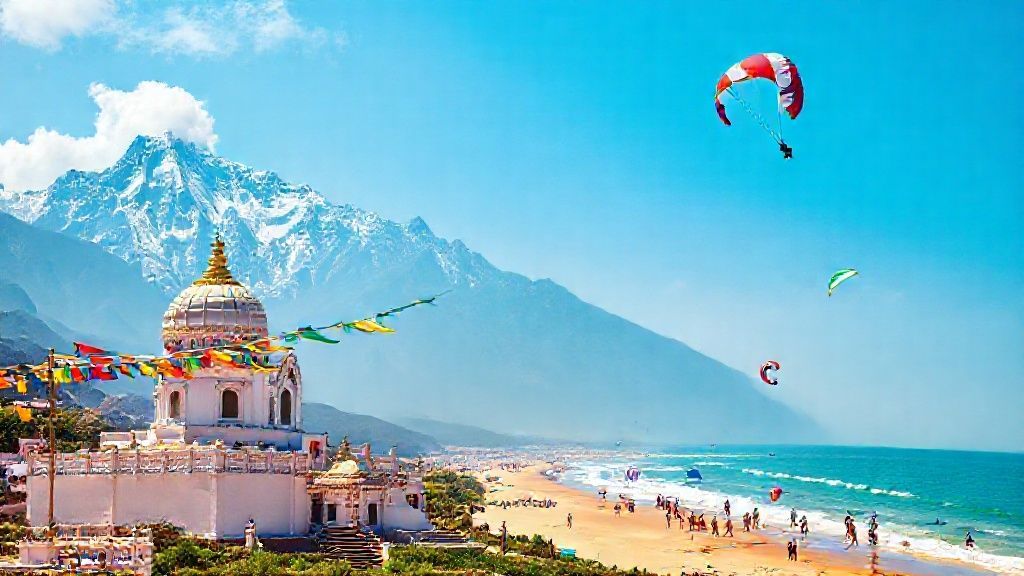
As the calendar flips to 2025, something remarkable is happening in India’s travel landscape. While Goa’s sun-kissed beaches and vibrant nightlife have long dominated travel searches, a quiet revolution is unfolding. Travelers are increasingly seeking destinations that offer more than just Instagram-worthy backdrops—they’re craving experiences that touch the soul, challenge perspectives, and offer genuine transformation. This shift represents more than just changing vacation preferences; it’s a fundamental rethinking of what travel means in a post-pandemic world where people are searching for deeper meaning and authentic connections.
The data speaks volumes. Search engines are witnessing unprecedented interest in spiritual destinations across India, with certain locations experiencing search volume increases of 300% or more compared to traditional beach destinations. This isn’t just about religious tourism—it’s about wellness tourism, cultural immersion, and the growing desire for experiences that balance external exploration with internal discovery. As stress levels rise in our hyper-connected world, more travelers are turning to destinations that offer peace, mindfulness, and a chance to reconnect with something larger than themselves.
Varanasi: The Eternal City That’s Capturing Modern Hearts
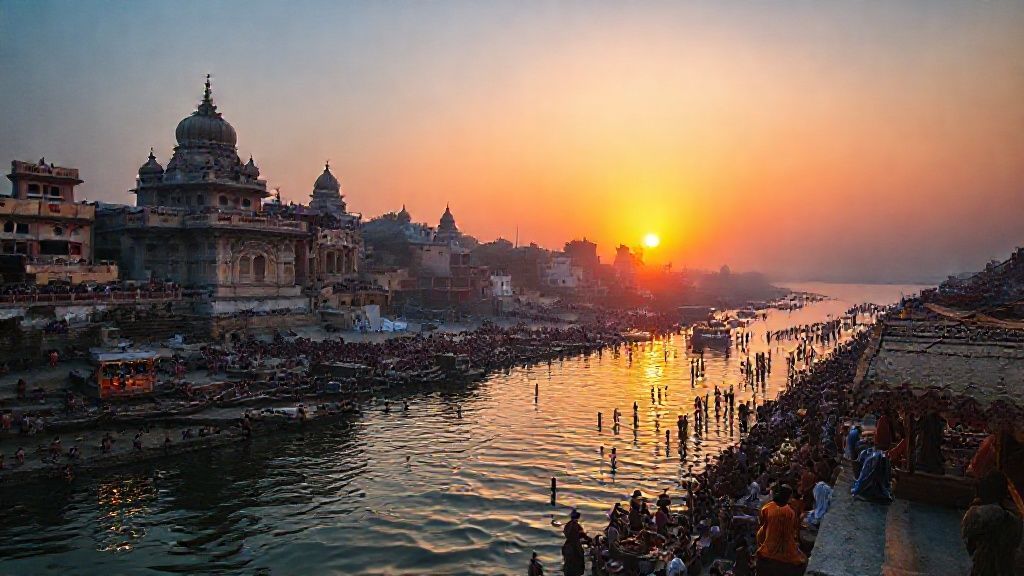
At the forefront of this spiritual travel revolution stands Varanasi, the world’s oldest continuously inhabited city and India’s holiest destination. What makes Varanasi particularly fascinating for 2025 travelers is its perfect blend of ancient tradition and modern accessibility. The city has evolved to welcome contemporary seekers while maintaining its timeless spiritual essence.
The Ganga Aarti Experience: More Than Just a Ritual

Every evening at Dashashwamedh Ghat, the Ganga Aarti ceremony unfolds in a spectacle of fire, sound, and devotion that has remained unchanged for centuries. But today’s travelers are experiencing it differently. They’re not just spectators; they’re participants in a living tradition. Many opt for boat rides during the ceremony, floating on the sacred Ganges as priests perform elaborate rituals with flaming lamps. The experience has become particularly popular among younger travelers who document their spiritual journeys through photography and video, creating content that inspires others to visit.
Beyond the Ghats: Varanasi’s Hidden Spiritual Corners
While the ghats receive most attention, savvy 2025 travelers are discovering Varanasi’s lesser-known spiritual sites. The city’s narrow alleys hide ancient temples, meditation centers, and yoga schools that offer authentic experiences away from the crowds.

The Banaras Hindu University campus, with its peaceful atmosphere and Bharat Kala Bhavan museum, provides context for understanding the city’s spiritual significance. Meanwhile, Sarnath—just 10 kilometers away—offers Buddhist pilgrims and history enthusiasts a chance to walk in Buddha’s footsteps at the site of his first sermon.

Why Spiritual Destinations Are Outpacing Traditional Beach Getaways
The surge in spiritual travel isn’t accidental. Several powerful trends are converging to make destinations like Varanasi more appealing than ever before. Understanding these trends helps explain why India’s most searched travel destinations for 2025 include such a strong spiritual component.
The Wellness Revolution Meets Travel
Wellness tourism has grown into a $4.2 trillion global industry, and spiritual destinations naturally align with this movement. Travelers are increasingly viewing vacations as opportunities for holistic healing—physical, mental, and spiritual. According to the Global Wellness Institute, wellness tourism is growing at nearly twice the rate of general tourism. Destinations that offer yoga, meditation, Ayurveda, and spiritual practices are perfectly positioned to benefit from this trend.
Unlike beach destinations that primarily offer relaxation, spiritual locations provide structured paths to personal growth. Many travelers report returning from spiritual journeys with changed perspectives, reduced stress, and renewed purpose—benefits that last long after the tan fades.
Digital Detox and Authentic Connection
In an age of constant digital stimulation, travelers are seeking experiences that force them to disconnect from devices and reconnect with themselves and others. Spiritual destinations naturally encourage this digital detox. The atmosphere in places like Varanasi’s ghats or Rishikesh’s ashrams makes smartphone use feel inappropriate, creating space for genuine human interaction and self-reflection.
This desire for authentic connection extends to cultural immersion. Travelers want to understand local traditions, participate in rituals (when appropriate), and form meaningful connections with residents. Spiritual destinations offer these opportunities in ways that beach resorts often cannot.
India’s Emerging Spiritual Hotspots for 2025
While Varanasi leads the pack, several other spiritual destinations are seeing significant search growth and deserve attention from 2025 travelers planning their journeys.
Rishikesh: The Yoga Capital of the World
Nestled in the Himalayan foothills along the Ganges, Rishikesh has transformed from a quiet pilgrimage town into a global yoga and meditation hub. What makes Rishikesh particularly appealing for 2025 travelers is its accessibility to international standards while maintaining authentic spiritual practices. The town offers everything from luxury wellness retreats to traditional ashrams where visitors can live simply and focus on spiritual development.
Key experiences include:
- Morning yoga sessions with views of the Ganges
- Meditation in ancient caves used by sages for centuries
- Ayurvedic treatments and consultations
- White-water rafting with spiritual guides who share river mythology
- Evening Ganga Aarti at Parmarth Niketan
Bodh Gaya: Where Enlightenment Happened
As the site where Buddha attained enlightenment, Bodh Gaya holds unique significance for Buddhist travelers and spiritual seekers of all backgrounds. The Mahabodhi Temple complex, a UNESCO World Heritage site, attracts visitors who come to meditate under the descendant of the original Bodhi Tree. For 2025 travelers, Bodh Gaya offers a particularly international spiritual experience, with monasteries from various Buddhist traditions (Thai, Japanese, Tibetan, etc.) creating a global village of spiritual practice.
Amritsar: Spiritual Majesty at the Golden Temple
The Golden Temple (Harmandir Sahib) represents one of India’s most powerful spiritual experiences, regardless of religious background. What makes Amritsar particularly compelling for 2025 travelers is the community kitchen (langar) that serves free meals to 100,000 people daily—a profound demonstration of equality and service. Visitors can participate in this tradition, experiencing Sikhism’s core values firsthand.
Practical Guide: Planning Your 2025 Spiritual Journey
Transitioning from beach vacations to spiritual journeys requires different planning approaches. Here’s how to make the most of India’s spiritual destinations in 2025.
Best Times to Visit Spiritual Destinations
Timing significantly impacts spiritual travel experiences. Unlike beach destinations that are best in specific seasons, spiritual sites often have optimal visiting periods based on festivals, weather, and crowd levels:
- Varanasi: October-March offers pleasant weather, with special consideration for Dev Deepawali (15 days after Diwali) when the ghats are illuminated with millions of lamps
- Rishikesh: September-November and February-June provide ideal conditions for yoga and meditation retreats
- Bodh Gaya: October-March avoids monsoon rains while offering opportunities to witness Buddhist festivals
- Amritsar: November-March provides comfortable temperatures for exploring the Golden Temple complex
Cultural Sensitivity and Participation Guidelines
Spiritual travel requires greater cultural awareness than typical tourism. Key considerations include:
- Dress modestly: Shoulders and knees should be covered when visiting temples and religious sites
- Photography restrictions: Always ask permission before photographing people or rituals
- Participation boundaries: Observe first, then ask if participation is appropriate—some rituals are reserved for devotees
- Donation etiquette: If making offerings, do so discreetly and without expectation
- Silence and respect: Many spiritual sites require quiet contemplation—respect these spaces
Accommodation Options: From Ashrams to Boutique Retreats
2025 travelers have more accommodation choices than ever in spiritual destinations:
- Traditional Ashrams: Offer authentic spiritual living with simple accommodations, vegetarian meals, and daily schedules including meditation and service
- Boutique Wellness Retreats: Combine spiritual practices with modern comforts, often including spa treatments and personalized programs
- Heritage Hotels: Converted havelis and palaces that offer cultural immersion with historical context
- Eco-Friendly Stays: Sustainable accommodations that align with spiritual values of harmony with nature
The Economic Impact: How Spiritual Tourism Is Transforming Local Communities
The rise of spiritual travel isn’t just changing traveler preferences—it’s having profound effects on local economies and communities across India.
Sustainable Tourism Development
Unlike mass tourism that can strain resources, spiritual tourism often promotes more sustainable practices. Many spiritual destinations are developing infrastructure that respects local culture and environment. For example, Rishikesh has implemented regulations limiting loud music and alcohol to preserve its spiritual atmosphere, while Varanasi’s ghat restoration projects balance tourist access with cultural preservation.
According to a United Nations World Tourism Organization report, cultural and spiritual tourism tends to distribute economic benefits more widely through local communities than resort-based tourism. Artisans, guides, small hotel owners, and food vendors all benefit from the increased visitor numbers.
Preservation of Cultural Heritage
The economic value generated by spiritual tourism provides funding for preserving India’s incredible cultural heritage. Temple restoration projects, traditional art revival programs, and cultural performance preservation all benefit from tourism revenue. This creates a virtuous cycle where tourism funds preservation, which in turn attracts more culturally interested travelers.
Beyond 2025: The Future of Spiritual Travel in India
The trends driving spiritual travel’s popularity show no signs of slowing. Several developments suggest that India’s spiritual destinations will continue to grow in importance through 2025 and beyond.
Technology Enhancing Spiritual Experiences
Paradoxically, technology is making spiritual travel more accessible while helping travelers disconnect during their journeys. Apps now offer virtual temple tours for planning, meditation guidance for preparation, and digital detox tools for the trip itself. Augmented reality experiences at historical sites provide context without disrupting the spiritual atmosphere.
Personalized Spiritual Journeys
2025 will see more customized spiritual travel experiences. Rather than one-size-fits-all packages, travelers can design journeys that match their specific interests—whether that’s yoga-focused retreats, meditation intensives, philosophical study programs, or service-based travel combining tourism with volunteer work.
Interfaith and Cross-Cultural Dialogue
India’s diverse spiritual landscape makes it ideal for travelers interested in comparative religious study and interfaith dialogue. Programs that allow visitors to experience multiple traditions—Hindu, Buddhist, Sikh, Jain, and others—are growing in popularity among spiritually curious travelers who want broad understanding rather than single-tradition immersion.
Making Your Choice: Spiritual Destination or Beach Vacation?
As you plan your 2025 travels, consider what you truly seek from your journey. Beach destinations like Goa offer undeniable pleasures: relaxation, entertainment, and natural beauty. But spiritual destinations offer something different: transformation, perspective, and connection.
The data clearly shows which direction travelers are leaning. Search volumes for spiritual destinations are growing at unprecedented rates because people are recognizing that the most valuable souvenirs aren’t material—they’re internal. The peace found during morning meditation in Rishikesh, the perspective gained watching sunset on the Ganges in Varanasi, the humility experienced serving meals in Amritsar’s langar—these are experiences that reshape how we see ourselves and our place in the world.
India’s spiritual destinations aren’t just beating Goa in search rankings; they’re offering something many modern travelers desperately need: a chance to slow down, look inward, and remember what matters. As 2025 approaches, more people are realizing that the most rewarding journeys don’t just take us to new places—they help us become new people. Whether you choose ancient Varanasi, serene Rishikesh, enlightening Bodh Gaya, or majestic Amritsar, you’re not just planning a vacation; you’re investing in personal growth that will resonate long after you return home.
The transformation happening in India’s travel landscape reflects a broader global shift toward meaningful experiences over mere consumption. As we move through 2025 and beyond, this trend will likely strengthen, with spiritual destinations continuing to capture hearts and search queries alike. The choice is yours: follow the crowd to familiar beaches, or join the growing movement of travelers discovering that the most beautiful destination might just be the one you find within yourself.