

The Spiritual Awakening: Why 2025 is India’s Year of Sacred Travel
As we approach 2025, a fascinating shift is occurring in India’s travel landscape. While sun-kissed beaches and vibrant nightlife continue to draw crowds, there’s a growing hunger for something deeper, more meaningful. Indian travelers—and international visitors alike—are increasingly seeking destinations that nourish the soul as much as they delight the senses. This isn’t just about ticking boxes on a tourist checklist; it’s about transformative experiences that reconnect us with ancient wisdom, cultural heritage, and our own inner peace.
The data speaks volumes. Search trends for 2025 reveal a remarkable surge in interest for spiritual destinations across India. From the sacred ghats of Varanasi to the serene monasteries of Ladakh, from the mystical temples of Tamil Nadu to the yoga ashrams of Rishikesh, travelers are looking beyond conventional holiday spots. They’re seeking places where history whispers through ancient stones, where rituals connect generations, and where the spiritual energy is palpable in the very air you breathe.
This movement represents more than just a travel trend—it’s a cultural renaissance. After years of global uncertainty, people are craving authentic connections, meaningful experiences, and opportunities for personal growth. India, with its unparalleled spiritual heritage spanning thousands of years, stands uniquely positioned to meet this demand. The country isn’t just offering destinations; it’s offering doorways to different ways of being, understanding, and experiencing life.
Beyond Goa: The New Spiritual Geography of India
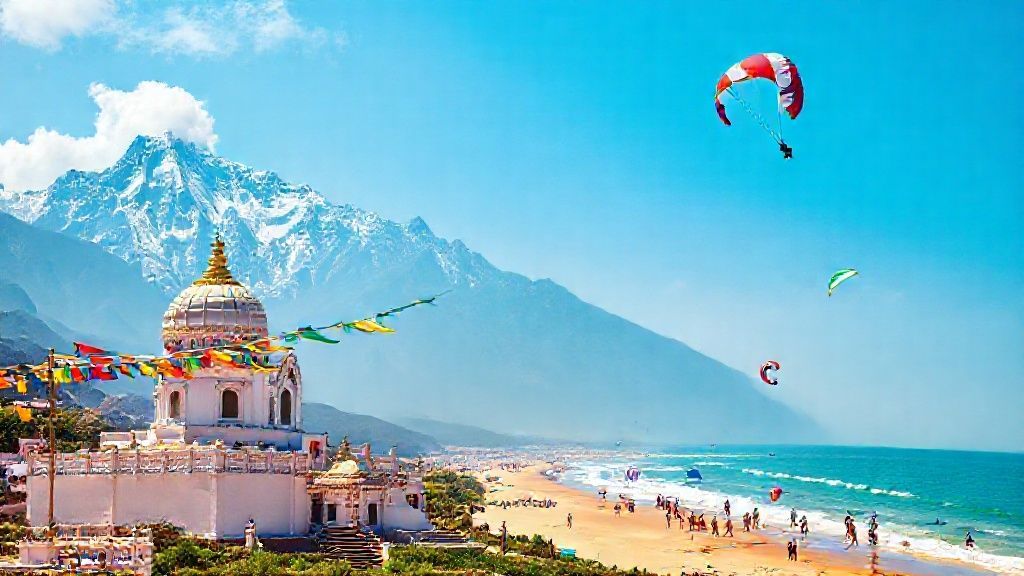
For decades, Goa has been India’s poster child for tourism—and understandably so. Its golden beaches, Portuguese architecture, and vibrant culture make it irresistible. But 2025 marks a turning point where travelers are looking beyond the familiar to discover India’s spiritual heartland. This doesn’t mean Goa is losing its charm; rather, it means India’s tourism narrative is expanding to include destinations that offer different kinds of richness.

The Northern Spiritual Circuit
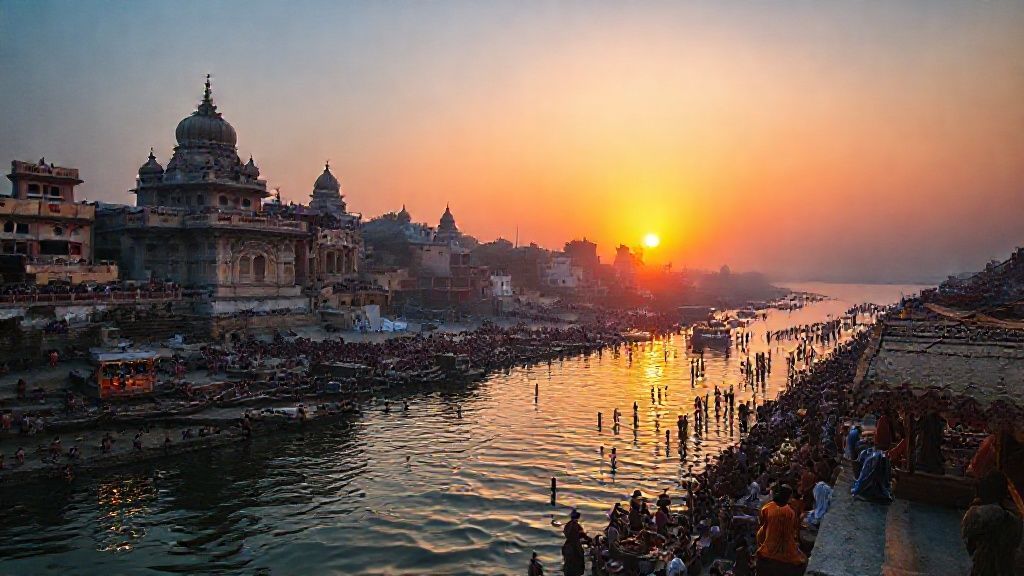
Northern India has always been the cradle of spiritual traditions, and 2025 sees renewed interest in its sacred sites. Varanasi, the world’s oldest continuously inhabited city, tops search lists not just for its religious significance but for its raw, unfiltered experience of life, death, and rebirth. The morning Ganga Aarti, the labyrinthine alleys, the ancient temples—all combine to create an experience that’s both overwhelming and profoundly moving.
Rishikesh, the yoga capital of the world, continues to evolve. Beyond its famous ashrams and yoga schools, travelers are discovering its eco-spiritual retreats, meditation centers, and adventure-spirituality fusion experiences. The search data shows particular interest in silent retreats, Ayurvedic wellness programs, and riverside meditation sessions that combine natural beauty with spiritual practice.

Amritsar’s Golden Temple represents a different kind of spiritual experience—one centered around community service, equality, and devotion. The langar (community kitchen) serving free meals to thousands daily has become a major draw for travelers seeking to understand Sikhism’s principles of selfless service and inclusivity.

The Southern Temple Trail
South India’s temple architecture and spiritual traditions are gaining unprecedented attention for 2025. The magnificent Brihadeeswarar Temple in Thanjavur, a UNESCO World Heritage site, isn’t just attracting history buffs but spiritual seekers drawn to its architectural perfection and cosmic symbolism. The temple’s design, aligned with celestial movements, offers insights into ancient India’s sophisticated understanding of astronomy, mathematics, and spirituality.
Kerala’s spiritual landscape is diversifying beyond its famous backwaters. The Sabarimala Temple pilgrimage, though restricted, has sparked interest in Kerala’s unique spiritual traditions. Meanwhile, travelers are discovering lesser-known temples like the Guruvayur Temple and spiritual centers that offer traditional Ayurvedic treatments combined with meditation and yoga.
Tamil Nadu’s temple towns—Madurai, Kanchipuram, and Tiruvannamalai—are seeing increased searches for their living temple traditions, where ancient rituals continue unchanged for centuries. The Arunachaleswarar Temple in Tiruvannamalai, associated with the sage Ramana Maharshi, attracts those interested in self-inquiry and Advaita philosophy.

The Rising Stars: Emerging Spiritual Destinations for 2025
While traditional spiritual centers maintain their appeal, 2025’s search trends reveal several emerging destinations that are capturing travelers’ imagination. These places offer unique spiritual experiences that blend tradition with contemporary approaches to wellness and self-discovery.
Ladakh’s Buddhist Heritage
Ladakh is no longer just an adventure destination. Search data shows growing interest in its ancient monasteries, meditation retreats in high-altitude settings, and opportunities to learn about Tibetan Buddhism. The Hemis Monastery, Thiksey Monastery, and Diskit Monastery are becoming sought-after destinations for those wanting to experience monastic life, participate in prayer ceremonies, and learn meditation techniques in breathtaking mountain settings.
The annual Hemis Festival, celebrating the birth of Guru Padmasambhava, has seen search increases of over 200% for 2025 dates. Travelers are particularly interested in immersive experiences that include staying in monastery guesthouses, learning from resident monks, and participating in daily rituals.
Pushkar’s Spiritual Marketplace
Pushkar, with its sacred lake and Brahma Temple, is evolving into a spiritual hub that blends traditional pilgrimage with contemporary wellness tourism. The town’s famous camel fair has always drawn crowds, but 2025 searches show increased interest in its year-round spiritual offerings: yoga and meditation centers, sound healing sessions, and workshops on various spiritual traditions.
What makes Pushkar unique is its ability to cater to diverse spiritual interests—from traditional Hindu rituals at the ghats to New Age wellness practices, all within walking distance of each other. This eclectic mix is proving particularly appealing to younger travelers seeking authentic spiritual experiences without rigid dogma.
Mcleodganj’s Tibetan Spirituality
Home to the Tibetan government-in-exile and the Dalai Lama, Mcleodganj offers a unique window into Tibetan Buddhist culture. Search trends indicate growing interest in meditation courses at Tushita Meditation Centre, traditional Tibetan medicine consultations, and opportunities to engage with the refugee community’s spiritual practices.
The town’s setting in the Dhauladhar range adds to its appeal, with many travelers seeking the combination of mountain trekking and spiritual learning. The search data shows particular interest in longer stays (2-4 weeks) for proper meditation retreats and cultural immersion.
Spiritual Travel Reimagined: New Trends for 2025
The way people approach spiritual travel is evolving dramatically. 2025 isn’t just about visiting sacred sites; it’s about immersive, transformative experiences that integrate spirituality into every aspect of the journey.
Digital Detox Spiritual Retreats
One of the most significant trends for 2025 is the demand for digital detox combined with spiritual practice. Retreat centers across India are offering packages that include device-free zones, guided meditation without technology, and opportunities to reconnect with nature and self without digital distractions. These retreats often combine traditional practices like yoga and meditation with nature walks, organic farming participation, and community service.
According to travel industry analysts, searches for “digital detox spiritual retreat India 2025” have increased by 300% compared to previous years. This reflects a growing awareness of how constant connectivity affects mental health and spiritual growth.
Family Spiritual Tourism
Another emerging trend is spiritual travel for families. Parents are increasingly seeking destinations that offer meaningful experiences for children alongside adult spiritual practices. This includes temple towns with engaging mythological storytelling sessions, ashrams with family yoga programs, and destinations where children can participate in age-appropriate rituals and cultural activities.
Places like Rishikesh and Pondicherry are developing specialized family spiritual tourism packages that balance adult meditation sessions with children’s activities centered around Indian mythology, traditional arts, and nature appreciation.
Spiritual Adventure Fusion
The line between adventure tourism and spiritual travel is blurring. Travelers are seeking experiences that combine physical challenges with spiritual growth—trekking to remote Himalayan monasteries, cycling temple trails in South India, or practicing yoga in unconventional settings like mountain peaks or forest clearings.
This trend is particularly strong among younger travelers who want active holidays but also seek meaningful experiences. Search data shows increased interest in “spiritual trekking,” “meditation and adventure combos,” and “yoga in nature” experiences across India’s diverse landscapes.
Practical Guide to Planning Your 2025 Spiritual Journey
Planning a spiritual trip to India requires different considerations than conventional tourism. Here’s what you need to know for your 2025 journey:
Best Times to Visit
Timing is crucial for spiritual travel in India. The winter months (October to March) are generally ideal for most destinations, but consider these specifics:
- Northern spiritual centers (Varanasi, Rishikesh, Amritsar): October to March offers pleasant weather
- Southern temple towns: November to February avoids extreme heat
- Mountain spiritual destinations (Ladakh, Dharamshala): May to September for accessible travel
- Festival periods: Plan around major spiritual festivals but book well in advance
Cultural Sensitivity and Etiquette
Spiritual sites require particular respect and understanding:
- Dress modestly, especially in temples and religious sites
- Remove shoes where required (carry easy-to-remove footwear)
- Ask permission before photographing rituals or people in prayer
- Learn basic customs of each religious site you plan to visit
- Consider hiring local guides who can explain traditions and protocols
Sustainable Spiritual Tourism
As spiritual destinations gain popularity, responsible travel becomes essential:
- Choose accommodations that support local communities
- Respect carrying capacities of sacred sites
- Support traditional artisans and local businesses
- Minimize plastic use and environmental impact
- Consider volunteering opportunities that give back to communities
For comprehensive travel guidelines and responsible tourism practices, visit the Incredible India official tourism website, which offers valuable resources for spiritual travelers.
The Future of Spiritual Travel in India
Looking beyond 2025, several developments suggest that spiritual tourism will continue to evolve and expand in India:
Infrastructure Improvements
The Indian government and private sector are investing in better infrastructure for spiritual destinations. This includes improved transportation to remote sites, better accommodation options that respect local architecture and environment, and facilities that cater to international visitors while preserving cultural authenticity.
Technology Integration
Paradoxically, technology is enhancing spiritual experiences. Virtual reality tours of inaccessible sites, apps for learning meditation techniques, and online platforms connecting travelers with authentic spiritual guides are making India’s spiritual heritage more accessible while maintaining its essence.
Holistic Wellness Integration
The lines between spiritual travel, wellness tourism, and medical tourism are blurring. India’s ancient systems of Ayurveda, yoga, and meditation are being integrated into comprehensive wellness packages that address physical, mental, and spiritual health.
Youth Engagement
Perhaps most promising is the growing interest among younger Indians in their spiritual heritage. This isn’t about blind tradition but about rediscovering ancient wisdom in contemporary contexts. This demographic shift ensures that India’s spiritual traditions will continue to evolve and remain relevant.
Embracing India’s Spiritual Diversity
What makes India’s spiritual landscape truly remarkable is its diversity. In 2025, travelers have the opportunity to experience:
- Hindu temple traditions with their elaborate rituals and architectural marvels
- Buddhist meditation practices in serene mountain settings
- Sikh principles of community service and equality
- Islamic Sufi traditions with their emphasis on divine love
- Jain principles of non-violence and asceticism
- Christian heritage in places like Goa and Kerala
- Indigenous tribal spirituality connected to nature and ancestors
This diversity isn’t just historical—it’s living and evolving. Each tradition offers unique insights and experiences, and together they create a spiritual tapestry unmatched anywhere in the world.
Making Your 2025 Spiritual Journey Meaningful
As you plan your spiritual travels in India for 2025, remember that the most meaningful experiences often come from unexpected moments and genuine connections. Here are final thoughts to guide your journey:
First, approach with an open mind rather than a checklist mentality. Spiritual growth often happens in quiet moments of reflection, in conversations with locals, or in simply being present in sacred spaces.
Second, balance popular destinations with lesser-known sites. While Varanasi and Rishikesh offer incredible experiences, sometimes smaller, less-visited temples or ashrams provide more intimate and transformative encounters.
Third, consider working with specialized spiritual travel planners who understand both the practical and experiential aspects of these journeys. They can help create itineraries that balance structure with spontaneity, group activities with personal reflection time.
Finally, remember that spiritual travel is ultimately about inner transformation. The destinations are merely settings for your personal journey. Whether you’re seeking peace, understanding, healing, or connection, India’s spiritual landscape offers countless pathways.
As 2025 approaches, the search trends clearly indicate that travelers are seeking more than just vacations—they’re seeking journeys that transform. India, with its ancient spiritual traditions living alongside contemporary innovations, stands ready to welcome those seeking meaning, peace, and connection in an increasingly complex world. The destinations are waiting, the traditions are alive, and the opportunity for personal transformation has never been more accessible.