

The Great Indian Travel Shift: Beyond the Usual Suspects

As we approach 2025, a fascinating transformation is sweeping across India’s travel landscape. Gone are the days when Goa was the automatic answer to every vacation query. Today’s Indian traveler is more curious, more adventurous, and more spiritually inclined than ever before. The search trends for 2025 reveal a nation rediscovering its roots while simultaneously exploring new frontiers. From ancient spiritual centers to emerging hill stations, from cultural capitals to untouched natural wonders, Indians are expanding their travel horizons in ways that would have seemed unimaginable just a few years ago.
This seismic shift isn’t just about changing preferences—it’s about evolving identities. The post-pandemic world has reshaped how we think about travel, with more people seeking meaningful experiences over mere Instagram backdrops. Wellness, spirituality, cultural immersion, and sustainable tourism are no longer niche interests but mainstream demands. The data from search engines and travel platforms paints a clear picture: Indians are looking for destinations that offer depth, authenticity, and transformation, not just sun, sand, and sea.
The Spiritual Renaissance: Ancient Cities Making a Modern Comeback
Varanasi: The Eternal City’s Digital Rebirth

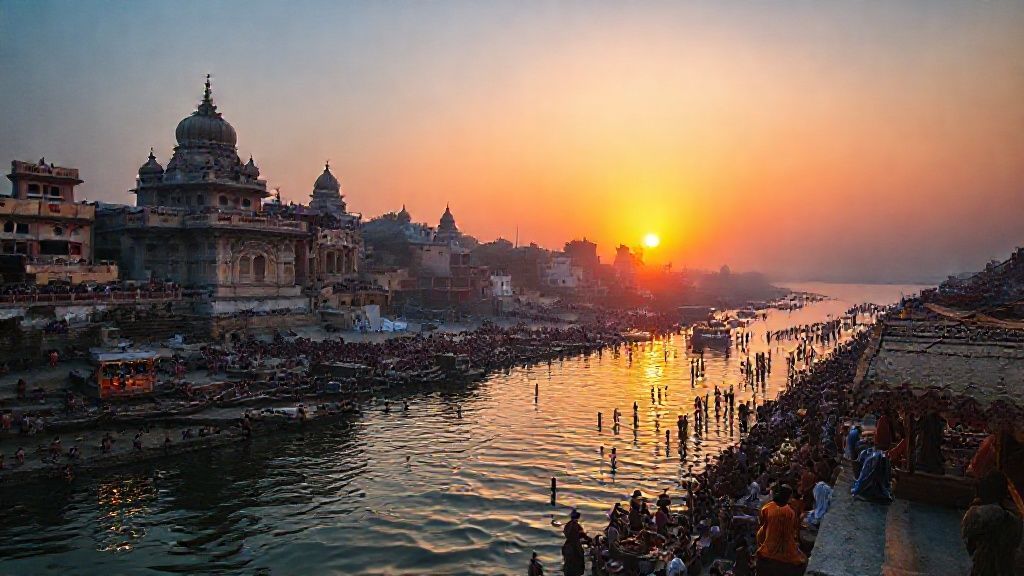
Varanasi, the world’s oldest continuously inhabited city, is experiencing an unprecedented surge in search interest for 2025. What’s driving this ancient city’s modern popularity? It’s a perfect storm of spiritual awakening, cultural curiosity, and digital accessibility. Millennials and Gen Z travelers, often stereotyped as purely materialistic, are showing remarkable interest in India’s spiritual heartland. The Ganga Aarti at Dashashwamedh Ghat, once witnessed primarily by devout pilgrims, now attracts thousands of young travelers seeking something beyond typical tourist experiences.

The city’s transformation includes improved infrastructure, better accommodation options ranging from heritage stays to boutique hotels, and curated experiences that make ancient rituals accessible to modern sensibilities. Yoga and meditation retreats along the Ganges, heritage walks through narrow galis, and culinary tours exploring Banarasi cuisine are creating a new narrative around what was once considered a destination only for the religiously inclined.
Rishikesh and Haridwar: The Yoga Capital’s Expanding Appeal

While Rishikesh has long been known as the yoga capital of the world, search trends for 2025 indicate a broadening of its appeal. Travelers are no longer just coming for yoga teacher training—they’re seeking adventure sports, wellness retreats, digital detox programs, and eco-tourism experiences. The Ganges here offers white-water rafting that rivals any international destination, while the surrounding Himalayan foothills provide trekking opportunities for all skill levels.
Haridwar, often seen as Rishikesh’s more traditional sibling, is also seeing increased interest, particularly for its grander religious ceremonies and festivals. The Kumbh Mela, though not in 2025, has created lasting interest in the city’s spiritual infrastructure. Both cities represent a growing trend: destinations that offer multiple dimensions of experience, from the sacred to the adventurous.
Hill Stations Reimagined: Beyond Shimla and Manali
Emerging Himalayan Gems
The classic hill stations—Shimla, Manali, Darjeeling—remain popular, but search data reveals a fascinating migration toward lesser-known Himalayan destinations. Places like Tawang in Arunachal Pradesh, Ziro Valley, and Spiti Valley are seeing exponential growth in search interest. These destinations offer what the classics often lack: relative solitude, authentic cultural experiences, and unspoiled natural beauty.
Tawang, with its breathtaking monasteries and proximity to the China border, appeals to both spiritual seekers and adventure enthusiasts. Ziro Valley, a UNESCO World Heritage site, attracts music lovers with its annual festival and cultural explorers with its unique Apatani tribe traditions. Spiti Valley continues to draw those seeking stark, otherworldly landscapes and ancient Buddhist monasteries perched precariously on mountain cliffs.
The Southern Hill Station Renaissance
While the Himalayas dominate hill station conversations, South India’s elevated retreats are making a strong showing in 2025 search trends. Coorg, often called the Scotland of India, is evolving beyond its coffee plantation identity to offer adventure activities, wildlife experiences, and luxury wellness retreats. Wayanad in Kerala is seeing particular interest for its combination of hills, forests, and waterfalls, appealing to both families and solo travelers.
Munnar’s tea gardens remain iconic, but travelers are now seeking experiences beyond the typical plantation tours—homestays with local families, guided nature walks focusing on endemic species, and culinary experiences featuring authentic Kerala hill cuisine. The common thread across all these emerging hill destinations is a move toward experiential travel rather than passive sightseeing.
Cultural Capitals: Where History Meets Contemporary Cool
Jaipur’s Evolution from Pink City to Creative Hub
Jaipur has long been a staple on the Golden Triangle circuit, but 2025 search trends reveal a city transforming. Beyond the Amber Fort and Hawa Mahal, travelers are discovering Jaipur’s burgeoning creative scene. The city’s design districts, featuring everything from traditional block printing to contemporary art galleries, are drawing design enthusiasts from across the globe. Food tourism has exploded, with travelers seeking not just royal thalis but also innovative Rajasthani fusion cuisine in chic cafes and restored havelis.
The city’s accommodation landscape has diversified dramatically, with heritage hotels offering authentic royal experiences alongside boutique properties focusing on design and sustainability. Jaipur Literature Festival, though not unique to 2025, has created year-round interest in the city’s intellectual and cultural life. According to Rajasthan Tourism, the state has seen a 40% increase in searches for experiential and cultural tourism packages compared to pre-pandemic levels.
Kolkata’s Unexpected Resurgence
While not traditionally topping travel lists, Kolkata is showing remarkable search growth for 2025. The city’s colonial architecture, literary heritage, and culinary scene are attracting a new generation of travelers. The annual Durga Puja, recognized by UNESCO as an intangible cultural heritage, has become a major draw, with travelers planning entire trips around the festival dates.
Kolkata’s intellectual atmosphere—evident in its coffee house culture, independent bookstores, and political discourse—appeals to travelers seeking destinations with substance and soul. The city’s transformation includes revitalized heritage neighborhoods, contemporary art spaces in former industrial buildings, and a food scene that balances century-old establishments with innovative new restaurants.
Coastal Transformations: Beyond Goa’s Beaches
Kerala’s Backwaters and Beyond
While Kerala has always been popular, 2025 search trends indicate a shift from generic houseboat experiences to more specialized offerings. Travelers are seeking sustainable backwater tourism, with eco-friendly houseboats and community-based tourism initiatives. The state’s Ayurveda tourism has evolved from spa treatments to comprehensive wellness retreats combining traditional medicine with yoga, meditation, and dietary programs.
Emerging coastal destinations in Kerala include Bekal, with its historic fort and relatively undeveloped beaches, and Marari, offering a quieter alternative to crowded Kovalam. The state’s diverse geography—from beaches to backwaters to hills—allows for multi-destination itineraries that appeal to travelers seeking variety within a single trip.
The Eastern Coastal Discovery
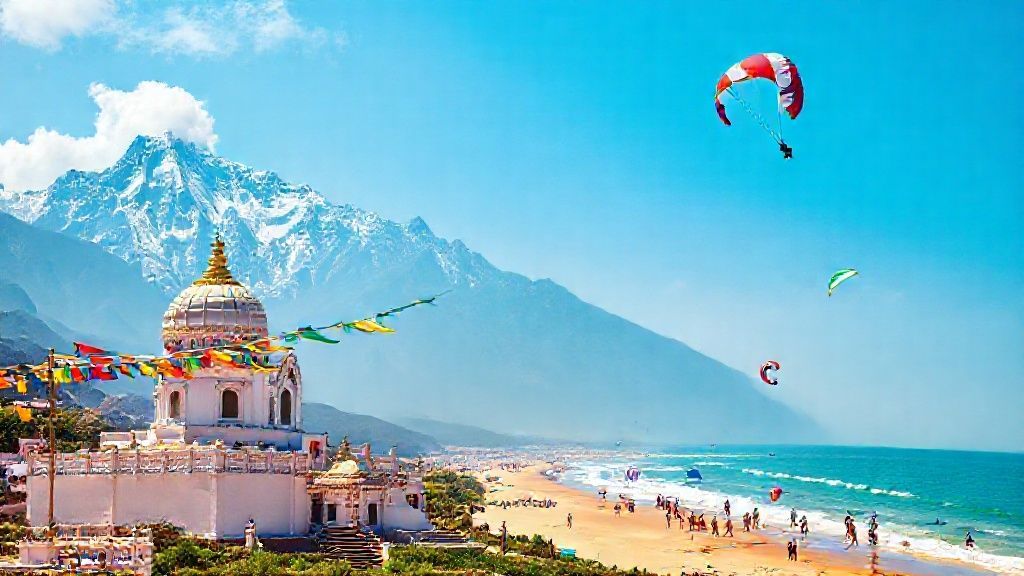
India’s eastern coastline, long overshadowed by Goa and Kerala, is finally getting its due. Puri in Odisha, with its combination of spiritual significance (Jagannath Temple) and natural beauty (Chandrabhaga Beach), is seeing growing interest. The Konark Sun Temple and annual Rath Yatra add cultural depth to the beach experience.
Further south, Tamil Nadu’s coastal temples—particularly the Shore Temple at Mahabalipuram—are attracting travelers interested in combining beach relaxation with cultural exploration. The state’s temple architecture, recognized by UNESCO, provides a unique backdrop for coastal tourism that goes beyond sunbathing.
The Adventure Frontier: Where Thrill Meets Sustainability
Ladakh’s Evolving Appeal
Ladakh continues to dominate adventure travel searches, but the nature of that interest is changing. While motorcycle trips across high mountain passes remain popular, there’s growing interest in sustainable adventure tourism. Travelers are seeking experiences that minimize environmental impact while maximizing cultural engagement—homestays in remote villages, guided treks focusing on local ecology, and community-based tourism initiatives.
The region’s unique Buddhist culture, combined with its dramatic landscapes, offers what few destinations can: adventure with spiritual depth. Monasteries like Hemis, Thiksey, and Diskit are no longer just sightseeing stops but places for meditation retreats and cultural immersion programs.
Northeast India’s Coming of Age
The seven sister states of Northeast India represent perhaps the most significant trend in 2025 search data. Long overlooked due to accessibility challenges and political concerns, these states are now capturing travelers’ imaginations. Improved air connectivity and better road infrastructure have made previously remote destinations accessible.
Meghalaya’s living root bridges, Nagaland’s tribal festivals, Assam’s tea gardens and wildlife sanctuaries, and Sikkim’s organic farming initiatives are all seeing increased search interest. What unites these diverse destinations is their commitment to sustainable tourism and preservation of indigenous cultures—exactly what today’s conscious traveler seeks.
The Wellness Wave: Destinations for Mind, Body, and Soul
Ayurveda’s Global Renaissance
India’s traditional wellness systems, particularly Ayurveda, are experiencing a global resurgence, and this is reflected in 2025 travel searches. While Kerala remains the epicenter, other regions are developing their wellness tourism offerings. Rishikesh combines yoga with Ayurveda, while destinations in Karnataka and Tamil Nadu are promoting their own traditional healing systems.
The modern wellness traveler seeks integrated experiences—combining traditional treatments with modern wellness practices, healthy cuisine with culinary education, and physical healing with mental and spiritual development. This holistic approach is driving interest in destinations that offer comprehensive wellness ecosystems rather than isolated spa treatments.
Digital Detox Destinations
In our hyper-connected world, destinations offering genuine digital detox opportunities are seeing remarkable search growth. Remote Himalayan villages, islands with limited connectivity, and retreat centers with intentional technology policies are attracting travelers seeking to disconnect and recharge.
These destinations often combine natural beauty with simple living—organic farming, meditation, nature immersion, and community engagement. The appeal lies not in luxury amenities but in authentic experiences that facilitate genuine rest and reflection.
Urban Explorations: India’s Cities Get Creative
Hyderabad’s Food and Tech Fusion
Hyderabad, long known for its IT industry and historic sites, is emerging as a food tourism destination. Beyond the iconic biryani, travelers are discovering the city’s diverse culinary heritage—from Irani cafes to Telangana tribal cuisine to contemporary fine dining. The city’s tech wealth has funded a cultural renaissance, with new museums, art galleries, and performance spaces adding depth to the traditional Charminar-Golconda itinerary.
Mumbai’s Maximum City Minimum Stress
While Mumbai has always been a business destination, 2025 search trends show growing interest in the city as a leisure destination. Travelers are discovering Mumbai’s diverse neighborhoods, each with its own character—from the colonial architecture of South Mumbai to the artistic energy of Bandra to the street food paradise of Juhu. The city’s improving public spaces, including revitalized waterfronts and parks, are making it more appealing for relaxed exploration.
The Sustainable Travel Imperative
Perhaps the most significant trend underlying all 2025 search data is the growing importance of sustainable and responsible tourism. Travelers are actively seeking destinations and operators committed to environmental conservation, community benefit, and cultural preservation. This isn’t just a niche concern but a mainstream expectation influencing destination choices across categories.
Destinations that demonstrate genuine commitment to sustainability—through waste management, water conservation, renewable energy, fair employment practices, and cultural sensitivity—are gaining competitive advantage. The search data suggests that sustainability is no longer a nice-to-have but a must-have for destinations hoping to attract the modern Indian traveler.
Planning Your 2025 Indian Adventure
As you consider your travel plans for 2025, several practical considerations emerge from the search trends. First, flexibility is key—popular destinations may require advance booking, but emerging destinations might offer more spontaneity. Second, consider combining multiple types of experiences in a single trip—spiritual, cultural, adventure, and wellness. Third, research sustainable tourism practices and choose operators who align with your values.
The most exciting aspect of India’s 2025 travel landscape is its diversity. Whether you seek spiritual awakening in ancient cities, adventure in remote mountains, cultural immersion in historic capitals, or wellness in natural settings, India offers destinations that not only meet but exceed modern traveler expectations. The search trends reveal a nation ready to welcome travelers with experiences that are authentic, meaningful, and transformative—exactly what the post-pandemic world seems to crave.
As we look toward 2025, one thing is clear: Indian travelers are leading a quiet revolution in how we experience our own country. They’re seeking depth over superficiality, authenticity over commercialization, and transformation over mere transportation. The destinations rising to meet these demands aren’t just places on a map—they’re portals to different ways of being, thinking, and experiencing the world. And that, perhaps, is the most exciting travel trend of all.