

Why 2025 is the Year of Transformative Travel for Indians
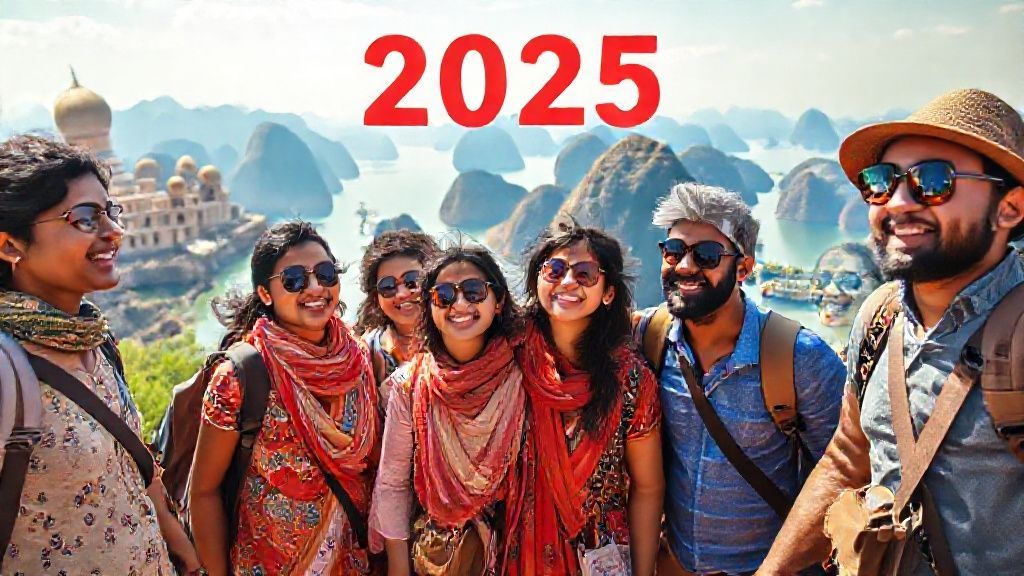
As we approach 2025, Indian travelers are redefining what it means to explore the world. Gone are the days when travel was just about ticking off tourist spots from a checklist. Today’s Indian traveler seeks immersive experiences, cultural authenticity, and meaningful connections with destinations that resonate with their evolving sensibilities. The post-pandemic era has fundamentally shifted travel priorities, with Indians now prioritizing wellness, sustainability, and off-the-beaten-path adventures alongside traditional leisure pursuits.
The travel landscape for Indians in 2025 reflects this transformation beautifully. From rediscovering hidden gems within India to venturing to international destinations that offer unique value propositions, Indian travelers are becoming more sophisticated, adventurous, and discerning. This year promises to be particularly exciting as new visa policies, improved flight connectivity, and a growing appetite for experiential travel converge to create unprecedented opportunities for exploration.

Domestic Destinations That Are Redefining Indian Travel
1. Ladakh’s Sustainable Tourism Revolution
Ladakh continues to captivate Indian travelers, but 2025 brings a new dimension to this Himalayan paradise. The region is pioneering sustainable tourism initiatives that allow visitors to experience its breathtaking landscapes while minimizing environmental impact. Homestays in remote villages, solar-powered campsites, and community-led conservation projects are becoming the norm rather than the exception. Travelers can now participate in traditional farming practices, learn about Ladakhi architecture, and contribute to local conservation efforts while enjoying the majestic beauty of Pangong Lake and Nubra Valley.
The winter months are particularly magical, with frozen lakes creating surreal landscapes perfect for photography enthusiasts. Adventure seekers can explore ice climbing opportunities, while cultural enthusiasts can witness traditional festivals that have been preserved for centuries. What makes Ladakh truly special in 2025 is its commitment to responsible tourism—a model that other destinations are beginning to emulate.

2. Kerala’s Wellness and Ayurveda Renaissance
Kerala has long been celebrated for its backwaters and beaches, but 2025 marks the year when the state fully embraces its wellness heritage. Ayurvedic retreats are evolving beyond traditional treatments to offer holistic wellness programs that combine ancient wisdom with modern science. These programs typically include personalized diet plans, yoga and meditation sessions, detox therapies, and lifestyle consultations—all set against Kerala’s serene natural backdrop.
The backwaters are being reimagined as floating wellness centers, with houseboats offering specialized Ayurvedic treatments and meditation sessions. Meanwhile, the hill stations of Munnar and Wayanad are becoming hubs for forest bathing and nature therapy. Kerala’s approach to wellness tourism is comprehensive, addressing physical, mental, and spiritual well-being in ways that resonate deeply with today’s health-conscious Indian travelers.

3. Goa’s Cultural and Culinary Evolution
Goa in 2025 is shedding its party-only image to reveal a rich tapestry of cultural experiences that appeal to a broader demographic. Beyond the beaches, travelers are discovering Goa’s Portuguese heritage through restored colonial homes, traditional bakeries, and heritage walks in Fontainhas—Asia’s only Latin Quarter. The food scene has evolved dramatically, with farm-to-table restaurants, cooking classes featuring Goan-Portuguese fusion cuisine, and sustainable seafood experiences becoming major attractions.
What’s particularly exciting is the emergence of experiential stays in Goan villages, where travelers can participate in toddy tapping, pottery making, and traditional fishing methods. The monsoon season, once considered off-season, is now celebrated with monsoon festivals, spice plantation tours, and waterfall adventures. Goa’s transformation demonstrates how established destinations can reinvent themselves to meet changing traveler expectations.
4. Rajasthan’s Heritage Conservation Initiatives
Rajasthan continues to enchant travelers, but 2025 brings a renewed focus on heritage conservation and community engagement. Jaipur’s historic havelis are being restored as boutique hotels that offer immersive cultural experiences, including miniature painting workshops, traditional music performances, and royal cuisine tastings. Udaipur’s lake palaces are implementing sustainable practices while maintaining their regal charm, and Jodhpur’s Mehrangarh Fort is offering behind-the-scenes conservation tours.
The Thar Desert is becoming a laboratory for sustainable tourism, with eco-friendly camps that use solar power and promote water conservation. Travelers can participate in desert conservation projects, learn about traditional water harvesting techniques, and experience authentic Rajasthani hospitality in remote villages. This approach preserves Rajasthan’s cultural heritage while ensuring that tourism benefits local communities.

International Destinations Gaining Popularity Among Indian Travelers
5. Vietnam’s Emerging Appeal
Vietnam is rapidly becoming a favorite among Indian travelers seeking value, culture, and natural beauty. The country offers an intriguing blend of French colonial architecture, ancient temples, stunning landscapes, and vibrant street food culture—all at prices that are significantly more affordable than many other Southeast Asian destinations. Hanoi’s Old Quarter provides an authentic glimpse into traditional Vietnamese life, while Halong Bay’s limestone karsts create one of the world’s most breathtaking seascapes.
What makes Vietnam particularly appealing in 2025 is its improved connectivity with India and simplified visa processes. The culinary scene is another major draw, with cooking classes, street food tours, and market visits allowing travelers to explore Vietnam’s rich gastronomic heritage. From the lantern-lit streets of Hoi An to the bustling markets of Ho Chi Minh City, Vietnam offers diverse experiences that cater to different travel preferences.
6. Georgia’s European Charm Without the Schengen Hassle
Georgia has emerged as a surprising favorite among Indian travelers, offering European charm without the complexities of Schengen visa requirements. The country’s visa-free policy for Indian passport holders, combined with its stunning Caucasus Mountains, ancient monasteries, and renowned wine culture, makes it an irresistible destination. Tbilisi’s cobblestone streets, sulfur baths, and vibrant arts scene provide urban delights, while the wine regions of Kakheti offer immersive viticulture experiences.
The Georgian hospitality tradition of “supra”—elaborate feasts with endless toasts—resonates deeply with Indian cultural values of warmth and generosity. Adventure seekers can explore the Svaneti region’s medieval towers and hiking trails, while food enthusiasts can indulge in khinkali (dumplings) and khachapuri (cheese-filled bread). Georgia represents the perfect blend of accessibility, affordability, and authentic experiences that Indian travelers increasingly seek.
7. Japan’s Cherry Blossom and Cultural Immersion Experiences
Japan continues to fascinate Indian travelers, but 2025 brings new dimensions to this exploration. Beyond Tokyo’s neon lights and Kyoto’s temples, travelers are discovering Japan’s lesser-known regions and seasonal wonders. The cherry blossom season remains a major draw, but now travelers are also exploring autumn foliage, winter illuminations, and summer festivals across different prefectures.
Cultural immersion programs are becoming increasingly popular, with opportunities to stay in traditional ryokans, participate in tea ceremonies, learn calligraphy, and even try samurai sword techniques. Japan’s efficient public transportation system makes it easy to explore diverse regions, from the snow festivals of Hokkaido to the tropical beaches of Okinawa. The country’s meticulous attention to detail, exceptional service culture, and unique blend of tradition and innovation continue to captivate Indian travelers.
Emerging Trends Shaping Indian Travel in 2025

Solo and Female Travel
One of the most significant trends in 2025 is the dramatic increase in solo travel, particularly among Indian women. Destinations are responding by enhancing safety measures, creating women-only accommodations, and offering specialized tours that cater to solo female travelers. This trend reflects growing confidence, financial independence, and a desire for self-discovery among Indian women.
Workations and Digital Nomadism
The remote work revolution has given rise to the “workation” trend, where travelers combine work and leisure in inspiring locations. Destinations are developing co-living spaces with reliable internet, comfortable workspaces, and community-building activities. This trend allows travelers to extend their stays while maintaining productivity, creating new opportunities for deeper cultural immersion.
Regenerative Tourism
Indian travelers are increasingly seeking experiences that contribute positively to destinations rather than merely consuming them. Regenerative tourism goes beyond sustainability to actively improve environmental and social conditions. Travelers are participating in coral reef restoration, wildlife conservation projects, and community development initiatives, creating meaningful connections with the places they visit.
Practical Considerations for 2025 Travel Planning
Visa Policies and Travel Documentation
Staying updated on visa policies is crucial for 2025 travel planning. Many countries are introducing digital nomad visas, longer tourist visas, and simplified application processes. The implementation of biometric systems and digital health certificates may also affect travel documentation requirements. Planning well in advance and consulting official government sources is essential for smooth travel experiences.
Sustainable Travel Practices
Adopting sustainable travel practices is no longer optional—it’s becoming an expectation. This includes choosing eco-friendly accommodations, minimizing plastic use, supporting local businesses, and respecting cultural norms. Many destinations are implementing tourist caps and seasonal restrictions to protect fragile ecosystems, so flexibility in travel planning is increasingly important.
Travel Insurance and Health Considerations
Comprehensive travel insurance that covers medical emergencies, trip cancellations, and adventure activities is essential for 2025 travel. Health considerations extend beyond COVID-19 to include vaccinations for region-specific diseases and awareness of local healthcare facilities. Travelers should also consider mental well-being, with many opting for destinations that offer wellness programs and stress-reduction activities.
The Future of Indian Travel: What Comes Next?
As we look beyond 2025, several trends suggest exciting developments in Indian travel. Space tourism, though still in its infancy, may become more accessible. Virtual reality previews of destinations could revolutionize trip planning. Artificial intelligence might personalize travel recommendations based on individual preferences and past experiences. However, the fundamental human desire for authentic connections, cultural exchange, and transformative experiences will remain at the heart of travel.
The destinations highlighted here represent just the beginning of what’s possible for Indian travelers in 2025. As travel becomes more accessible, sustainable, and meaningful, the opportunities for exploration and self-discovery are limitless. Whether rediscovering India’s hidden treasures or venturing to international destinations that offer unique cultural exchanges, 2025 promises to be a landmark year for Indian travelers seeking to expand their horizons and create lasting memories.
The key to making the most of these opportunities lies in thoughtful planning, cultural sensitivity, and an openness to unexpected experiences. By embracing both the familiar and the unfamiliar, Indian travelers can contribute to a more connected, understanding, and sustainable world—one journey at a time.