

Why Winter is India’s Best-Kept Travel Secret
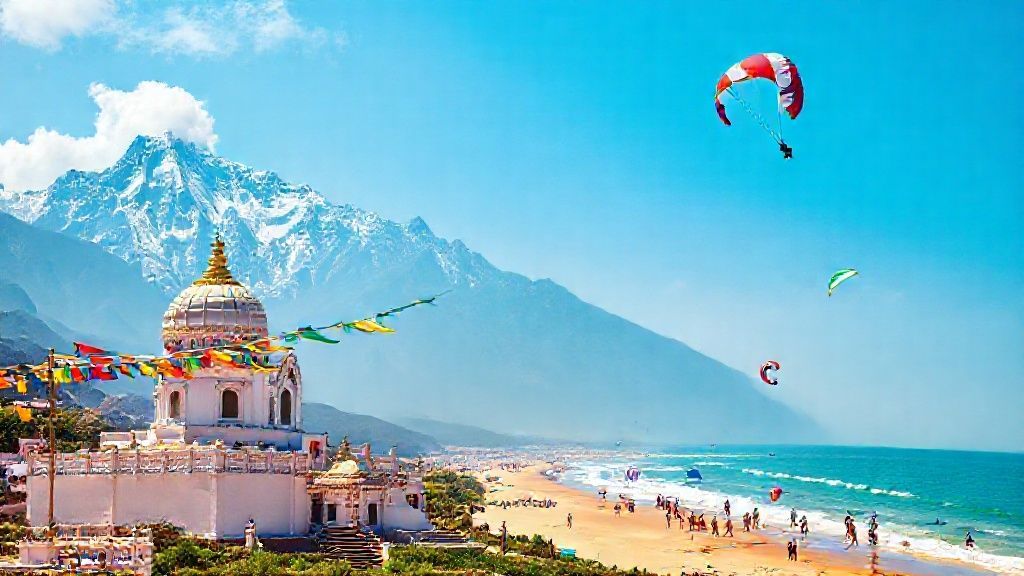
As the crisp winter air sweeps across the subcontinent, India transforms into a traveler’s paradise unlike any other season. While summer heat can be oppressive and monsoon rains unpredictable, winter unveils India’s true splendor—from snow-capped Himalayan peaks to sun-drenched southern beaches, all bathed in perfect weather. This magical season, typically spanning November through February, offers the ideal conditions to explore India’s incredible diversity without weather-related limitations.
What makes Indian winter destinations particularly special is their remarkable variety. You can literally go from skiing in the Himalayas to sunbathing on tropical beaches within the same trip. The moderate temperatures (typically 10-25°C across most regions) make sightseeing comfortable, outdoor activities enjoyable, and long-distance travel pleasant. Whether you’re seeking adventure, cultural immersion, spiritual experiences, or simply relaxation, India’s winter landscape offers something extraordinary for every type of traveler.
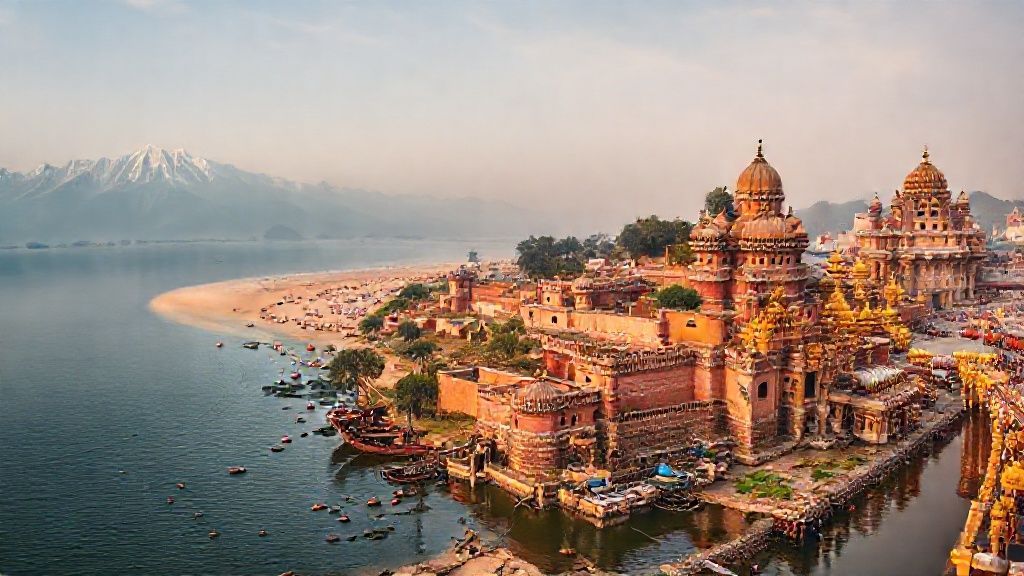
This comprehensive guide will take you through the top 5 Indian winter destinations that promise unforgettable experiences. We’ve curated this list based on weather conditions, accessibility, unique seasonal offerings, and overall visitor satisfaction. Each destination represents a different facet of India’s winter charm, ensuring you find the perfect match for your travel preferences.
1. Manali: The Himalayan Winter Wonderland

Nestled in the Kullu Valley of Himachal Pradesh, Manali stands as India’s premier winter destination for snow lovers and adventure enthusiasts. At an elevation of 2,050 meters, this picturesque hill station transforms into a magical winter wonderland from December through February, with temperatures often dropping below freezing and regular snowfall blanketing the landscape in pristine white.
What Makes Manali Special in Winter

Manali’s winter appeal goes far beyond just snow. The region offers a perfect blend of natural beauty, adventure sports, and cultural experiences. The Beas River, which flows through the valley, creates stunning frozen landscapes, while the surrounding deodar and pine forests take on an ethereal quality when dusted with snow. The contrast between traditional wooden houses with snow-laden roofs against the backdrop of towering Himalayan peaks creates postcard-perfect scenes at every turn.
Must-Experience Winter Activities

- Skiing and Snowboarding: Solang Valley, just 14 km from Manali, offers some of North India’s best skiing opportunities with slopes suitable for beginners and experts alike
- Snow Trekking: Guided treks to nearby villages like Old Manali or to higher altitudes offer breathtaking winter vistas
- Hot Water Springs: The natural hot springs at Vashisht Temple provide warm respite from the cold
- Winter Festivals: Local celebrations and cultural events add to the seasonal charm
- Cable Car Rides: The Solang Valley ropeway offers panoramic views of snow-covered mountains
For those interested in winter sports development in India, the Ski India organization provides valuable resources about skiing infrastructure and safety standards across Himalayan destinations.
Practical Information for Winter Visitors
December to February is peak season, so advance booking is essential. The nearest airport is Bhuntar (50 km away), with good road connectivity from Delhi (approximately 14 hours by road). Pack heavy woolens, thermal wear, waterproof boots, and necessary medications for altitude. Many hotels offer special winter packages including bonfire nights and traditional Himachali meals.
2. Goa: Winter Sun and Festive Cheer
While northern India embraces the cold, Goa enjoys its most pleasant season from November to February, with temperatures ranging from 20-32°C. This coastal paradise offers the perfect escape for those seeking winter sun, golden beaches, and vibrant cultural experiences without the oppressive heat of other seasons.
The Dual Charm of Goa’s Winter
Goa presents two distinct winter experiences: the lively, tourist-friendly North Goa beaches like Calangute and Baga, and the serene, laid-back South Goa stretches including Palolem and Agonda. Both offer excellent conditions for water sports, beach relaxation, and exploration of Portuguese-influenced architecture and cuisine.
Seasonal Highlights and Events
- Christmas and New Year Celebrations: Goa comes alive with festive decorations, midnight masses, and spectacular fireworks
- Sunburn Festival: Asia’s largest electronic dance music festival typically occurs in late December
- Ideal Water Conditions: Calm seas perfect for swimming, dolphin watching, and water sports
- Wildlife Spotting: Winter is excellent for bird watching at Dr. Salim Ali Bird Sanctuary
- Spice Plantation Tours: Pleasant weather makes exploring inland attractions comfortable
Beyond the Beaches: Cultural Exploration
Winter provides the perfect opportunity to explore Goa’s rich heritage without humidity discomfort. Visit the Basilica of Bom Jesus (a UNESCO World Heritage Site), explore Old Goa’s churches, wander through Fontainhas Latin Quarter, and experience local markets like Anjuna Flea Market. The cooler evenings are ideal for beach shacks offering fresh seafood and live music.
3. Kerala: God’s Own Country in Perfect Weather
Kerala’s winter season (November to February) showcases this southern state at its absolute best. With temperatures ranging from 20-32°C and minimal rainfall, you can experience everything from backwater cruises to hill station visits under ideal conditions.
The Backwater Experience
Winter is arguably the best time for Kerala’s famous houseboat cruises through the Alleppey backwaters. The calm waters, clear skies, and comfortable temperatures create magical experiences as you glide past palm-fringed waterways, observing daily life in waterside villages. The reduced mosquito activity compared to other seasons makes the experience more enjoyable.
Hill Stations and Wildlife
- Munnar: The tea plantations are lush green, and the cool climate (10-25°C) is perfect for exploring
- Wayanad: Ideal for trekking, visiting waterfalls, and wildlife spotting in comfortable conditions
- Thekkady: Periyar Wildlife Sanctuary offers better animal sightings as animals come to water sources
- Kovalam and Varkala: Beach conditions are excellent with calm seas for swimming
Ayurvedic Rejuvenation
Winter is considered an ideal time for Ayurvedic treatments in Kerala. The moderate climate enhances the effectiveness of therapies, and many resorts offer special winter wellness packages combining traditional treatments with yoga and meditation.
4. Jaipur: The Pink City’s Royal Winter

Rajasthan’s capital city becomes particularly inviting during winter months (November to February), when daytime temperatures range from 10-25°C—perfect for exploring its magnificent forts, palaces, and bazaars without the extreme heat that characterizes other seasons.
Architectural Exploration in Comfort
The pleasant weather allows for extensive exploration of Jaipur’s UNESCO World Heritage sites. You can comfortably climb to the top of Amber Fort, explore the sprawling City Palace complex, admire the precision of Jantar Mantar’s astronomical instruments, and photograph the iconic Hawa Mahal without battling heat exhaustion.
Cultural Experiences and Festivals
- Winter Festivals: Various cultural events and heritage walks are organized during this season
- Desert Safaris: Day trips to nearby desert areas are comfortable and scenic
- Shopping in Bazaars: Johari Bazaar and Bapu Bazaar offer perfect conditions for bargaining and exploration
- Food Tours: Sample Rajasthani cuisine at local eateries without summer’s heat affecting appetite
- Elephant Experiences: Visit elephant villages and conservation centers in pleasant weather
Day Trips and Extended Exploration
Winter’s comfortable temperatures make day trips to nearby attractions particularly rewarding. Consider visiting the monkey temple at Galta Ji, the abandoned city of Bhangarh (reportedly one of India’s most haunted places), or taking a longer excursion to Pushkar or Ranthambore National Park for tiger spotting.
5. Varanasi: Spiritual Winter on the Ganges
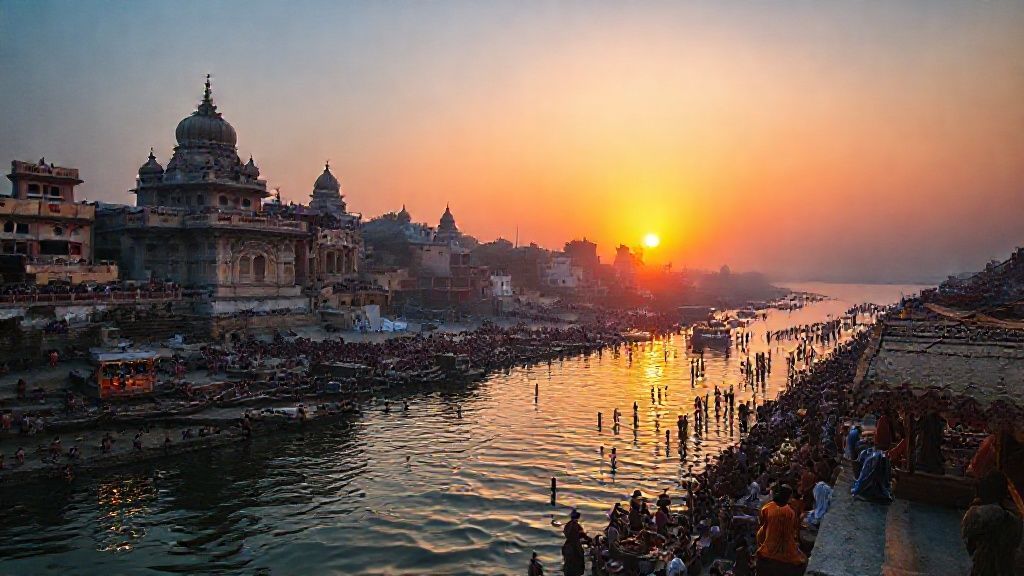
Varanasi, one of the world’s oldest continuously inhabited cities, takes on a particularly mystical quality during winter months (November to February). The cooler temperatures (8-20°C) and frequent morning fog create an atmospheric setting for spiritual exploration along the sacred Ganges River.
The Ghat Experience in Winter
Winter mornings along the ghats are magical, with ethereal fog often shrouding the river and ancient steps. The famous Ganga Aarti ceremony becomes even more atmospheric in the crisp evening air. Boat rides at sunrise are particularly special, as the winter sun breaks through the mist to illuminate the riverside architecture.
Spiritual and Cultural Immersion
- Temple Exploration: Comfortable temperatures allow for extensive temple visits without heat discomfort
- Yoga and Meditation: Many ashrams offer winter retreats and courses
- Cultural Performances: Classical music and dance events are frequently organized
- Local Markets: Explore silk weaving centers and traditional crafts in pleasant conditions
- University Visits: Benaras Hindu University campus is beautiful during winter
Practical Considerations for Winter Visitors
Pack layers as temperatures can vary significantly between day and night. Mornings can be quite chilly, especially near the river. Winter is peak pilgrimage season, so accommodations should be booked well in advance. The reduced humidity makes photography conditions excellent throughout the day.
Planning Your Indian Winter Getaway: Essential Tips
Successfully navigating India’s winter destinations requires some strategic planning. Here are key considerations to ensure your trip is memorable for all the right reasons.
Timing Your Visit
While November through February generally constitutes winter across India, optimal timing varies by region:
- December-January: Peak winter for northern destinations like Manali (heaviest snowfall)
- November-February: Ideal for Rajasthan, Goa, and Kerala
- January-February: Best for Varanasi and eastern India
- Festival Periods: Christmas/New Year and Republic Day (January 26) see increased domestic travel
Packing Strategically
India’s winter diversity demands versatile packing:
- Northern Destinations: Heavy woolens, thermal wear, waterproof boots, gloves, and caps
- Central and Western India: Light woolens or jackets for evenings, comfortable daywear
- Southern Destinations: Light layers, beachwear, and sun protection
- Universal Items: Comfortable walking shoes, medications, power adapters, and copies of important documents
Transportation Considerations
Winter travel in India presents unique transportation challenges and opportunities:
- Flight Disruptions: Himalayan regions may experience flight cancellations due to weather
- Road Conditions: Mountain roads may require chains or 4WD vehicles
- Train Travel: Comfortable option for longer distances between regions
- Local Transport: Pre-book airport transfers and inter-city travel during peak periods
Beyond the Top 5: Honorable Mentions
While our top 5 destinations represent the cream of India’s winter offerings, several other locations deserve consideration for specific interests:
For Snow Enthusiasts
Gulmarg, Kashmir: Offers some of India’s best skiing with the world’s highest gondola. Auli, Uttarakhand: Excellent skiing destination with panoramic Himalayan views. Shimla, Himachal Pradesh: Classic hill station with colonial charm and occasional snowfall.
For Cultural Explorers
Udaipur, Rajasthan: The “City of Lakes” is magical in winter with palace views and cultural events. Khajuraho, Madhya Pradesh: Perfect weather for exploring the famous temple complex. Mysore, Karnataka: Pleasant conditions for palace visits and cultural immersion.
For Wildlife Lovers
Ranthambore National Park, Rajasthan: Excellent tiger spotting conditions. Kaziranga National Park, Assam: Ideal for rhino sightings before the park closes in monsoon. Corbett National Park, Uttarakhand: Comfortable safari conditions with good animal visibility.
Making the Most of Your Winter Experience
To truly maximize your Indian winter journey, consider these experiential tips that go beyond standard tourism:
Embrace Seasonal Cuisine
Each region offers winter-specific culinary delights. In the north, enjoy hearty dishes like sarson ka saag with makki ki roti. Rajasthan offers rich, warming curries perfect for cooler evenings. Coastal regions serve the freshest seafood catches. Don’t miss seasonal sweets and hot beverages available at street stalls.
Participate in Local Winter Traditions
From bonfire nights in Himalayan villages to Christmas celebrations in Goa’s churches, winter brings unique cultural expressions. Engage with local festivals, even small village gatherings, to experience authentic Indian hospitality and traditions.
Balance Your Itinerary
Consider combining destinations for a varied experience. A common successful combination includes: Himalayan adventure (3-4 days) + cultural exploration in Rajasthan (4-5 days) + beach relaxation in Goa (3-4 days). This approach lets you experience India’s incredible diversity within a single trip.
Photography Opportunities
Winter provides exceptional photography conditions across India. The angled winter light creates beautiful shadows and highlights architectural details. Morning fog adds atmosphere to landscapes. Snow-covered scenes offer high-contrast compositions. Plan your shooting times around golden hour for best results.
Final Thoughts on India’s Winter Magic
India’s winter destinations offer an unparalleled travel experience that combines comfortable weather with incredible diversity. Whether you’re drawn to snow-capped mountains, sun-drenched beaches, ancient cultural sites, or spiritual centers, the winter months provide the perfect conditions for exploration and discovery.
The five destinations highlighted—Manali, Goa, Kerala, Jaipur, and Varanasi—each represent a distinct aspect of India’s winter appeal, from adventure sports and beach relaxation to cultural immersion and spiritual journeys. What unites them is the opportunity to experience India at its most accessible and enjoyable.
Remember that successful winter travel in India requires thoughtful planning regarding timing, packing, and transportation. By considering your personal interests, travel style, and the unique characteristics of each destination, you can create an itinerary that perfectly matches your expectations.
India in winter is more than just a collection of destinations—it’s an experience that engages all senses. The crisp mountain air, the warm winter sun on southern beaches, the aromatic spices of seasonal cuisine, the visual spectacle of snow-covered landscapes or ancient architecture in perfect light, and the sounds of festivals, prayers, and nature combine to create memories that last long after you return home.
As you plan your Indian winter getaway, remain flexible and open to unexpected experiences. Some of the most memorable moments often come from spontaneous interactions, unplanned discoveries, and simply being present in these remarkable places during their most beautiful season. Whether this is your first visit to India or a return to familiar places seen in a new seasonal light, winter offers a fresh perspective on this endlessly fascinating country.