

Why India’s Winter Season is Perfect for Travel
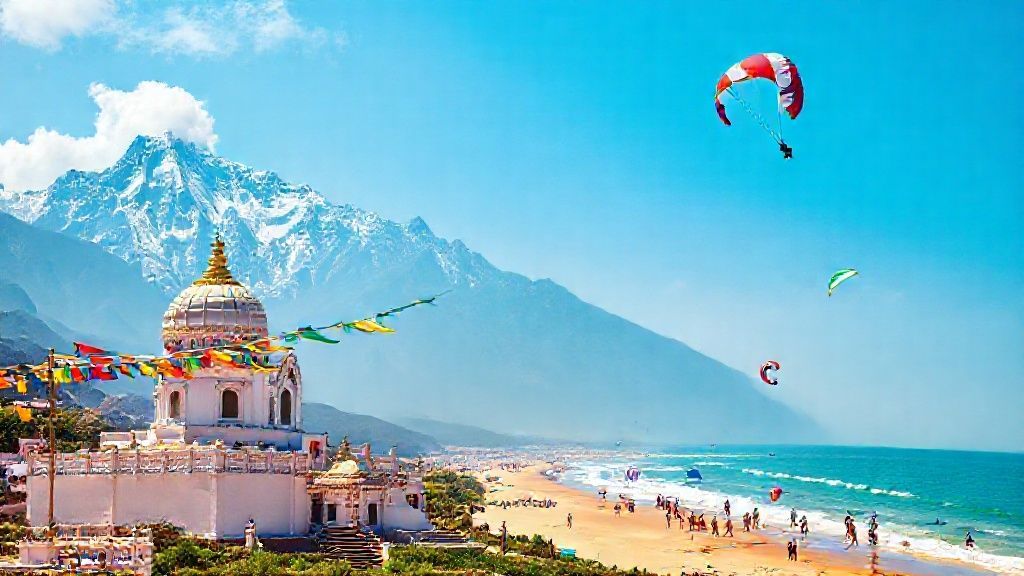
As the mercury drops and the northern winds begin to whisper through the Himalayan peaks, India transforms into a winter wonderland unlike any other. From the snow-capped mountains of the north to the balmy beaches of the south, the subcontinent offers an incredible diversity of winter experiences that cater to every type of traveler. Whether you’re seeking adventure in the snow, cultural immersion in historic cities, or simply a warm escape from colder climates, India’s winter destinations provide the perfect backdrop for unforgettable memories.
Winter in India typically spans from November to February, with December and January being the coldest months. This season brings clear skies, pleasant temperatures in most regions, and ideal conditions for exploring everything from ancient temples to wildlife sanctuaries. The monsoon rains have retreated, leaving behind lush green landscapes and crisp, clean air that makes photography and outdoor activities particularly enjoyable.
What makes India truly special during winter is the variety of experiences available within a single country. You can wake up to frost-covered pine trees in the morning and find yourself walking along a sun-drenched beach by evening. This geographical diversity, combined with rich cultural heritage and warm hospitality, makes India one of the world’s most compelling winter destinations.
Himalayan Snow Paradises: Where Winter Dreams Come True
Manali: The Queen of Hill Stations
Nestled in the Kullu Valley of Himachal Pradesh, Manali transforms into a magical winter destination when snow blankets its pine forests and apple orchards. The town becomes a hub for adventure enthusiasts and romantic travelers alike, offering everything from skiing and snowboarding to cozy evenings by the fireplace in traditional wooden cottages. The Rohtang Pass, though sometimes closed due to heavy snowfall, offers breathtaking views of snow-covered peaks when accessible.
Winter activities in Manali extend beyond snow sports. You can visit the ancient Hadimba Temple surrounded by snow-dusted deodar trees, explore the Solang Valley for paragliding opportunities with snowy backdrops, or simply enjoy the local cuisine in cafes that offer stunning mountain views. The nearby villages of Old Manali and Vashisht provide quieter alternatives with natural hot springs perfect for warming up on chilly days.

Gulmarg: India’s Premier Ski Destination
Located in the heart of Kashmir, Gulmarg boasts some of the best skiing conditions in Asia. The Gulmarg Gondola, one of the highest cable cars in the world, transports visitors to altitudes where pristine powder snow creates perfect conditions for both beginners and expert skiers. The winter months see the meadow (which gives Gulmarg its name) transform into a white carpet, with the surrounding pine forests creating picture-perfect winter scenes.
Beyond skiing, Gulmarg offers snowboarding, snowshoeing, and heli-skiing for the truly adventurous. The frozen Alpather Lake and the historic St. Mary’s Church add cultural and natural interest to this winter wonderland. Local guides can arrange snowmobile tours or traditional sledge rides, providing unique ways to experience the winter landscape.

Auli: The Hidden Gem of Uttarakhand
Often called India’s answer to the European Alps, Auli in Uttarakhand offers spectacular skiing conditions with fewer crowds than more famous destinations. The 4-kilometer long ski slope, one of the longest in Asia, provides consistent snow cover from December to March. What makes Auli particularly special is its panoramic view of some of India’s highest peaks, including Nanda Devi, Kamet, and Mana Parvat.
The Auli Artificial Lake, created specifically for snow-making, ensures reliable skiing conditions throughout the season. Beyond the slopes, visitors can take the cable car ride to Gorson Bugyal for stunning views, visit the ancient Joshimath town nearby, or simply enjoy the serene beauty of snow-covered oak and conifer forests. The annual Winter Games held here attract athletes from across the country, adding to the vibrant winter atmosphere.

Cultural Winter Havens: History Meets Pleasant Weather
Jaipur: The Pink City in Perfect Weather
Winter transforms Rajasthan’s capital into an ideal destination for exploring its magnificent forts, palaces, and vibrant markets. The pleasant daytime temperatures (typically 15-22°C) make walking through the historic streets comfortable, while cool evenings create perfect conditions for sound and light shows at Amer Fort or cultural performances at traditional havelis. The reduced heat compared to summer months means you can explore outdoor attractions like the Jal Mahal and Nahargarh Fort without discomfort.
The winter months also coincide with several cultural festivals and events in Jaipur. The Jaipur Literature Festival, usually held in January, attracts literary enthusiasts from around the world. The cooler weather makes shopping in Johari Bazaar and Bapu Bazaar more enjoyable, and traditional Rajasthani cuisine tastes even better when enjoyed in the crisp winter air. Don’t miss the opportunity to take a hot air balloon ride over the city for a unique perspective of its pink-hued architecture against the clear winter sky.
Varanasi: Spiritual Serenity Along the Ganges
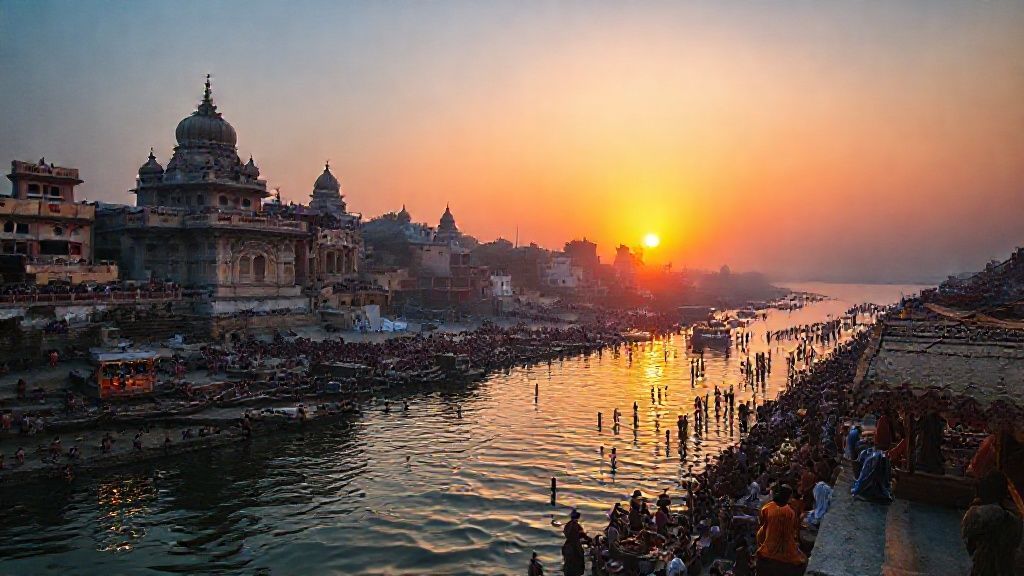
Winter brings a special kind of magic to India’s spiritual capital. The early morning fog over the Ganges creates ethereal scenes during sunrise boat rides, while the pleasant daytime temperatures make exploring the narrow lanes and ancient ghats much more comfortable than during the scorching summer months. The winter light seems to soften the ancient city’s edges, creating perfect conditions for photography and contemplation.
The cooler weather means you can attend the famous Ganga Aarti ceremonies without battling summer heat, and walking tours of the city’s temples and historical sites become genuinely enjoyable. Winter also sees several important festivals in Varanasi, including Dev Deepawali, when the ghats are illuminated with thousands of earthen lamps. The crisp air seems to carry the sounds of temple bells and chanting further, enhancing the city’s spiritual atmosphere.
Kerala: Tropical Warmth When North India Shivers
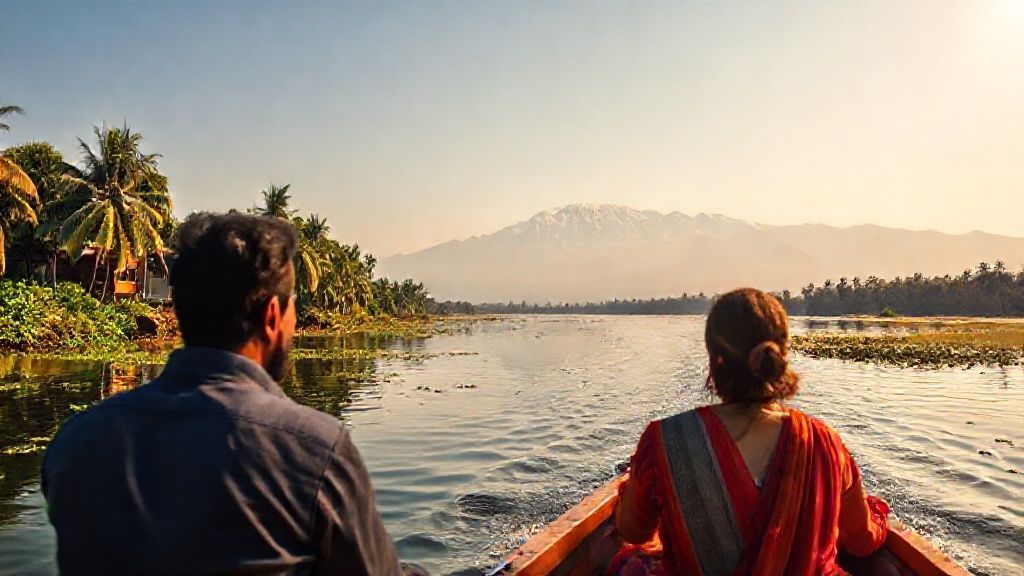
While northern India bundles up against the cold, Kerala enjoys its most pleasant weather of the year. The monsoon has ended, leaving behind lush green landscapes, flowing waterfalls, and comfortable temperatures perfect for exploring. The backwaters take on a special charm in winter, with clear skies making houseboat journeys particularly delightful. The reduced humidity compared to other seasons makes outdoor activities and wildlife spotting in places like Periyar National Park much more enjoyable.
Winter is also festival season in Kerala, with the famous Thrissur Pooram and various temple festivals taking place. The beaches of Kovalam and Varkala offer warm sands and comfortable swimming conditions, while the hill stations of Munnar and Wayanad provide cooler mountain air without the extreme cold of northern hill stations. Ayurvedic treatments feel particularly rejuvenating in the pleasant winter climate, making this an ideal time for wellness retreats.
Beach Escapes: Where Winter Means Perfect Beach Weather

Goa: Sun, Sand, and Festive Cheer
Goa’s peak season coincides perfectly with winter, when the weather is dry, sunny, and absolutely perfect for beach activities. The temperatures hover around a comfortable 25-30°C, with low humidity and clear skies creating ideal conditions for everything from sunbathing to water sports. The Arabian Sea remains warm enough for swimming, while the beaches are at their cleanest and most inviting after the monsoon rains have washed them clean.
Winter in Goa isn’t just about beaches—it’s also festival season. Christmas and New Year celebrations transform the state into a party destination, while the weeks leading up to these holidays offer a more relaxed atmosphere perfect for exploring Portuguese-era churches, spice plantations, and wildlife sanctuaries. The famous Goa Carnival usually takes place in February, adding colorful parades and cultural events to the winter calendar. Whether you prefer the bustling beaches of North Goa or the quieter shores of the south, winter provides the perfect conditions to enjoy them all.
Andaman Islands: Tropical Paradise Perfected
The Andaman and Nicobar Islands offer perhaps India’s most perfect winter beach weather. With temperatures consistently around 23-30°C, minimal rainfall, and calm seas, winter is the ideal time to explore these tropical islands. The clear waters provide excellent visibility for snorkeling and scuba diving, particularly around Havelock Island and Neil Island where coral reefs and marine life are most accessible.
Beyond water activities, winter makes exploring the islands’ historical sites—like the Cellular Jail in Port Blair—more comfortable. The pleasant weather is perfect for island-hopping tours, beach camping, and watching spectacular sunsets at Radhanagar Beach (often ranked among Asia’s best beaches). The reduced humidity compared to other seasons makes hiking through tropical forests to reach hidden beaches or viewpoints much more enjoyable.
Wildlife Winter Wonders: When Animals Are Most Visible
Winter transforms India’s national parks and wildlife sanctuaries into prime viewing destinations. As water sources diminish and vegetation thins, animals become more visible and tend to congregate around remaining water holes. The cooler temperatures also mean animals are more active during daylight hours, increasing your chances of sightings.
Ranthambore National Park in Rajasthan becomes particularly rewarding in winter, with tigers more easily spotted against the dry landscape. The reduced foliage improves visibility, and the comfortable temperatures make safari drives pleasant rather than exhausting. Similarly, Kanha and Bandhavgarh National Parks in Madhya Pradesh offer excellent tiger viewing conditions, while the winter light creates beautiful photographic opportunities.
In the northeast, Kaziranga National Park in Assam sees its grasslands dry out, making rhino and elephant spotting easier. The Brahmaputra River’s water levels recede, creating sandbanks where animals gather. Winter is also the best time for birdwatching across India, as migratory birds from colder regions arrive, adding to the diversity of species visible in wetlands and sanctuaries nationwide.
Practical Tips for Planning Your Indian Winter Getaway
Best Time to Visit Different Regions
Understanding regional variations is key to planning your perfect Indian winter escape. For Himalayan destinations like Manali, Gulmarg, and Auli, December through February offers the best snow conditions, though some passes may close due to heavy snowfall. For cultural destinations in North India like Jaipur, Varanasi, and Delhi, November through February provides pleasant daytime temperatures and cool evenings perfect for exploration.
Southern destinations like Kerala, Goa, and Tamil Nadu are best visited from November through March, when humidity is low and rainfall minimal. The Andaman Islands are perfect from November to April, with February often considered the ideal month for water activities. Wildlife destinations are generally best from November to April, with January and February offering optimal viewing conditions in most parks.
What to Pack for Diverse Winter Conditions
Packing for an Indian winter requires preparation for multiple climates. For Himalayan destinations, bring thermal layers, waterproof jackets, gloves, hats, and proper snow boots. For cultural destinations in the plains, layered clothing works best—light sweaters or jackets for evenings, with comfortable daytime wear. Don’t forget comfortable walking shoes for exploring cities and historical sites.
For beach destinations, pack your usual beachwear plus light cover-ups for evenings. Sun protection remains important even in winter, especially in southern regions. A universal adapter, basic medications, copies of important documents, and a good camera are essential regardless of your destination. Consider the activities you plan—ski equipment can usually be rented, but you might want your own gloves and goggles.
Booking Strategies for Winter Travel
Winter is peak tourist season across much of India, so advance planning is crucial. For popular destinations like Goa, Jaipur, and Kerala hill stations, book accommodations at least 2-3 months in advance, especially for travel around Christmas and New Year. Flights to destinations like Leh and Srinagar may have limited winter schedules, so check availability early.
Consider traveling during shoulder seasons (late November or February) for better deals and fewer crowds. Many destinations offer special winter packages that include activities like skiing, wildlife safaris, or cultural tours. Check cancellation policies carefully, especially for mountain destinations where weather can disrupt travel plans. For the latest travel advisories and destination information, check official tourism websites like Incredible India.
Creating Your Perfect Winter Memory in India
India’s winter destinations offer something truly special for every traveler—whether you’re seeking adventure in snow-covered mountains, cultural immersion in ancient cities, relaxation on tropical beaches, or wildlife encounters in national parks. The diversity of experiences available within a single country is remarkable, allowing you to create a customized winter getaway that matches your interests and travel style perfectly.
The key to a successful Indian winter escape lies in understanding regional variations and planning accordingly. From the snow sports enthusiast heading to Gulmarg to the culture seeker exploring Varanasi’s ghats, from the beach lover soaking up Goa’s sun to the wildlife enthusiast tracking tigers in Ranthambore—each traveler will find their perfect winter experience in India. The pleasant weather, clear skies, and festive atmosphere that characterize India’s winter months create ideal conditions for creating memories that will last a lifetime.
As you plan your cold-weather getaway, remember that India’s true magic lies not just in its destinations but in the journeys between them—the unexpected encounters, the stunning landscapes unfolding outside your window, and the warmth of hospitality that makes even the chilliest winter day feel welcoming. Whether this is your first visit or your fiftieth, India in winter always has new wonders to discover and new experiences to cherish.