

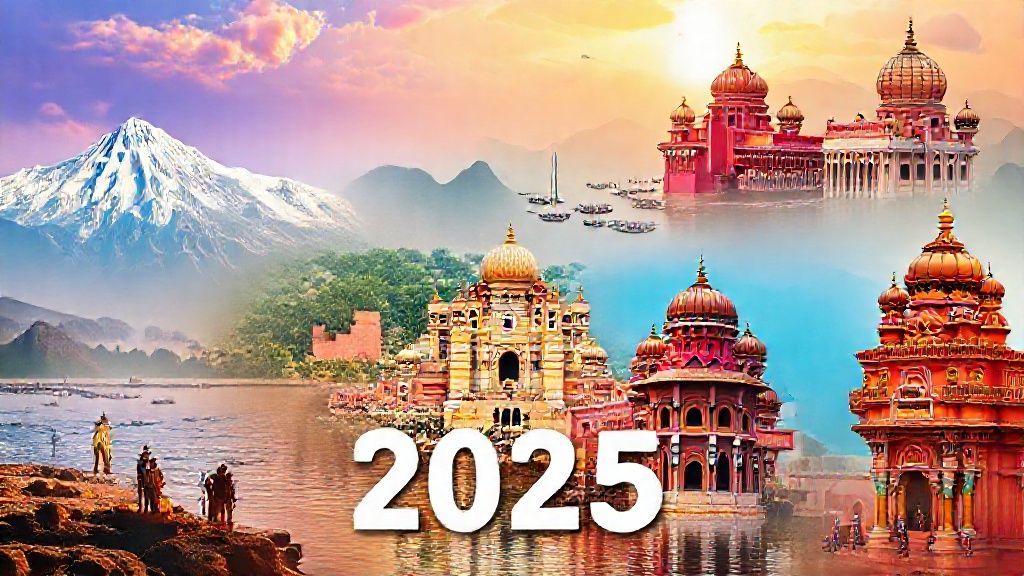
The Travel Revolution: Why 2025 is India’s Year of Exploration
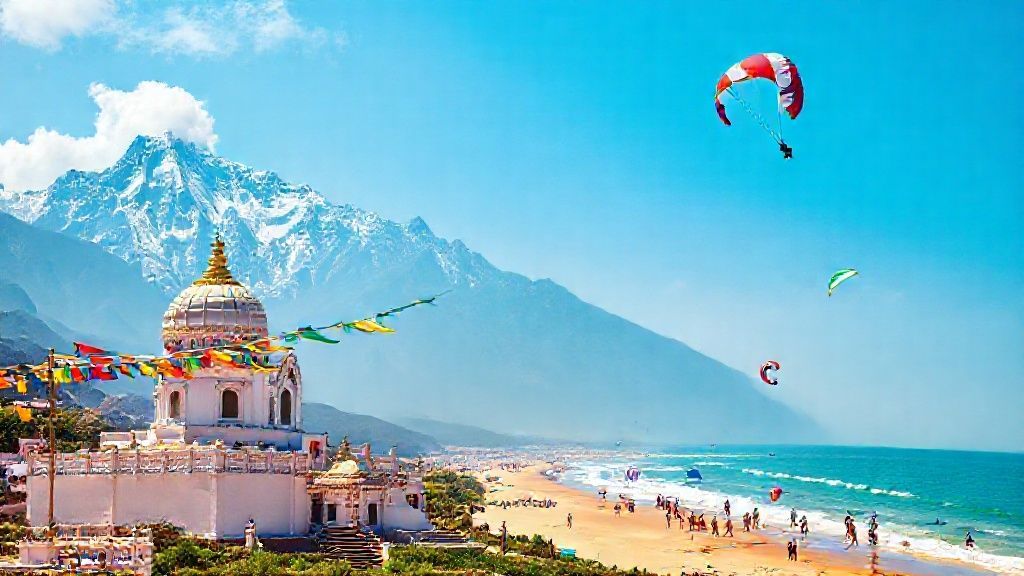
As we approach 2025, a remarkable transformation is sweeping across India’s travel landscape. After years of pandemic-induced restrictions and cautious planning, Indian travelers are embracing wanderlust with renewed enthusiasm and purpose. The search trends tell a compelling story—Indians aren’t just looking for vacations; they’re seeking transformative experiences, cultural immersion, and meaningful connections with their own country’s diverse beauty. From the snow-capped peaks of the Himalayas to the sun-kissed beaches of the south, from ancient spiritual centers to vibrant urban hubs, the destinations capturing Indian travelers’ attention reveal a nation rediscovering itself.
What makes 2025 particularly special is the convergence of several factors: improved infrastructure making remote destinations more accessible, a growing appreciation for sustainable tourism, and a post-pandemic shift toward experiential travel over material consumption. Indian travelers today are more informed, more adventurous, and more conscious about their impact on local communities and environments. They’re not just following trends—they’re creating them, seeking out destinations that offer authenticity, wellness, and opportunities for personal growth alongside traditional sightseeing.
Northern Escapes: Himalayan Havens and Cultural Capitals

The majestic Himalayas continue to dominate Indian travel searches, but with interesting new twists that reflect evolving preferences. While classic destinations remain popular, travelers are seeking deeper, more immersive experiences that go beyond surface-level tourism.
Manali: Beyond the Honeymoon Destination

Manali has transformed from a honeymoon hotspot to a year-round adventure hub. Search data reveals growing interest in off-season visits, with travelers discovering the region’s spring blossoms and autumn colors as compelling alternatives to crowded summer months. The Solang Valley is no longer just for skiing—it’s becoming a center for paragliding, zorbing, and mountain biking. What’s particularly interesting is the surge in searches for “Manali homestays” and “local Himachali cuisine experiences,” indicating a desire for authentic cultural immersion rather than just hotel stays.
Nearby, the ancient village of Old Manali is experiencing a renaissance, with travelers seeking its bohemian cafes, artisanal shops, and slower pace of life. The region’s apple orchards are becoming experiential destinations themselves, with orchard stays and cider-making workshops gaining popularity. This shift toward experiential tourism represents a broader trend across India’s hill stations—travelers want to participate, not just observe.
Jaipur: The Pink City’s Modern Renaissance
Jaipur’s appeal in 2025 extends far beyond its UNESCO World Heritage status. While the Amber Fort and Hawa Mahal continue to draw crowds, search trends show growing interest in Jaipur’s contemporary art scene, sustainable fashion boutiques, and farm-to-table dining experiences. The city is positioning itself as a hub for creative tourism, with workshops in block printing, gemstone cutting, and miniature painting attracting culturally curious travelers.
What’s particularly noteworthy is the rise in searches for “Jaipur heritage walks” and “royal experiences” that offer behind-the-scenes access to palaces and interactions with descendants of the royal family. The city’s luxury hospitality sector is innovating with palace hotels offering curated experiences like private elephant interactions, traditional Rajasthani cooking classes with royal chefs, and stargazing sessions in palace courtyards. According to recent tourism data, Jaipur has seen a 40% increase in searches for experiential packages compared to standard tours.
Southern Serenity: Backwaters, Beaches, and Ayurvedic Wellness
South India’s timeless appeal is getting a contemporary makeover, with travelers seeking both traditional experiences and modern comforts. The region’s natural beauty, combined with its rich cultural heritage and wellness traditions, makes it particularly appealing to post-pandemic travelers seeking restoration and meaning.
Kerala: The Complete Wellness Destination
Kerala’s popularity in 2025 searches reflects a growing global interest in holistic wellness, but with distinct Indian preferences. While Ayurvedic retreats continue to attract international visitors, Indian travelers are showing increased interest in integrated wellness experiences that combine traditional Ayurveda with yoga, meditation, and nature therapy. Searches for “Kerala monsoon tourism” have surged by 65% year-over-year, indicating a shift toward embracing all seasons rather than avoiding the rains.
The backwaters are evolving beyond houseboat tourism, with searches increasing for “kayaking in Kerala backwaters,” “village cycling tours,” and “responsible tourism initiatives.” What’s particularly exciting is the growth in searches for “Kerala farm stays” and “agritourism experiences,” where travelers can participate in organic farming, learn traditional cooking methods, and engage with local communities. This aligns with a broader trend toward sustainable and community-based tourism that benefits local economies directly.
Goa: Beyond Sun, Sand, and Parties
Goa’s transformation is perhaps the most dramatic among India’s trending destinations. While its beaches remain popular, search data reveals a significant shift toward experiential and wellness-oriented travel. Searches for “Goa yoga retreats” have increased by 120% since 2023, while “Goa digital detox” and “silent retreats” show similar growth. The state is attracting travelers seeking mindfulness and personal development alongside traditional beach relaxation.
North Goa’s alternative communities are drawing travelers interested in sustainable living, with searches for “Goa eco-villages” and “permaculture farms” showing remarkable growth. Meanwhile, South Goa is positioning itself as a luxury wellness destination, with high-end resorts offering integrated wellness programs that combine Ayurveda, naturopathy, and modern fitness regimes. The food scene is also evolving, with searches for “Goa farm-to-table restaurants” and “traditional Goan home dining experiences” indicating a desire for authentic culinary encounters.
Spiritual Journeys: Ancient Wisdom in Modern Times

India’s spiritual destinations are experiencing a renaissance, but with contemporary travelers seeking more than traditional pilgrimage experiences. The search trends reveal a fascinating blend of ancient traditions and modern wellness approaches.
Varanasi: The Eternal City’s New Appeal
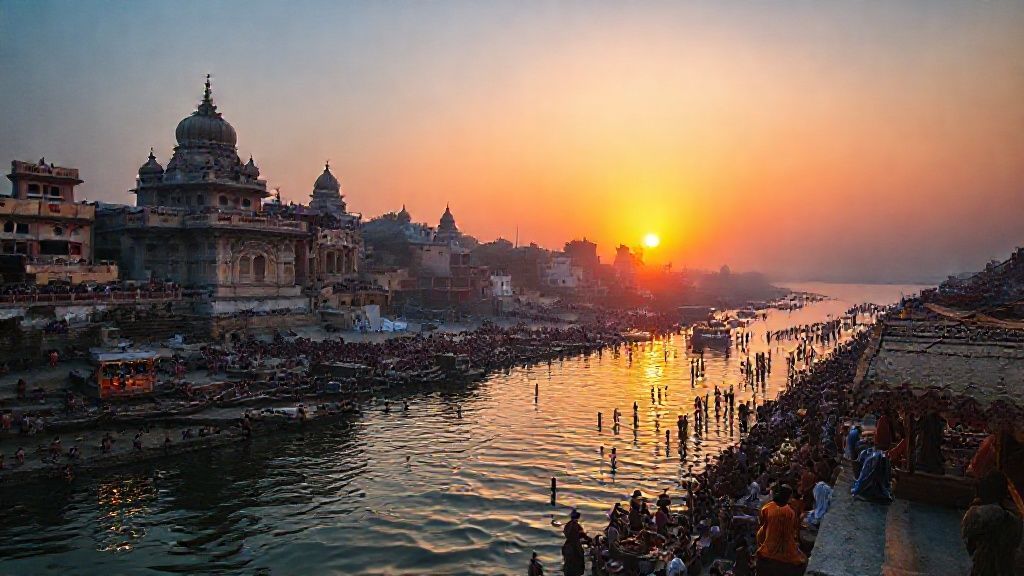
Varanasi remains one of India’s most searched spiritual destinations, but the nature of those searches has evolved dramatically. While the Ganga Aarti and temple visits remain popular, there’s growing interest in “Varanasi yoga teacher training,” “meditation retreats,” and “philosophy workshops.” The city is attracting spiritual seekers from across India who want to deepen their practice in an authentic setting.
What’s particularly interesting is the rise in searches for “Varanasi cultural walks” and “textile heritage tours” that explore the city’s living traditions beyond its religious significance. Travelers are showing increased interest in Banarasi silk weaving demonstrations, classical music performances in heritage havelis, and cooking classes focusing on traditional Benarasi cuisine. This represents a shift toward experiential cultural tourism that respects and supports local artisans and traditions.
Best Temples: Architectural Marvels and Living Heritage
The concept of temple tourism is expanding beyond religious devotion to include architectural appreciation, historical study, and cultural immersion. Searches for “temple architecture tours” and “sculpture appreciation workshops” have increased significantly, particularly for South Indian temples known for their Dravidian architecture.
Travelers are showing particular interest in temple towns that offer integrated experiences—places where they can combine temple visits with learning traditional arts, understanding local rituals, and participating in community activities. There’s growing demand for guided experiences that explain the symbolism, mythology, and cultural significance behind temple architecture and rituals, making these ancient sites accessible and meaningful to modern travelers.
Emerging Trends Shaping India’s 2025 Travel Landscape
Beyond specific destinations, several broader trends are shaping how Indians are planning their 2025 travels. Understanding these patterns helps explain why certain places are gaining popularity while others are being rediscovered in new ways.
Sustainable and Responsible Tourism
The most significant trend across all searches is the growing emphasis on sustainability. Travelers are actively seeking eco-friendly accommodations, carbon-neutral travel options, and experiences that support local communities. Searches containing terms like “responsible tourism,” “community-based tourism,” and “eco-friendly stays” have increased by over 200% compared to pre-pandemic levels.
This trend is particularly evident in searches for hill stations and beach destinations, where travelers are showing preference for properties with green certifications, waste management practices, and community engagement programs. There’s also growing interest in voluntourism opportunities that allow travelers to contribute to conservation efforts or community development projects during their stays.
Workation and Digital Nomad Destinations
The remote work revolution has permanently altered India’s travel patterns. Searches for “workation destinations” and “digital nomad friendly” locations have skyrocketed, with hill stations and beach towns leading the way. Destinations that offer reliable internet, co-working spaces, and a balance of work and leisure amenities are particularly popular.
This trend has extended the traditional tourist season in many destinations, with travelers opting for longer stays during off-peak periods. It has also led to the development of new infrastructure, including co-living spaces, high-speed internet initiatives in remote areas, and curated workation packages that include accommodation, workspace, and local experiences.
Experiential and Transformative Travel
Perhaps the most profound shift is from sightseeing to experience-seeking. Travelers are searching for opportunities to learn new skills, engage with local cultures, and undergo personal transformation. This explains the popularity of destinations offering workshops in traditional crafts, culinary classes with local experts, and immersive cultural exchanges.
Wellness tourism has evolved beyond spa treatments to include comprehensive programs addressing mental, physical, and spiritual well-being. Searches for “transformative travel,” “personal growth retreats,” and “skill-based vacations” reflect this deeper engagement with travel as a means of self-discovery and development.
Seasonal Considerations: When to Visit India’s Hottest Destinations
One of the most interesting patterns in 2025 searches is the breakdown of seasonal preferences. Indian travelers are becoming more sophisticated about timing their visits to maximize experiences and avoid crowds.
Snow & Winter Destinations: Beyond Peak Season
While winter remains popular for snow destinations, there’s growing interest in shoulder seasons. Searches for “spring in the Himalayas” and “autumn mountain views” indicate travelers are discovering the beauty of these destinations beyond the snow season. This trend helps distribute tourism more evenly throughout the year and reduces pressure on popular winter destinations.
Winter sports are gaining popularity, with searches for skiing, snowboarding, and ice skating experiences increasing significantly. However, there’s also growing interest in winter wellness experiences, including hot spring visits, winter yoga retreats, and cozy mountain cabin stays focused on relaxation rather than adventure.
Beach Destinations: Year-Round Appeal
Traditional peak seasons for beach destinations are expanding as travelers discover the unique charms of different times of year. Monsoon tourism is gaining popularity, with searches for “rainy season beach holidays” showing remarkable growth. Travelers are attracted to the dramatic landscapes, lower prices, and unique experiences available during the off-season.
There’s also increased interest in water sports and marine activities beyond the traditional beach relaxation. Searches for scuba diving, snorkeling, surfing lessons, and marine conservation experiences reflect a more active and engaged approach to beach tourism.
Practical Planning: Making Your 2025 Travel Dreams Reality
Based on search trends and emerging patterns, here are practical considerations for planning your 2025 travels to India’s hottest destinations:
Booking Strategies for Popular Destinations
Early planning is becoming increasingly important, particularly for popular destinations during peak seasons. However, there are opportunities for last-minute travelers willing to explore alternative accommodations or visit during shoulder seasons. Consider:
- Booking at least 3-4 months in advance for peak season travel
- Exploring homestays and boutique properties for authentic experiences
- Considering week-long stays rather than weekend trips for better rates and deeper immersion
- Looking for package deals that combine accommodation, experiences, and local transportation
Budget Considerations and Value Optimization
Travelers are becoming more value-conscious, seeking experiences that offer maximum return on investment rather than simply looking for the lowest prices. Strategies include:
- Traveling during shoulder seasons for better rates and fewer crowds
- Choosing destinations with good public transportation to reduce costs
- Opting for experiences that include meals or cooking facilities
- Considering longer stays in fewer destinations rather than rushed multi-city itineraries
Health and Safety Considerations
Post-pandemic, health and safety remain important considerations in travel planning. Travelers are showing preference for:
- Destinations with good healthcare infrastructure
- Accommodations with clear hygiene protocols
- Experiences that allow for social distancing when desired
- Travel insurance that covers health emergencies
The Future of Indian Travel: What 2025 Tells Us About Tomorrow
The search trends for 2025 reveal not just where Indians want to travel, but how they want to travel. The emphasis on sustainability, authenticity, and personal growth suggests a maturing travel market that values quality over quantity, experiences over possessions, and connection over consumption.
Destinations that successfully balance preservation with innovation, tradition with modernity, and local needs with visitor expectations will likely continue to gain popularity. The rise of secondary cities and lesser-known regions in search trends indicates a spreading of tourism benefits beyond traditional hotspots.
Perhaps most importantly, the 2025 trends show Indian travelers developing a deeper relationship with their own country. They’re not just visiting places—they’re engaging with cultures, supporting communities, and creating memories that enrich both themselves and the destinations they visit. This represents a positive evolution in India’s travel culture, one that promises more meaningful experiences for travelers and more sustainable benefits for destinations.
As you plan your 2025 travels, consider not just where you want to go, but what kind of traveler you want to be. The destinations Indians are searching for offer opportunities for adventure, relaxation, learning, and transformation. Whether you’re drawn to the mountains, the beaches, the cities, or the spiritual centers, 2025 promises to be a year of remarkable travel experiences across India’s incredible landscape.